








Pendahuluan
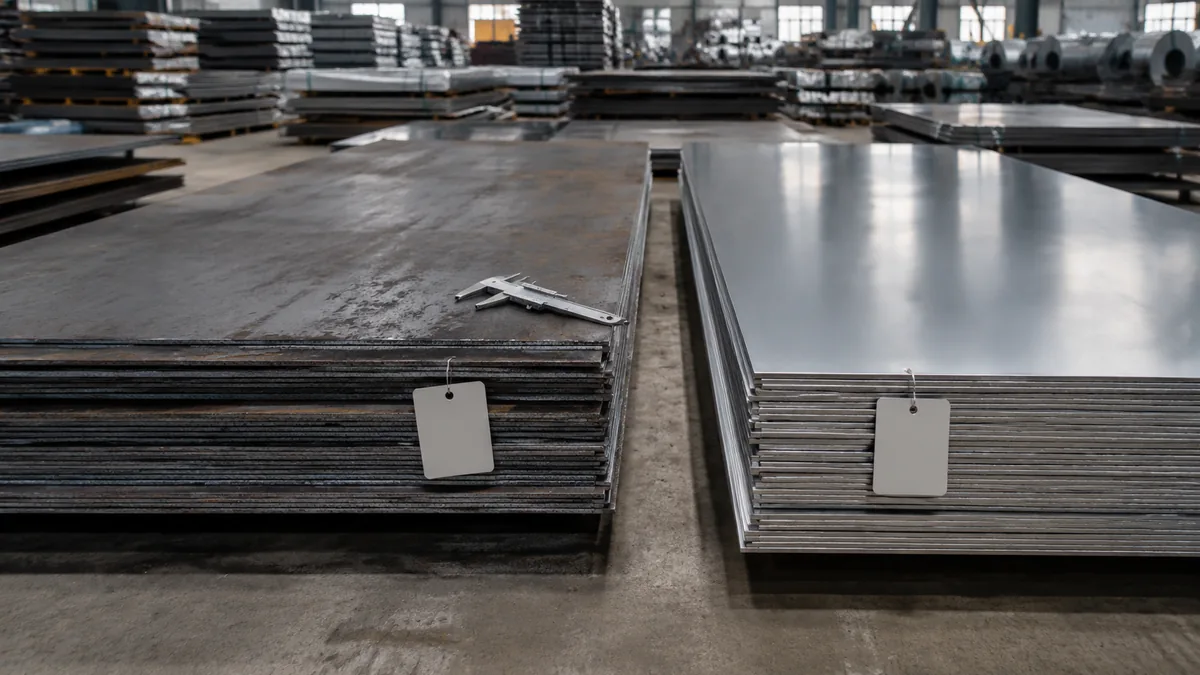
Memilih antara sheet hot rolled dan cold rolled bukan sekadar keputusan harga. Bagi pembeli material untuk laser cutting, penekukan, pengelasan, dan pengecatan, rute canai mempengaruhi surface finish, kontrol dimensi, springback, pembersihan las, persiapan pelapisan, dan item inspeksi yang harus masuk purchase order.
Sheet hot rolled dipakai saat biaya, ketersediaan, dan kemudahan kerja struktural lebih penting daripada permukaan cerah. Sheet cold rolled dipilih saat komponen butuh finish lebih halus, kontrol dimensi lebih ketat, atau pembentukan lebih terprediksi. Bagi pembeli yang membandingkan produk situs seperti coil baja karbon ST37, sheet cold rolled ST12, atau coil cold rolled SPCE, pilihan teraman bergantung pada toleransi gambar, kebutuhan tampilan permukaan, dan cara komponen difabrikasi setelah tiba.
Panduan ini membandingkan kedua rute dari sudut pandang pengadaan, dengan titik cek praktis sebelum meminta penawaran dan sebelum merilis produksi.
Tabel keputusan cepat: kapan memilih masing-masing sheet
| Titik keputusan pembeli | Sheet hot rolled | Sheet cold rolled |
|---|---|---|
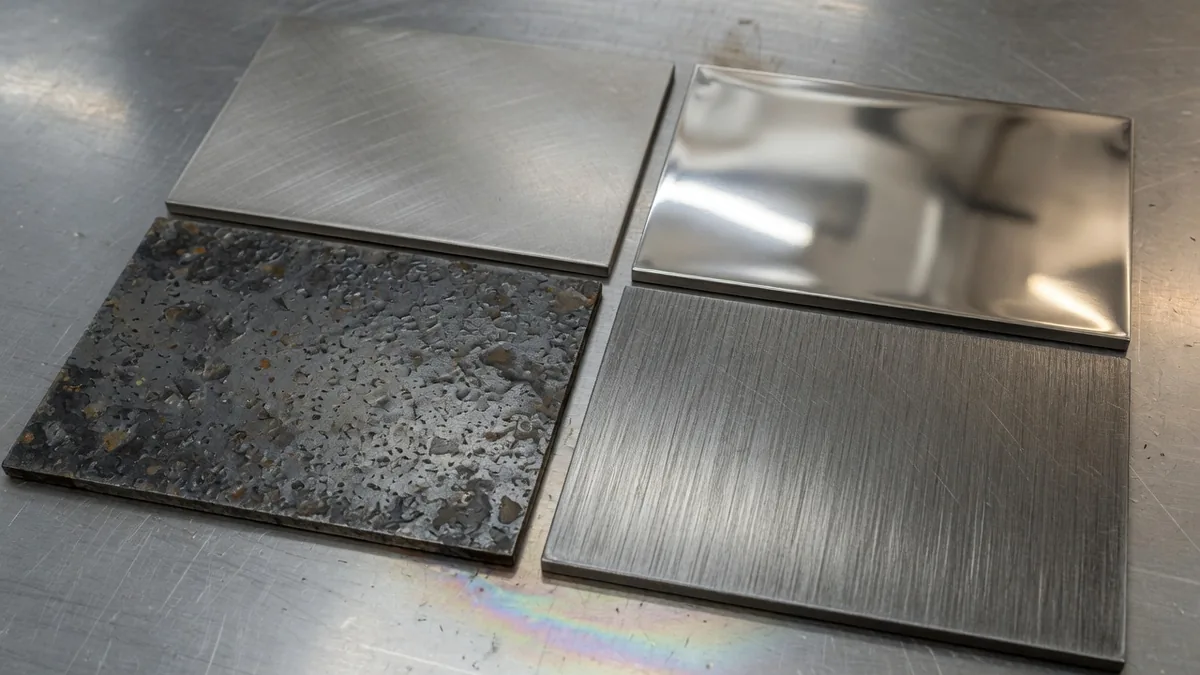
| Permukaan umum | Lebih gelap, lebih kasar, bisa menunjukkan mill scale | Lebih halus, lebih cerah, lebih seragam |
| Kontrol dimensi | Layak saat toleransi tidak terlalu ketat | Lebih baik untuk tebal, kerataan, dan kecocokan komponen ketat |
| Alasan beli umum | Biaya lebih rendah, penggunaan struktural, fabrikasi berat | Komponen terlihat, stamping, peralatan rumah tangga, furnitur, fabrikasi presisi |
| Persiapan permukaan | Mungkin butuh pengetsaan, gerinda, blasting, atau oli sebelum pelapisan | Umumnya lebih mudah dicat atau di-finish setelah pembersihan tepat |
| Perilaku pembentukan | Lebih toleran untuk tekukan dan las umum | Permukaan dan kontrol lebih baik, tetapi cek springback per grade dan temper |
| Risiko RFQ | Lupa mendefinisikan scale, pengetsaan, oli, atau kondisi tepi | Lupa mendefinisikan finish, kekerasan, oli, dan toleransi ketat |
Gunakan tabel ini sebagai saringan awal, bukan spesifikasi final. Toleransi dan properti persis bergantung pada standar, grade, rentang tebal, lebar, kemampuan pabrik, dan bentuk pasokan — coil atau potong panjang.
Apa yang berubah pada proses canai?
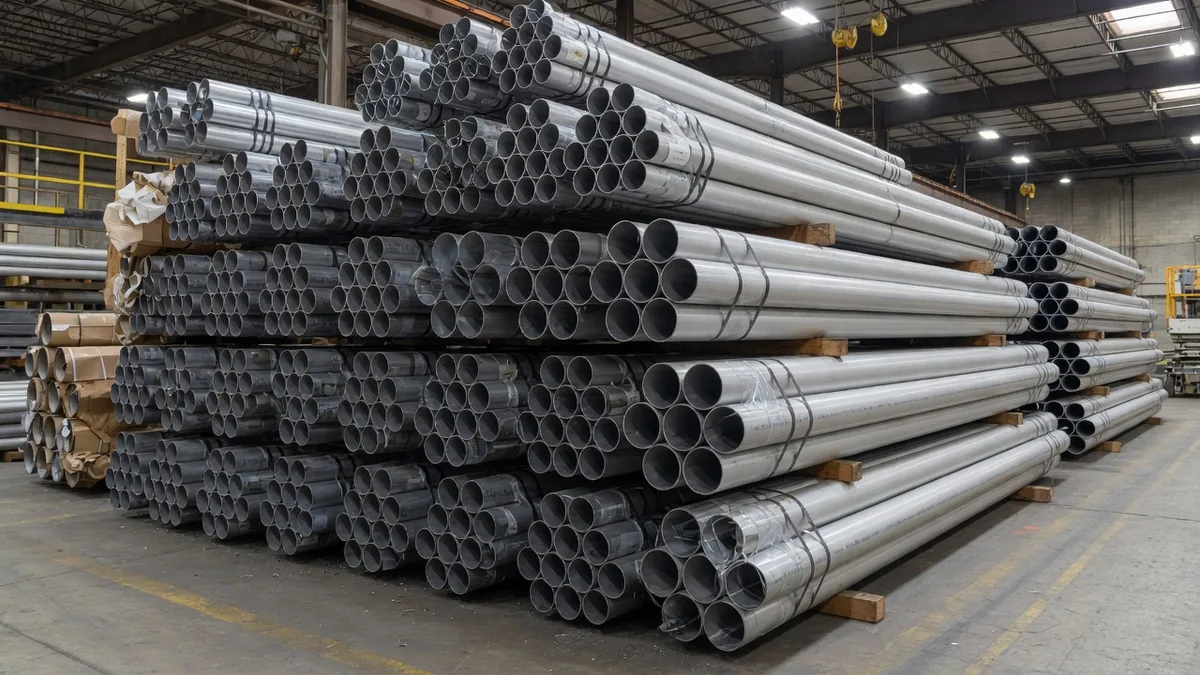
Baja hot rolled dicanai pada suhu tinggi, di atas rentang rekristalisasi, sehingga mudah dibentuk menjadi sheet, pelat, coil, dan profil. Saat mendingin, permukaan teroksidasi dan dimensi bisa berubah. Karena itu sheet hot rolled sering berpermukaan mill scale gelap dengan kontrol dimensi lebih longgar dibanding cold rolled.
Baja cold rolled berangkat dari material hot rolled dan menerima proses tambahan pada suhu ruang atau mendekatinya. Tergantung spesifikasi, bisa ada anil dan temper rolling. Rute ekstra ini memperbaiki penampilan dan konsistensi dimensi, tetapi menambah biaya serta bisa mengubah kekerasan, kekuatan, dan mampu bentuk.
Pelajaran bagi pembeli sederhana: jangan hanya meminta “sheet baja”. Nyatakan apakah butuh hot rolled, hot rolled pickled and oiled, atau cold rolled, lalu hubungkan pilihan itu dengan fungsi komponen.
Surface finish: keputusan fabrikasi pertama
Permukaan biasanya alasan pertama membandingkan kedua sheet.
Sheet hot rolled bisa menunjukkan mill scale, variasi warna, kekasaran, dan bekas proses suhu tinggi. Ini bisa diterima untuk bracket struktural, rangka, pelat dasar, komponen tersembunyi, atau bagian yang akan diblasting dan dicat. Bila komponen langsung masuk laser cutting, las robotik, atau lini cat, tanyakan ketersediaan sheet hot rolled pickled and oiled alih-alih mengasumsikan hot rolled polos akan diterima.
Sheet cold rolled lebih halus dan seragam — titik awal lebih baik untuk panel dicat, komponen peralatan rumah tangga, furnitur, enclosure presisi, dan bagian terlihat atau dibentuk. Namun ia tetap bisa tiba dengan oli pelindung, bekas penanganan, atau ketidaksempurnaan bila kriteria inspeksi tidak didefinisikan. Bila proyek juga menuntut kontrol dokumen, padukan telaah material dengan panduan cara memverifikasi mill test certificate sebelum pengiriman agar standar permukaan dan dokumen dicek bersama.
Sebelum memesan, konfirmasi:
- Kondisi permukaan: mill scale, dietsa dan dioles oli (HRPO), kering, matte, cerah, atau finish lain.
- Penerimaan visual: noda, gores, bekas karat, bur tepi, dan penyok penanganan.
- Penggunaan lanjutan: pengelasan, laser cutting, penekukan, stamping, pengecatan, powder coating, galvanisasi, atau pemolesan.
- Metode packing: perlindungan lembap, kertas antar lembar, desain palet atau skid, dan pelindung tepi.
Toleransi dan kerataan: keunggulan cold rolled
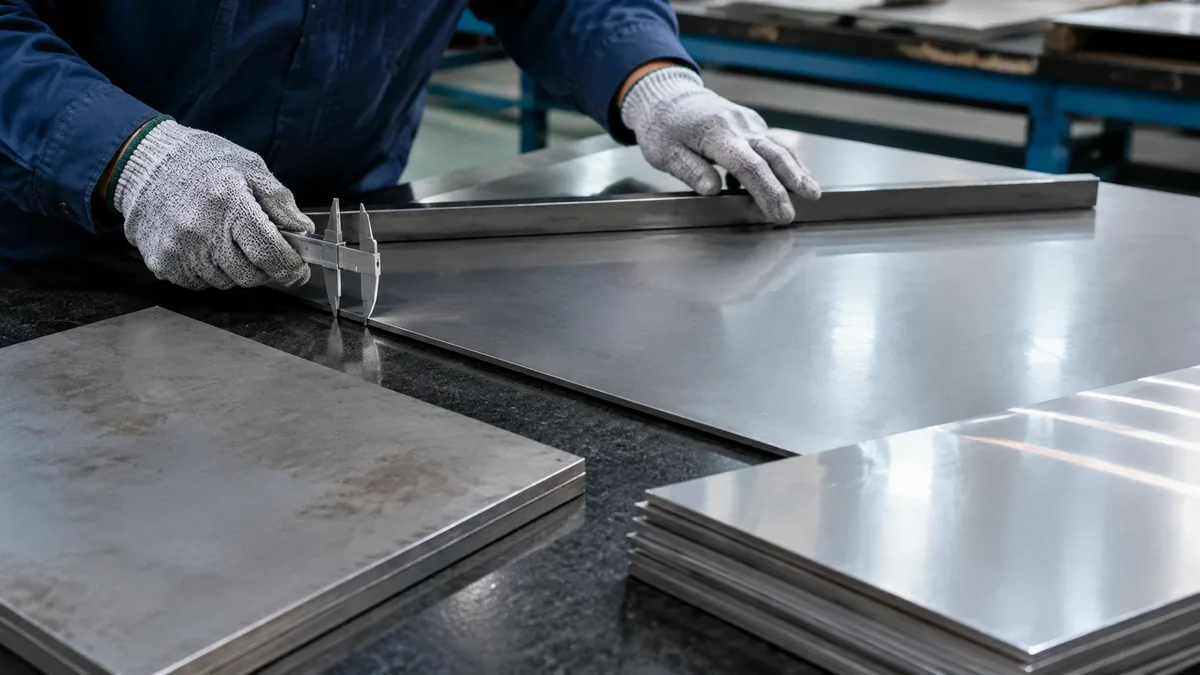
Sheet cold rolled dipilih saat pembeli butuh kontrol dimensi lebih ketat: konsistensi tebal, kerataan, kesikuan, mutu tepi, dan kecocokan komponen berulang setelah potong atau tekuk.
Sheet hot rolled tetap tepat untuk banyak proyek struktural, terutama saat toleransi gambar longgar dan komponen akan dilas, dicat, atau dipakai pada rakitan non-kosmetik. Masalah muncul saat hot rolled dipilih untuk komponen yang sebenarnya butuh presisi cold rolled — dan baru ketahuan saat nesting, penekukan, atau pas rakitan dimulai.
Minta pemasok mengonfirmasi:
- Standar dan grade berlaku, seperti ASTM A1011/A1011M untuk banyak pesanan hot rolled atau ASTM A1008/A1008M untuk banyak pesanan cold rolled.
- Standar persyaratan umum bila relevan, seperti ASTM A568/A568M untuk produk sheet tertentu.
- Toleransi tebal dan lebar untuk rentang yang persis dipesan.
- Persyaratan kerataan untuk sheet potong.
- ID, OD, berat coil, lebar slit, dan kondisi tepi bila memesan coil.
- Apakah nilai uji, cek dimensi, dan heat number akan tercantum pada Mill Test Certificate.
Hindari menulis “toleransi standar” tanpa menamai standar dan rentang ukuran. Frasa itu membuka salah paham antara pembeli, trader, pabrik, dan fabrikator. Bila pesanan bergantung pada garis dasar mutu tertentu, selaraskan RFQ dengan ikhtisar standar mutu sebelum dikirim.
Kecocokan fabrikasi: laser, tekuk, las, dan cat
Material yang tepat bergantung pada cara sheet diproses setelah tiba.
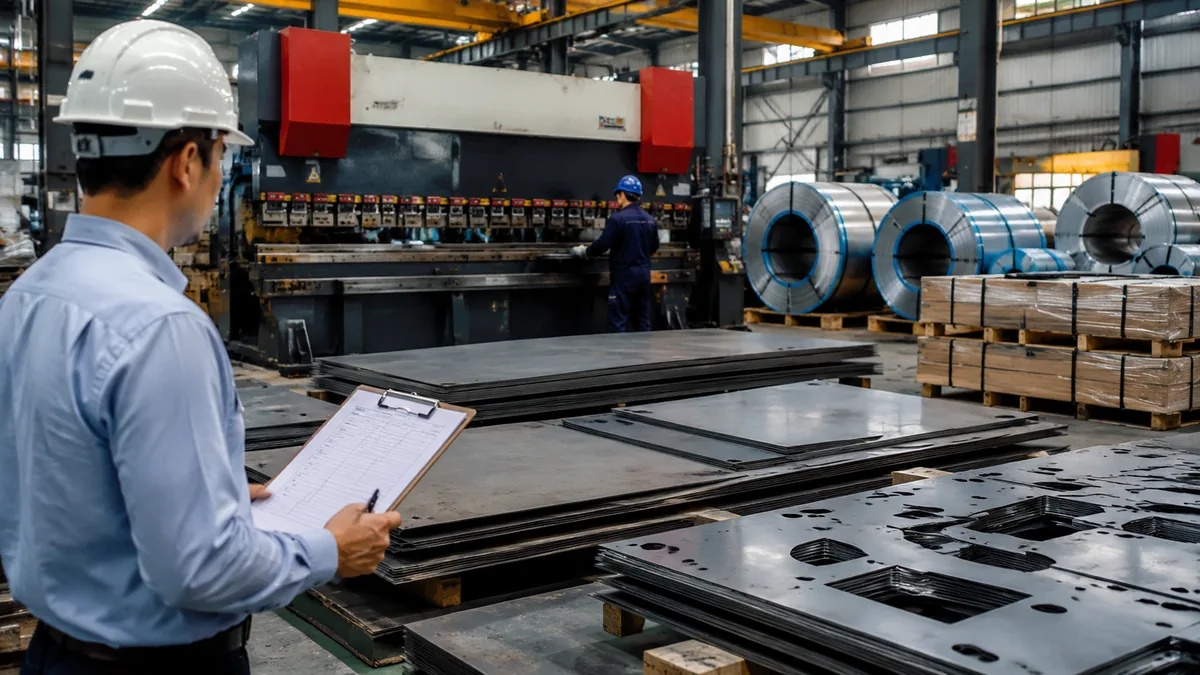
Sheet hot rolled praktis untuk rangka las, pelat struktural, bracket berat, alat pertanian, dudukan mesin, dan komponen dengan penampilan sekunder. Bila scale akan mengganggu las, cat, atau pelapisan, masukkan persyaratan pembersihan atau pengetsaan ke RFQ, jangan serahkan masalahnya ke bengkel setelah tiba.
Sheet cold rolled lebih disukai untuk komponen tipis dibentuk, panel stamping, komponen furnitur, penutup terlihat, bagian peralatan rumah tangga, dan komponen yang butuh permukaan konsisten serta kecocokan lebih ketat. Ia juga lebih mudah masuk alur potong dan pelapisan bila diinginkan permukaan bersih sejak awal. Bila komponen butuh deep drawing atau pembentukan berat, jangan asumsikan semua grade cold rolled cocok: minta konfirmasi grade, temper, perpanjangan, dan kesesuaian pembentukan.
Pertanyaan proses yang praktis biasanya:
- Laser cutting: apakah scale menurunkan mutu potong, memperlambat lini, atau menambah dross dan pembersihan?
- Penekukan: apakah komponen menuntut kontrol sudut ketat atau springback terprediksi lintas batch?
- Pengelasan: apakah scale, oli, atau tegangan sisa menciptakan pembersihan, distorsi, atau risiko kualifikasi yang bisa dihindari?
- Pengecatan: sanggupkah bengkel menambah langkah descaling dan degreasing, atau permukaan awal lebih bersih layak dibayar lebih?
HRPO: opsi tengah yang praktis
Sheet hot rolled pickled and oiled (HRPO) berguna saat pembeli ingin permukaan lebih bersih dari hot rolled biasa tanpa membutuhkan toleransi dan finish penuh cold rolled. Pengetsaan menghapus sebagian besar mill scale, dan oli mengurangi risiko karat selama penyimpanan dan transportasi.
Pertimbangkan HRPO untuk:
- Komponen struktural dicat yang mensyaratkan penghapusan scale.
- Komponen laser cut atau dibentuk yang permukaannya terlalu kasar bila hot rolled biasa.
- Proyek sensitif biaya yang tidak membenarkan cold rolled.
- Pekerjaan fabrikasi yang masih menerima perilaku dimensi hot rolled.
Jangan perlakukan HRPO sebagai pengganti universal cold rolled. Bila gambar menuntut toleransi tebal ketat, keseragaman permukaan tinggi, atau performa pembentukan tertentu, cold rolled tetap dibutuhkan. Tetapi bila masalah pabrik sebenarnya adalah scale yang mengganggu potong, las, atau adhesi primer, HRPO sering menjadi rute pertama untuk ditawar sebelum melompat langsung ke cold rolled.
Checklist RFQ untuk sheet hot rolled atau cold rolled
Gunakan sebelum mengirim RFQ:
| Kolom RFQ | Yang ditulis | Mengapa penting |
|---|---|---|
| Rute produk | Hot rolled, HRPO, atau cold rolled | Mencegah penawaran rute proses yang salah |
| Standar dan grade | ASTM, EN, JIS, GB, atau persyaratan proyek | Mengendalikan kimia, mekanis, dan dokumentasi |
| Ukuran | Tebal, lebar, panjang, atau dimensi coil | Menentukan harga, hasil, packing, dan toleransi |
| Toleransi | Standar yang dinamai plus toleransi proyek | Menghindari sengketa “toleransi standar” yang kabur |
| Permukaan | Mill scale, dietsa dan dioles oli (HRPO), cerah, matte, atau bersih kering | Menghubungkan material ke pelapisan, las, atau bagian terlihat |
| Kondisi tepi | Mill edge, slit edge, trimmed, deburred bila perlu | Mempengaruhi keselamatan, potong, rakit, dan penampilan |
| Kuantitas | Ton, lembar, coil, pesanan uji, atau rencana kontainer | Mempengaruhi MOQ, ongkos, dan rute produksi |
| Dokumen | MTC, ketertelusuran heat, EN 10204 3.1 bila perlu, packing list, invoice, pihak ketiga bila dibutuhkan | Mendukung QC masuk dan penerimaan pelanggan |
| Packing | Kertas kedap air, perlindungan VCI, strap baja, palet atau skid, pelindung tepi | Mengurangi karat, deformasi, dan kerusakan transit |
| Inspeksi | Permukaan, tebal, lebar, kerataan, karat, kemasan, dan foto sebelum kirim | Memberi pemasok standar rilis yang jelas |
Kesalahan umum yang harus dihindari
- Memakai sheet hot rolled untuk komponen terlihat atau berkecocokan ketat karena harga dasar tampak lebih murah, tanpa menghitung descaling, rework, dan fabrikasi lebih lambat.
- Memakai sheet cold rolled untuk komponen las berat tanpa mengecek apakah bengkel lebih suka hot rolled atau HRPO demi pembersihan dan distorsi lebih rendah.
- Menulis “sesuai standar” untuk toleransi, finish, atau tepi dan mengasumsikan pemasok menafsirkan gambar sama dengan pembeli.
- Lupa mendefinisikan apakah komponen menuju laser, press brake, pengelasan, pengecatan, atau powder coating setelah tiba.
- Meninjau hanya penawaran komersial dan melewatkan dokumen material, padahal pelanggan mensyaratkan ketertelusuran grade atau dokumen EN 10204 3.1.
Catatan inspeksi praktis
Sebelum pengiriman, minta foto inspeksi atau inspeksi pihak ketiga bila pesanan kritis. Inspeksi harus sepadan dengan risiko pembelian nyata:
- Konfirmasi rute material cocok dengan pesanan: hot rolled, HRPO, atau cold rolled.
- Cek label, heat number, grade, ukuran, berat, dan nomor coil atau bundel.
- Inspeksi permukaan: karat, bekas air, gores, penyok, scale tebal, dan kondisi oli.
- Ukur tebal dan lebar pada titik sampel yang disepakati.
- Cek kerataan dan kondisi tepi untuk sheet potong.
- Pastikan packing sesuai pelayaran dan penanganan tujuan.
- Bandingkan Mill Test Certificate dengan purchase order sebelum pembayaran akhir atau rilis. Bila pembeli mensyaratkan EN 10204 3.1, nyatakan sebelum produksi dan gunakan panduan packing ekspor baja bila kondisi kemasan bagian dari risiko rilis.
Bila pelanggan Anda menolak cacat kosmetik, definisikan standar visual tertulis. Bila fabrikator menolak kerataan buruk, definisikan toleransinya sebelum produksi. Kebanyakan sengketa dimulai dari persyaratan yang diasumsikan tetapi tidak pernah tertulis. Bila persetujuan pelanggan juga bergantung pada ketertelusuran dokumen, hubungkan paket inspeksi dengan ekspektasi sertifikat mutu dan ketertelusuran Anda.
Kesimpulan
Sheet hot rolled biasanya pilihan ekonomis untuk pekerjaan struktural dan fabrikasi umum. Sheet cold rolled biasanya pilihan lebih aman untuk permukaan halus, toleransi ketat, dan komponen terlihat atau dibentuk presisi. HRPO mengisi jalan tengah saat penghapusan scale penting tetapi presisi cold rolled tidak dibutuhkan.
Untuk penawaran paling andal, kirim ke pemasok gambar atau penggunaan akhir, standar, grade, dimensi, toleransi, kondisi permukaan, kuantitas, kebutuhan packing, dan persyaratan MTC. Saat siap membandingkan opsi hot rolled, HRPO, dan cold rolled terhadap proses fabrikasi nyata Anda, kirim spesifikasi lewat formulir permintaan penawaran agar harga komersial dan telaah teknis berangkat dari asumsi manufaktur yang sama.