








Introduction
Choosing between hot rolled and cold rolled steel sheet is not only a price decision. For buyers sourcing material for laser cutting, bending, welding, and painting, the rolling route affects surface finish, dimensional control, springback, weld cleanup, coating preparation, and the inspection items that must appear in the purchase order.
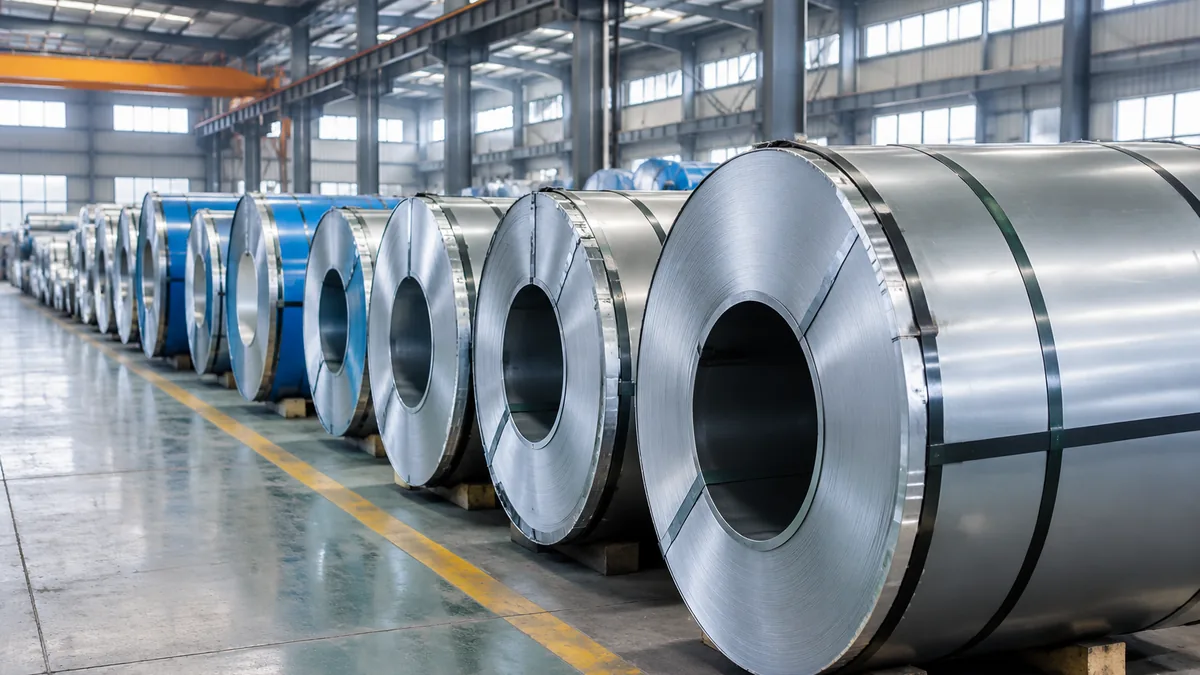
Hot rolled sheet is commonly used when cost, availability, and structural workability matter more than a bright surface. Cold rolled sheet is usually selected when the part needs a smoother finish, tighter dimensional control, or more predictable forming. For buyers comparing common site products such as ST37 carbon steel coil, ST12 cold rolled steel sheet, or SPCE cold rolled steel coil, the safest choice depends on the drawing tolerance, the visible finish requirement, and the way the part will be fabricated after delivery.
This guide compares hot rolled vs cold rolled steel sheet from a sourcing perspective, with practical checkpoints you can use before requesting a quotation and before releasing production.
Quick Decision Table: When To Choose Each Sheet For Fabrication
| Buyer decision point | Hot rolled steel sheet | Cold rolled steel sheet |
|---|---|---|
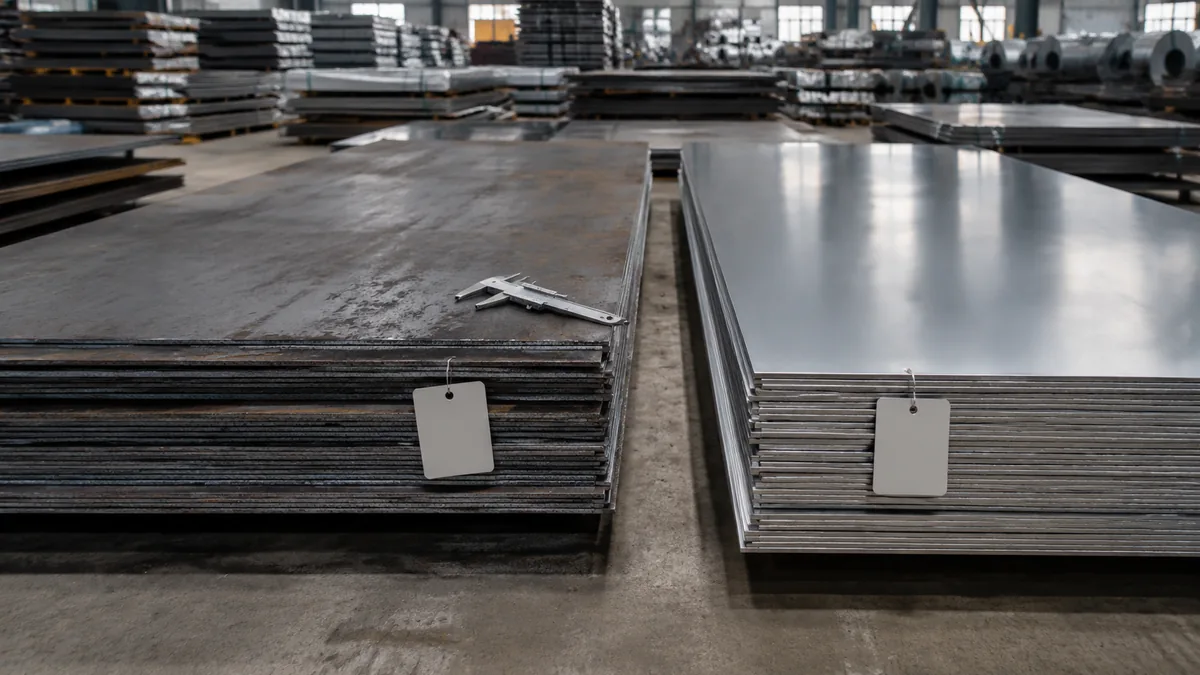
| Typical surface | Darker, rougher, may show mill scale | Smoother, brighter, more uniform |
| Dimensional control | Suitable when tolerances are not very tight | Better for tighter thickness, flatness, and part fit |
| Common buying reason | Lower cost, structural use, heavy fabrication | Visible parts, stamping, appliance, furniture, precision fabrication |
| Surface preparation | May need pickling, grinding, blasting, or oiling before coating | Often easier to paint, coat, or finish after proper cleaning |
| Forming behavior | Often more forgiving for general bending and welding | Better surface and control, but bend allowance and springback should be checked by grade and temper |
| RFQ risk | Buyer forgets to define scale, pickling, oiling, or edge condition | Buyer forgets to define finish, hardness, oil, and tight tolerance requirements |
Use this table as a first filter, not as a final specification. Exact tolerances and mechanical properties depend on the standard, grade, thickness range, width, mill capability, and whether the sheet is supplied in coil or cut length.
What Changes In The Rolling Process?
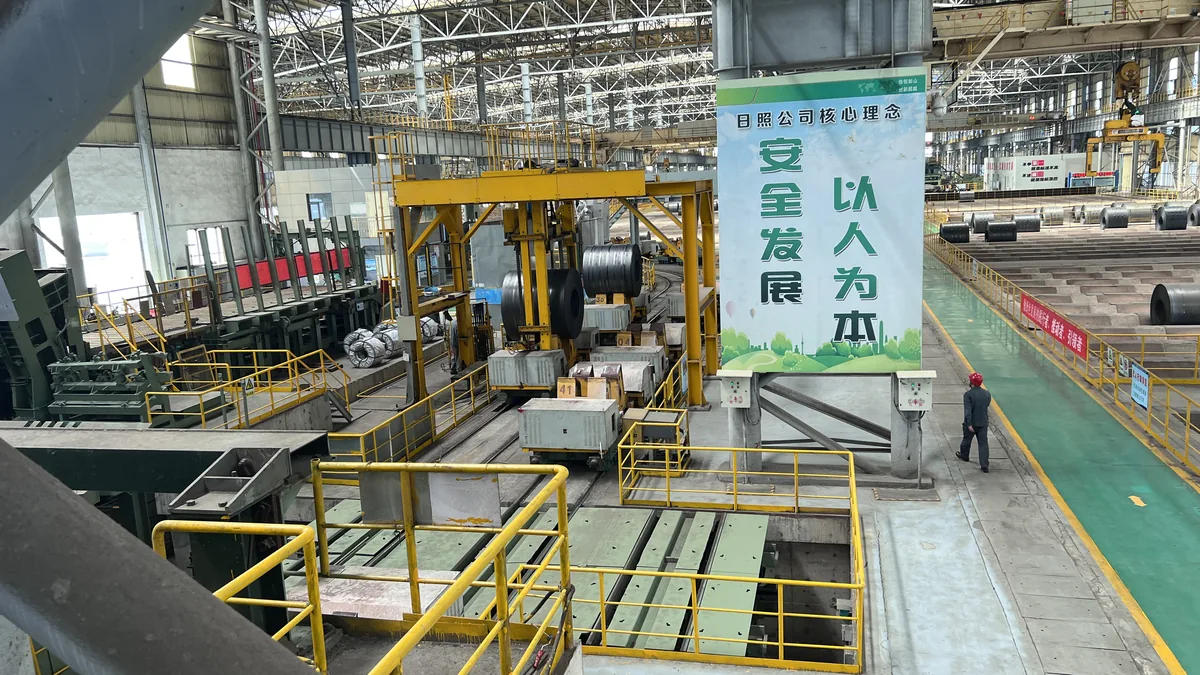
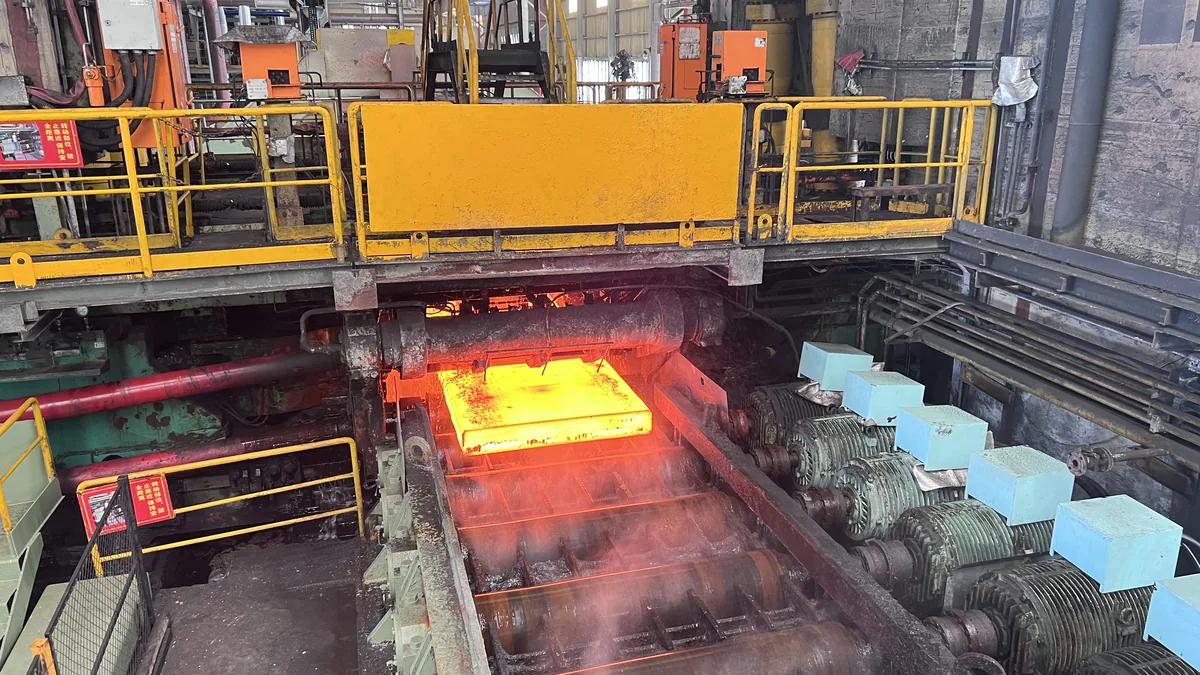
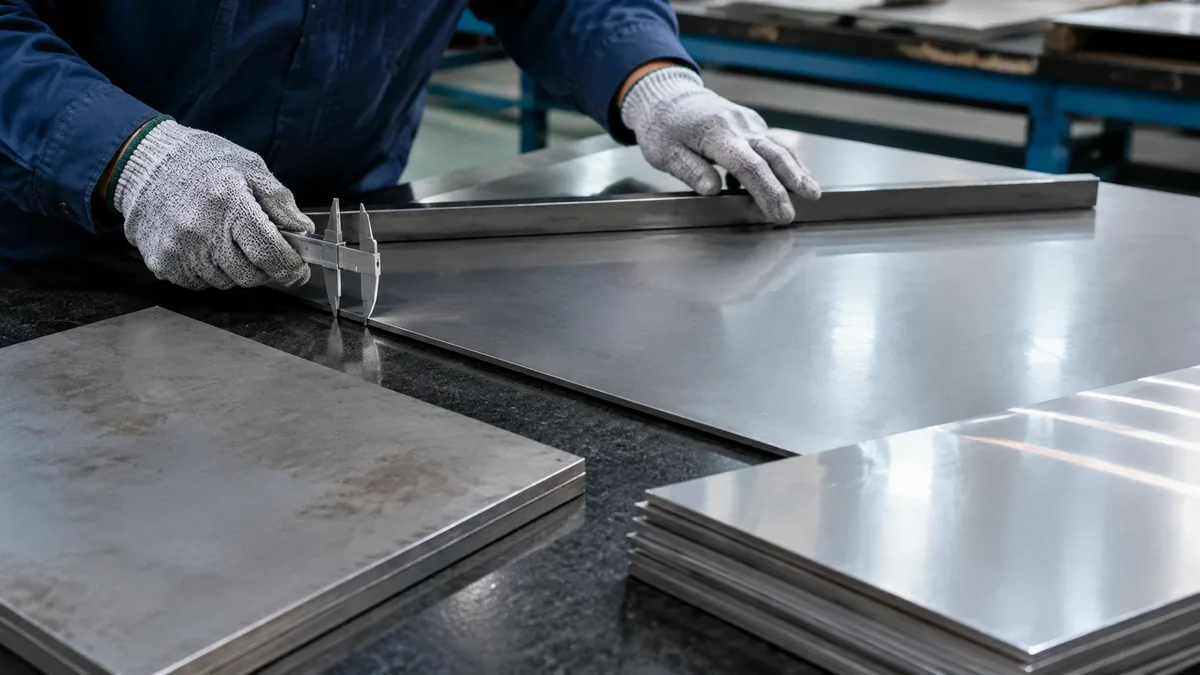
Hot rolled steel is rolled at high temperature, above the recrystallization range, so the material is easier to shape into sheet, plate, coil, and structural forms. As it cools, the surface can oxidize and dimensions may change. That is why hot rolled sheet often has a darker mill-scale surface and looser dimensional control compared with cold rolled sheet.
Cold rolled steel starts from hot rolled material and receives additional processing at or near room temperature. Depending on the specification, it may also involve annealing and temper rolling. This extra route improves surface appearance and dimensional consistency, but it normally adds cost and may change hardness, strength, and formability.
For buyers, the key lesson is simple: do not only ask for “steel sheet.” State whether you need hot rolled, hot rolled pickled and oiled, or cold rolled, then connect that choice to the part function.
Surface Finish: The First Fabrication Decision
Surface is usually the first reason buyers compare hot rolled and cold rolled sheet.
Hot rolled sheet can show mill scale, color variation, roughness, and surface marks from high-temperature processing. This may be acceptable for structural brackets, frames, base plates, hidden parts, or components that will be blasted and painted later. If the part will go directly into laser cutting, robotic welding, or a paint line, ask whether hot rolled pickled and oiled sheet is available instead of assuming plain hot rolled will be acceptable.
Cold rolled sheet is smoother and more uniform. It is usually a better starting point for painted panels, appliance parts, furniture parts, precision enclosures, and other visible or formed components. However, cold rolled sheet can still arrive with protective oil, handling marks, or surface imperfections if inspection criteria are not defined. If your project also requires document control, pair the material review with the site guide on how to verify a steel mill test certificate before shipment so the surface standard and the paperwork are checked together.
Before placing an order, confirm these points:
- Surface condition: mill scale, pickled and oiled, oiled, dry, matte, bright, or other finish.
- Visual acceptance: stains, scratches, rust marks, edge burrs, and handling dents.
- Downstream use: welding, laser cutting, bending, stamping, painting, powder coating, galvanizing, or polishing.
- Packing method: moisture protection, interleaving, pallet or skid design, and edge protection.
Tolerance And Flatness: Where Cold Rolled Often Wins
Cold rolled sheet is usually selected when the buyer needs tighter dimensional control. This can include thickness consistency, flatness, squareness, edge quality, and repeatable part fit after cutting or bending.
Hot rolled sheet may still be the right choice for many structural projects, especially where the drawing tolerance is broad and the part will be welded, painted, or used in non-cosmetic assemblies. The problem appears when a buyer chooses hot rolled material for a part that actually requires cold rolled precision, then discovers the issue only after nesting, bending, or assembly fitting starts.
Ask your supplier to confirm:
- Applicable standard and grade, such as ASTM A1011/A1011M for many hot rolled sheet orders or ASTM A1008/A1008M for many cold rolled sheet orders.
- General requirement standard where relevant, such as ASTM A568/A568M for certain sheet products.
- Thickness tolerance and width tolerance for the exact ordered range.
- Flatness requirement for cut sheets.
- Coil ID, coil OD, coil weight, slit width, and edge condition if ordering coil.
- Whether test values, dimensional checks, and heat numbers will appear on the Mill Test Certificate.
Avoid writing “standard tolerance” without naming the standard and ordered size range. That phrase creates room for misunderstanding between buyer, trader, mill, and fabricator. If the order depends on a specific quality baseline, it can also help to align your RFQ with the site’s quality standards overview before sending it to the supplier.
Fabrication Fit: Laser Cutting, Bending, Welding, And Painting
The right material depends on how the sheet will be processed after delivery.
Hot rolled sheet is often practical for welded frames, structural plates, heavy brackets, agricultural equipment, machinery bases, and parts where surface appearance is secondary. If scale will interfere with welding, painting, or coating, include cleaning or pickling requirements in the RFQ instead of leaving the fabrication shop to solve that problem after arrival.
Cold rolled sheet is often preferred for thin-gauge formed parts, stamped panels, furniture components, visible covers, appliance parts, and components that need consistent surface and tighter part fit. It is also easier to place into cutting and coating workflows when the buyer wants a cleaner surface from the start. If the part needs deep drawing or severe forming, do not assume every cold rolled grade will work. Ask the supplier to confirm the grade, temper, elongation, and forming suitability.
For fabrication buyers, the practical process questions are usually these:
- Laser cutting: Will surface scale reduce cut quality, slow the line, or increase dross and cleanup?
- Bending: Does the part require tight angle control or predictable springback across the production batch?
- Welding: Will scale, oil, or residual stress create avoidable cleanup, distortion, or qualification risk?
- Painting: Can the shop accept extra descaling and degreasing steps, or is a cleaner starting surface worth the higher material cost?
HRPO: A Practical Middle Option
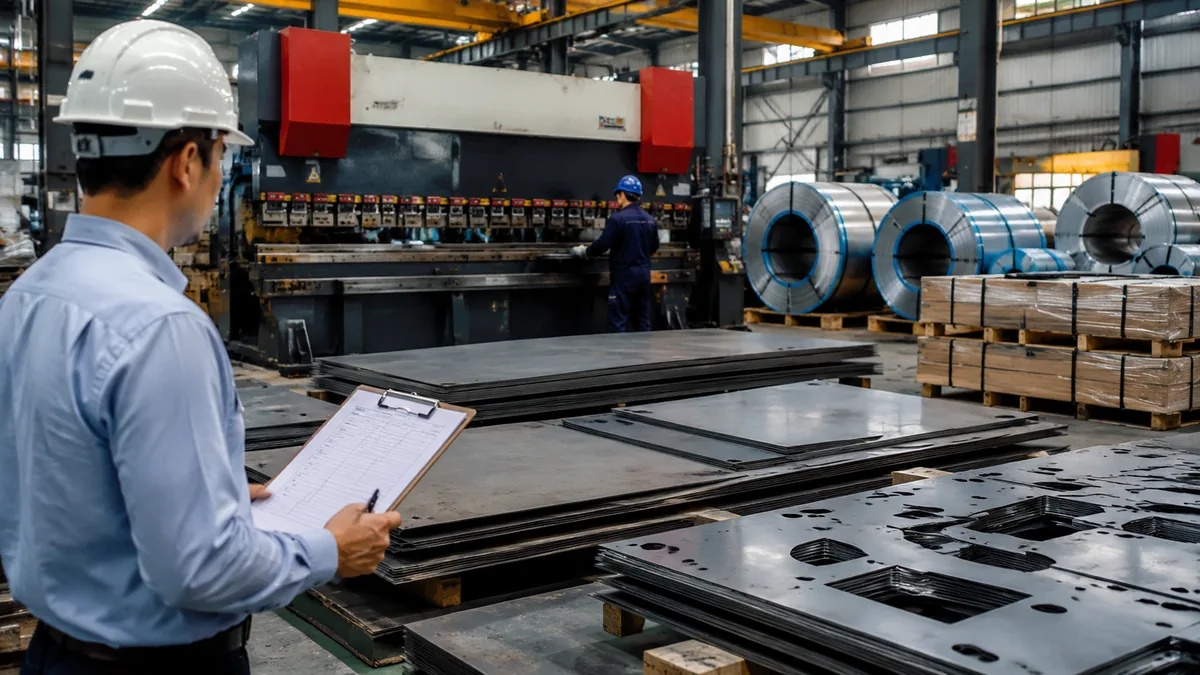
Hot rolled pickled and oiled sheet, often called HRPO, can be useful when buyers want a cleaner surface than regular hot rolled sheet but do not need full cold rolled tolerance or finish. Pickling removes much of the mill scale, and oil helps reduce rust risk during storage and transport.
HRPO can be considered for:
- Painted structural parts where scale removal is required.
- Laser-cut or formed components where regular hot rolled surface is too rough.
- Cost-sensitive projects that do not justify cold rolled sheet.
- Fabrication jobs where the buyer still accepts hot rolled dimensional behavior.
Do not treat HRPO as a universal replacement for cold rolled sheet. If the drawing requires tight thickness tolerance, high surface uniformity, or specific forming performance, cold rolled may still be necessary. But if the real factory problem is scale interfering with cutting, welding, or primer adhesion, HRPO is often the first route buyers should price before jumping straight from plain hot rolled to cold rolled.
RFQ Checklist For Hot Rolled Or Cold Rolled Steel Sheet
Use this checklist before sending an RFQ to a supplier:
| RFQ field | What to write | Why it matters |
|---|---|---|
| Product route | Hot rolled, HRPO, or cold rolled | Prevents quoting the wrong process route |
| Standard and grade | ASTM, EN, JIS, GB, or project-specific requirement | Controls chemistry, mechanical properties, and documentation |
| Size | Thickness, width, length, or coil dimensions | Drives price, yield, packing, and tolerance |
| Tolerance | Named standard plus any project tolerance | Avoids vague “standard tolerance” disputes |
| Surface | Mill scale, pickled and oiled, oiled, bright, matte, or clean dry surface | Connects material to coating, welding, or visible part needs |
| Edge condition | Mill edge, slit edge, trimmed edge, deburred if required | Affects safety, cutting, assembly, and appearance |
| Quantity | Metric tons, sheets, coils, trial order, or container plan | Affects MOQ, freight, and production route |
| Documents | MTC, heat number traceability, EN 10204 3.1 if required, packing list, commercial invoice, third-party inspection if needed | Supports incoming QC and customer acceptance |
| Packing | Waterproof paper, VCI protection, steel strapping, pallet or skid, edge protection | Reduces rust, deformation, and transit damage |
| Inspection | Surface, thickness, width, flatness, rust, packaging, and photo records before shipment | Gives the supplier a clear release standard |
Common Buyer Mistakes To Avoid
- Using hot rolled sheet for visible or tight-fit parts because the base price looked lower, without pricing descaling, rework, and slower fabrication.
- Using cold rolled sheet for a heavy welded part without checking whether the fabrication shop prefers hot rolled or HRPO for lower cleanup and lower distortion risk.
- Writing “as per standard” for tolerance, finish, or edge condition and assuming the supplier will interpret the drawing the same way the buyer does.
- Forgetting to define whether the part goes to laser cutting, press braking, welding, painting, or powder coating after arrival.
- Reviewing only the commercial offer and skipping the material documents, even when the customer requires grade traceability or EN 10204 3.1 paperwork.
Practical Inspection Notes
Before shipment, ask for inspection photos or a third-party inspection when the order is critical. The inspection should match the real buying risk:
- Confirm the material route matches the order: hot rolled, HRPO, or cold rolled.
- Check the label, heat number, grade, size, weight, and coil or bundle number.
- Inspect surface for rust, water marks, scratches, dents, heavy scale, and oil condition.
- Measure thickness and width at agreed sampling points.
- Check flatness and edge condition for cut sheets.
- Confirm packing is suitable for ocean freight and destination handling.
- Compare the Mill Test Certificate against the purchase order before final payment or shipment release. If the buyer requires EN 10204 3.1, state that document requirement before production and use the site’s steel export packing guide when packing condition is part of the release risk.
If your customer will reject cosmetic defects, define the visual standard in writing. If your fabricator will reject poor flatness, define flatness tolerance before production. Most disputes begin when the buyer assumes a requirement that was never written into the order. Where customer approval depends on document traceability as well as material condition, link the inspection package back to your quality certificates and traceability expectations.
Conclusion
Hot rolled steel sheet is usually the economical choice for structural and general fabrication work. Cold rolled steel sheet is usually the safer choice for smooth surface, tighter tolerance, and visible or precision-formed parts. HRPO can fill the middle ground when scale removal matters but cold rolled precision is not required.
For the most reliable quotation, send your supplier the drawing or end-use, standard, grade, dimensions, tolerance, surface condition, quantity, packing requirement, and MTC requirement. When you are ready to compare hot rolled, HRPO, and cold rolled options against your real fabrication process, send the specification through request a quote so commercial pricing and technical review start from the same manufacturing assumptions.