






Product Comparison 約 1 分鐘閱讀

2205 vs 316L Stainless Steel: Buyer Guide for Duplex Selection

Compare 2205 duplex and 316L austenitic stainless for chloride service, strength, welding notes, MTC checks, and RFQ details.

2205 vs 316L Stainless Steel: Buyer Guide for Duplex Selection cover image
本文目錄

Introduction

Buyers comparing 2205 duplex and 316L austenitic stainless usually face a corrosion-plus-fabrication tradeoff. 316L is the common molybdenum-bearing austenitic grade for chloride and chemical service. 2205 adds higher strength and, in many duties, better resistance to chloride stress corrosion cracking—but only when welding and design are duplex-aware.

When buyers choose 316L

316L is practical for process equipment, sanitary lines, and general chloride exposure when the design already assumes austenitic fabrication practices. It is widely available in plate, coil, and pipe forms with ASTM A240 / A312 class practice.

When buyers choose 2205

Specify 2205 when the project needs higher allowable stress, better chloride SCC margin, or a duplex specification on the drawing. Confirm PREN-related chemistry on the MTC and align welding heat-input limits with the fabricator before locking the PO.

RFQ checklist

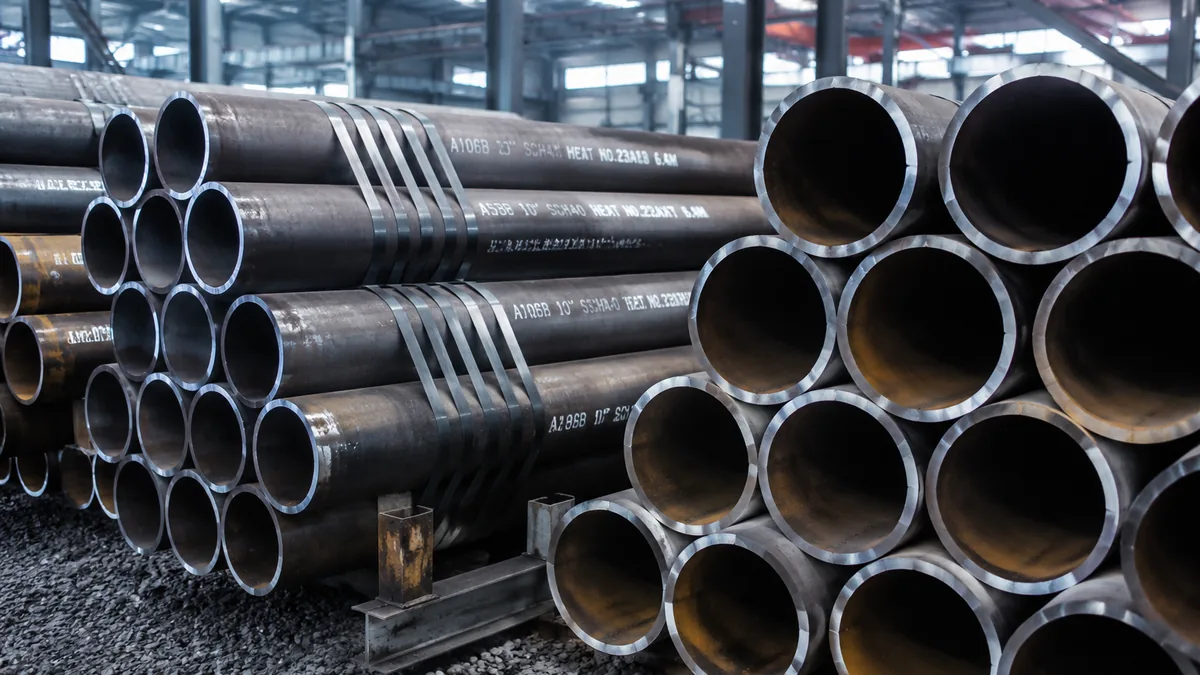
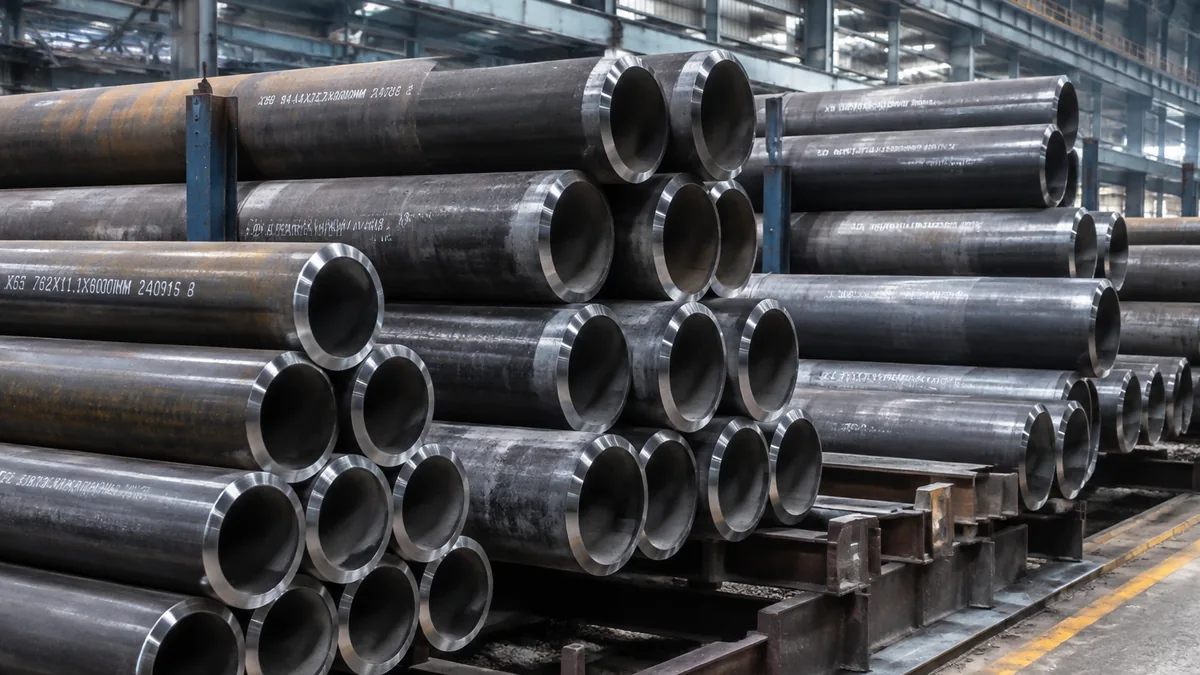
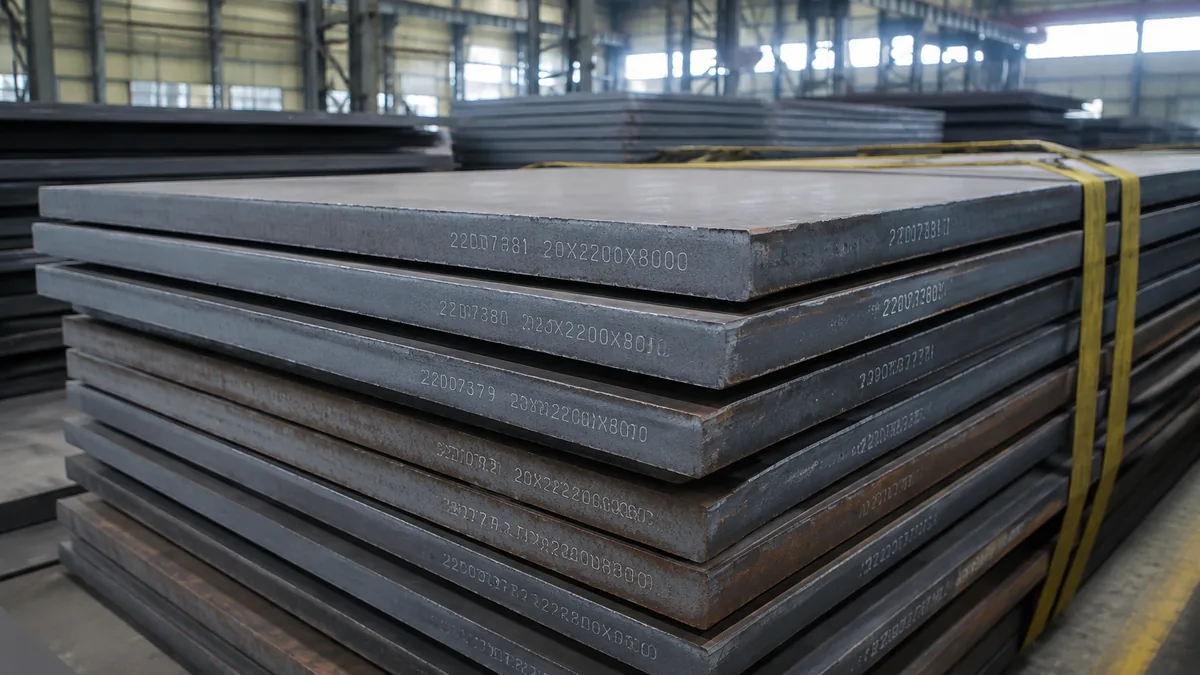
  • Grade and standard (2205 / UNS class practice vs 316L / ASTM A240 or A312)
  • Product form and size
  • Welding and NDT expectations
  • EN 10204 3.1 heat-lot documents
  • Packing and destination port

常見問題

Is 2205 always better than 316L for chloride service?

Not always. 2205 often offers higher strength and better chloride SCC resistance, but it needs duplex-aware welding. Choose based on design code and fabrication capability.

What should an RFQ include for 2205 plate or pipe?

Grade/standard, form, size, welding procedure expectations, quantity, destination port, packing, and EN 10204 3.1 MTC with chemistry.

繼續採購

相關分類與產品

從技術解讀回到可詢價的規格頁,或直接帶上下文發起詢盤。

快速詢盤與項目報價通道

留下規格與要求,工作時間內 2 小時回覆,非工作時間將於次日回覆。支持項目/整櫃報價協同。

僅姓名、郵箱、產品為必填,現在即可發送。