






مقدمة
يقارن المشترون بين 2205 المزدوج و316L الأوستنيتي عندما يتعين موازنة التآكل مع قابلية التصنيع. 316L هو الدرجة الأوستنيتية المحتوية على الموليبدينوم والأكثر شيوعاً لخدمة الكلوريدات والبيئات الكيميائية. يضيف 2205 قوة أعلى وهوامش أفضل غالباً ضد تشقق التآكل الإجهادي بالكلوريدات، لكن ذلك يتطلب لحاماً وتصميماً يراعيان خصائص الفولاذ المزدوج.
متى يختار المشترون 316L؟
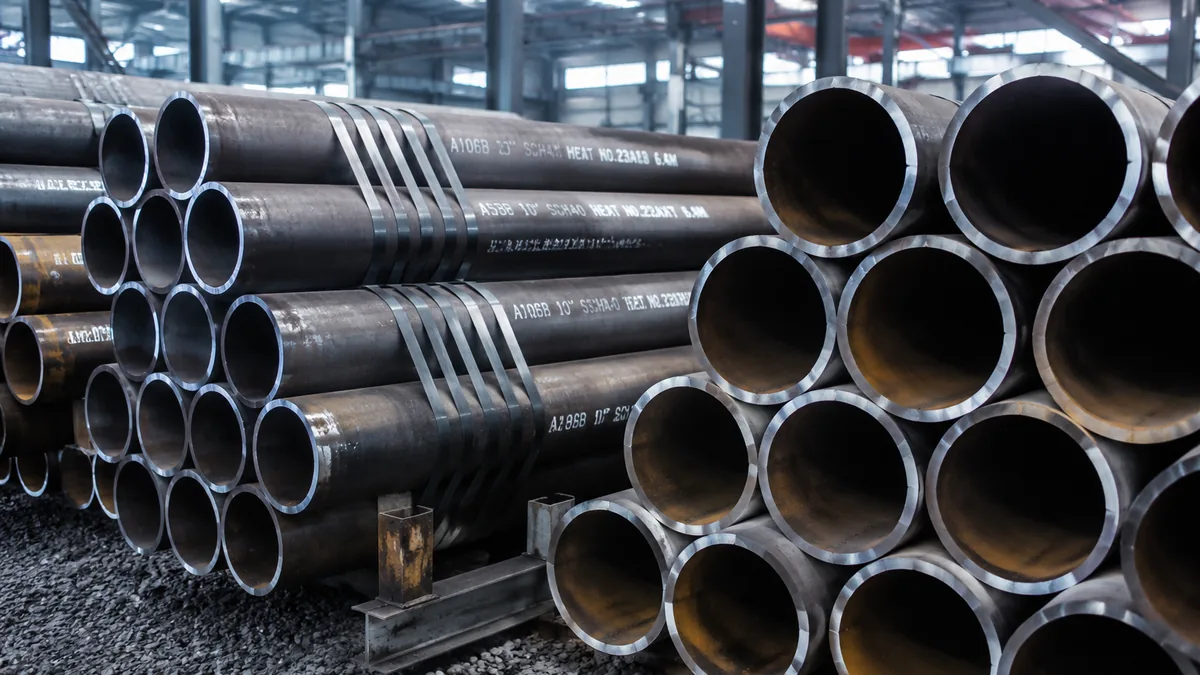
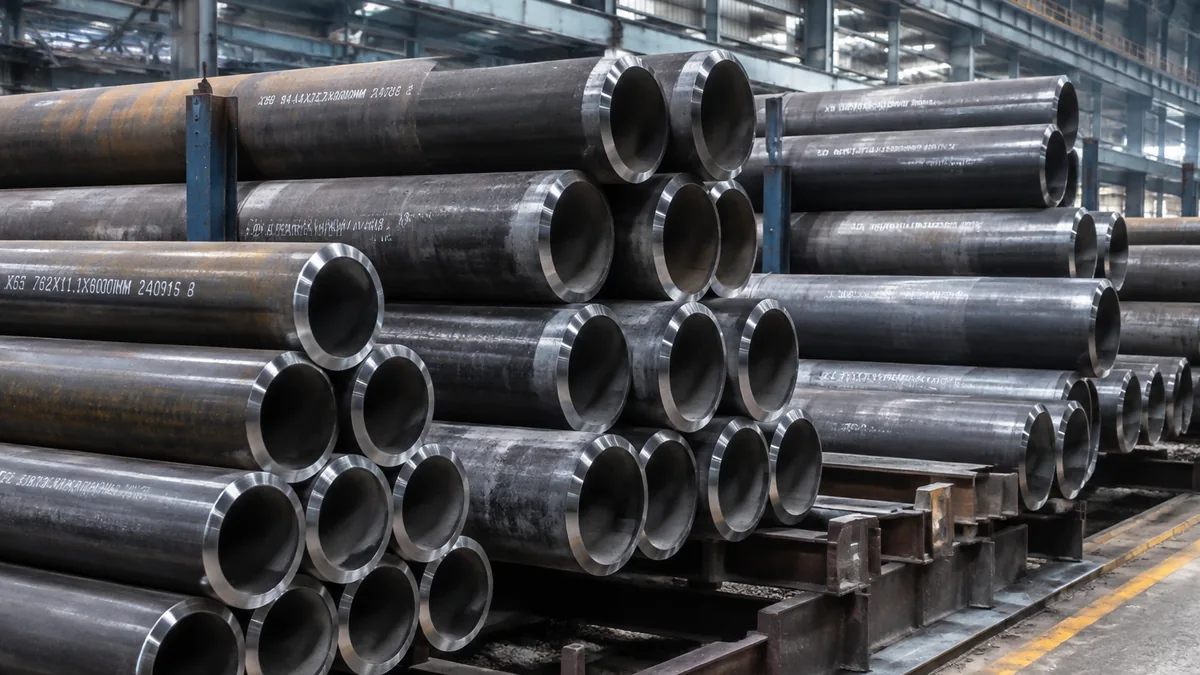
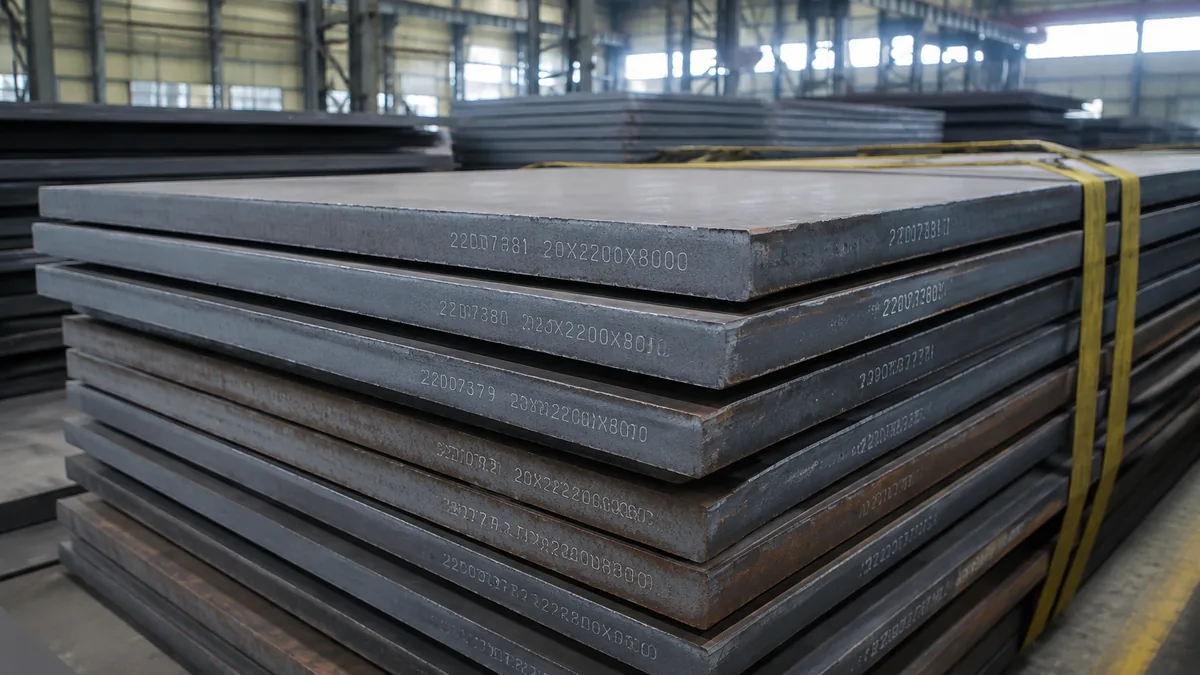
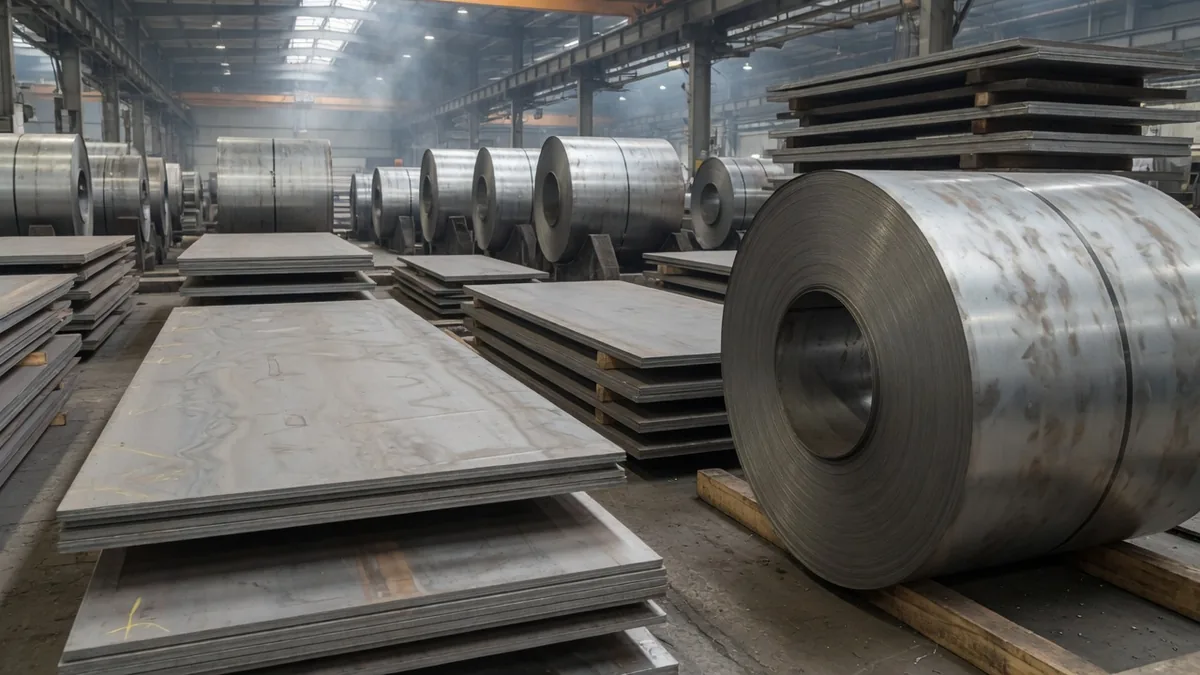
يناسب 316L معدات العمليات والخطوط الصحية والتعرض العام للكلوريدات عندما يعتمد التصميم على ممارسات تصنيع أوستنيتية. ويتوفر على نطاق واسع في الصفائح واللفائف والأنابيب وفق ممارسات ASTM A240 / A312.
متى يختار المشترون 2205؟
حدد 2205 عندما يحتاج المشروع إلى إجهاد مسموح أعلى أو هامش أفضل ضد تشقق الكلوريدات أو عندما يفرض الرسم مواصفة مزدوجة. أكد كيمياء PREN في MTC ونسق حدود مدخل حرارة اللحام مع المصنع قبل تثبيت أمر الشراء.
قائمة RFQ
- الدرجة والمعيار: 2205 أو فئة UNS مقابل 316L وASTM A240 أو A312.
- شكل المنتج ومقاسه.
- توقعات اللحام والفحص غير الإتلافي.
- وثائق EN 10204 3.1 حسب الصبة والدفعة.
- التغليف وميناء الوصول.
أرسل البيانات عبر نموذج طلب عرض السعر قبل اعتماد البديل أو بدء التصنيع.