







Sourcing Guide 1 min read

304L vs 316L Stainless Pipe RFQ Checklist

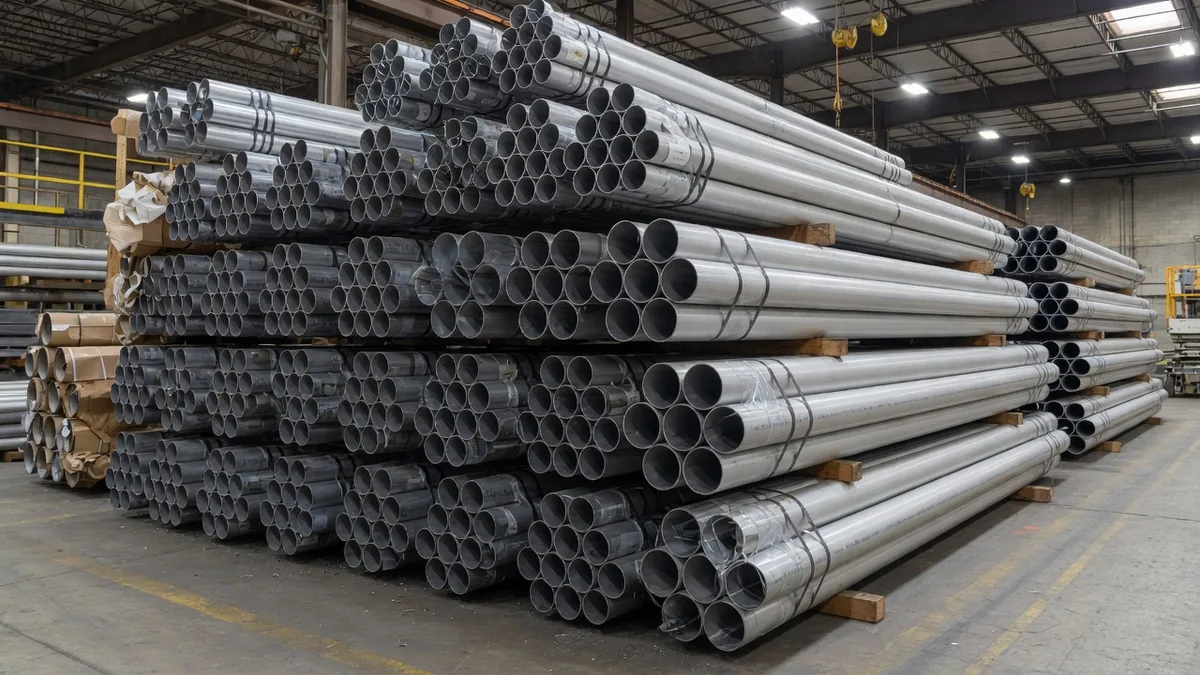
A practical RFQ checklist for 304L and 316L stainless pipe: seamless vs welded, OD/WT, ends, MTC, and when chloride duty forces 316L.

304L vs 316L Stainless Pipe RFQ Checklist cover image
On this page

Pipe RFQ fields that prevent rework

Stainless pipe quotes fail when the RFQ omits seamless vs welded route, ends, and service environment. Grade names alone are not enough.

Checklist

  1. Grade: 304L or 316L (state why if chloride-critical)
  2. Standard practice: ASTM A312 class or project EN
  3. Route: seamless or welded
  4. Size: OD x wall thickness x length
  5. Ends: plain / bevel / other
  6. Quantity and destination port
  7. Documents: EN 10204 3.1 MTC, optional PMI/NDT/third-party
  8. Packing: end caps, strapping, marks

Chloride rule of thumb

If the fluid, cleaning chemicals, or atmosphere introduces chlorides, start the technical review at 316L—not at the lowest 304L offer.
FAQ

When must pipe be 316L instead of 304L?

When chloride, coastal, chemical cleaning, or the project specification requires molybdenum-bearing stainless. Do not substitute 304L silently under those duties.

Do I need seamless pipe for every 316L line?

No. Many low-pressure process and sanitary lines accept welded pipe when the code and ITP allow it. High-pressure or code-critical service often prefers seamless.

Continue sourcing

Related category & products

Move to quotable product pages, or send a context-ready RFQ now.

Quick Inquiry & Project RFQ Channel

Drop the key specs. We reply within 2 business hours, or the next business day after hours. Project and container volume pricing supported.

Only name, email, and product are required. You can send now.