








Introduction
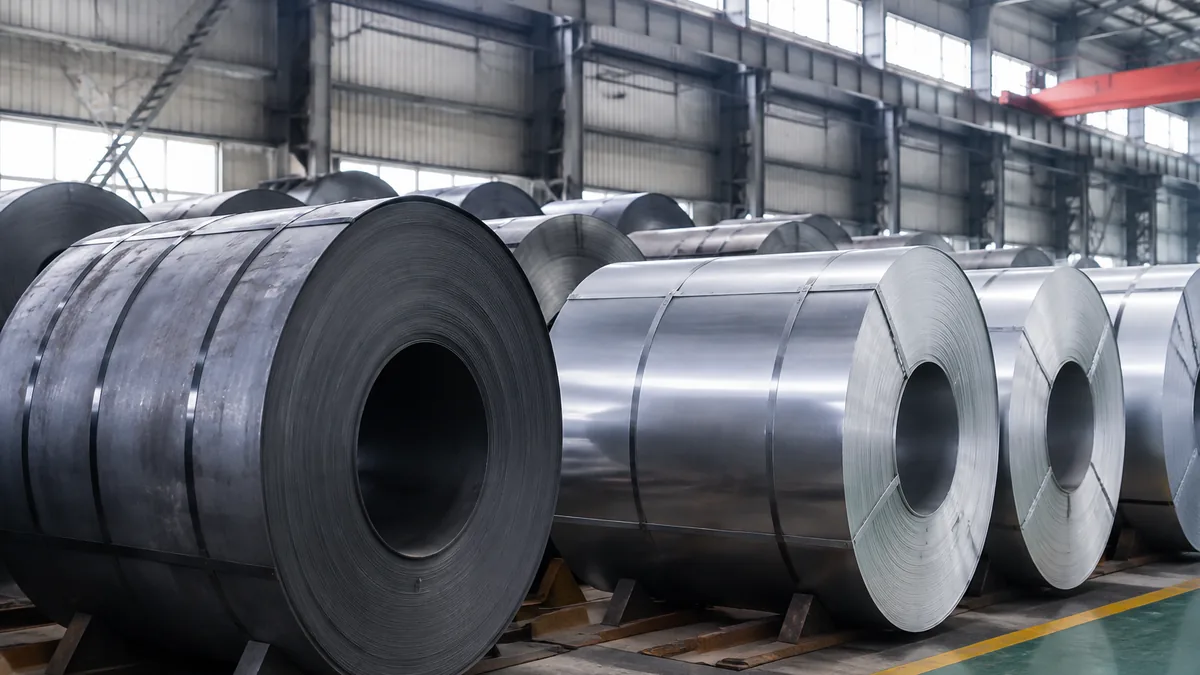
For coil importers, “hot rolled or cold rolled?” is not a style preference—it is a sourcing decision that changes surface quality, thickness capability, tolerance risk, formability, lead time, and price. A project that needs a smooth, tight-tolerance blank will not be saved by a cheaper hot-rolled offer. A structural frame that only needs strength may overpay for cold-rolled surface that the drawing never required.
This guide compares hot-rolled coil (HRC) and cold-rolled coil (CRC) from an importer’s RFQ and inspection point of view. It is a practical procurement brief for carbon and low-alloy commercial grades, not a substitute for the exact ASTM, EN, JIS, or GB standard named on your order. For sheet-cut decisions after coiling, our earlier hot rolled vs cold rolled steel sheet buyer checklist remains useful; this article focuses on coil form, mill supply, and export packing.
HRC vs CRC at a Glance
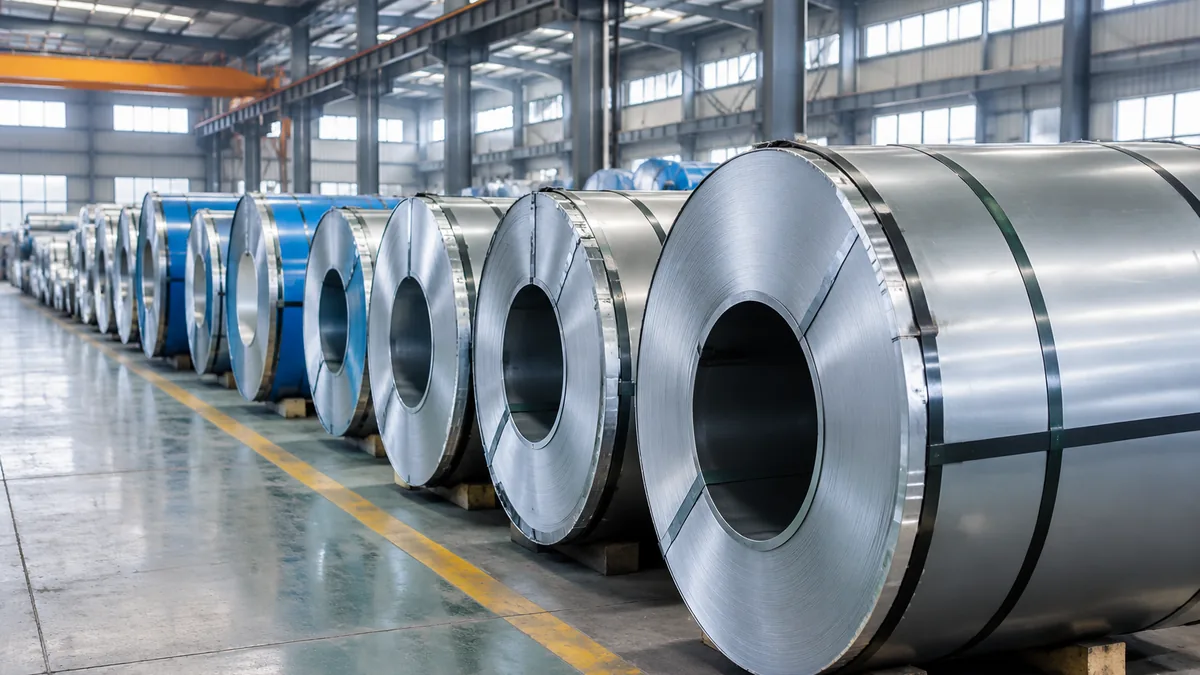
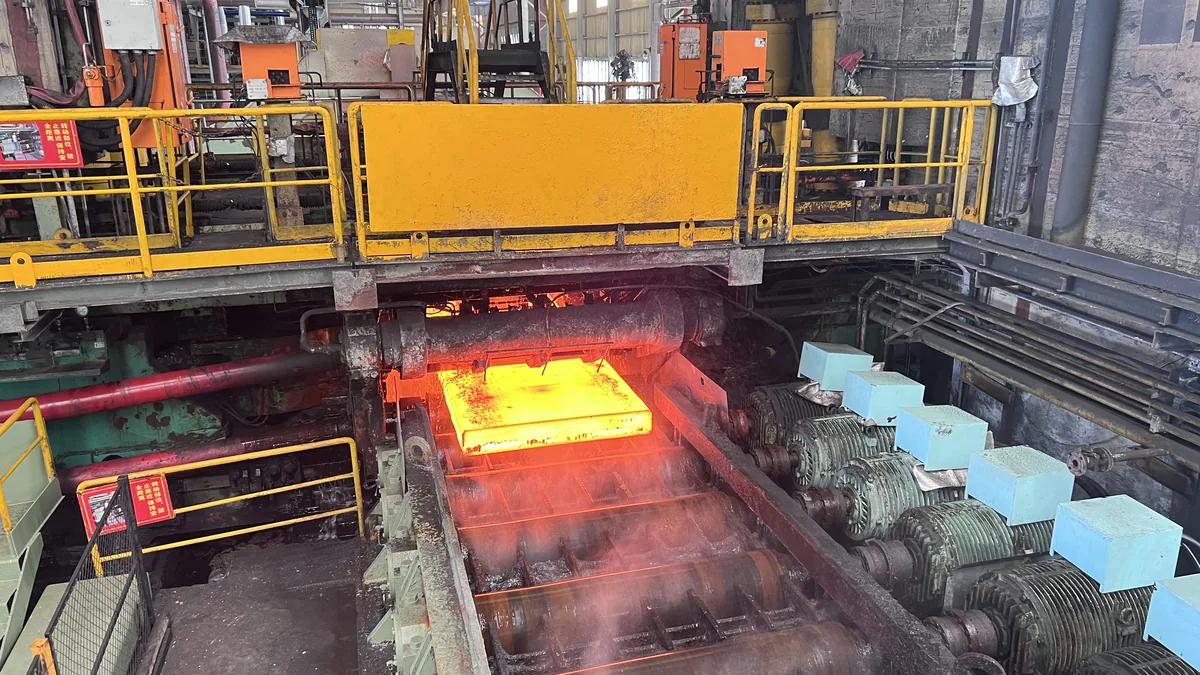
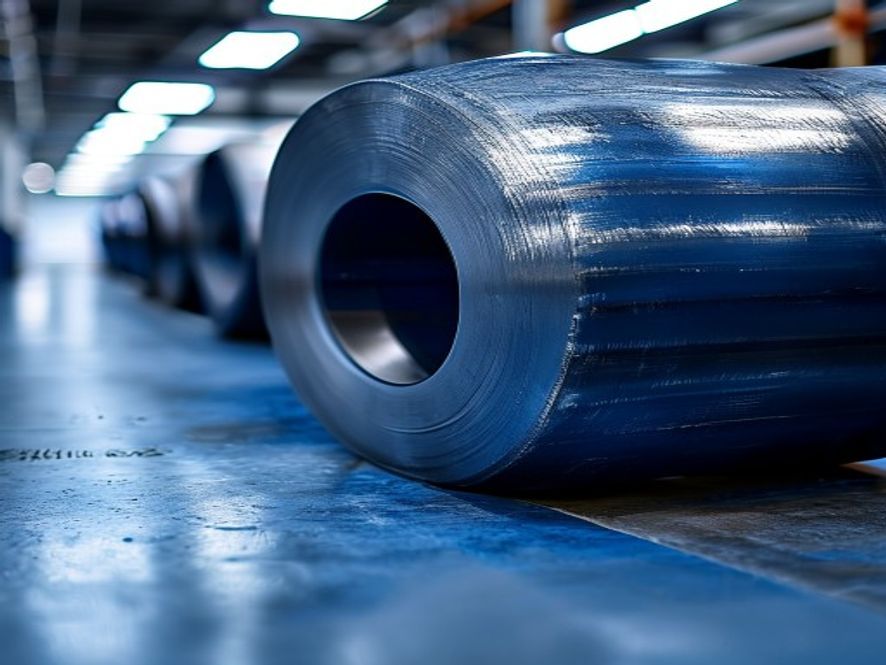
Hot-rolled coil is produced by rolling steel above its recrystallization temperature. The surface often carries mill scale unless pickled. Cold-rolled coil starts from hot-rolled feedstock (commonly after pickling) and is further reduced cold, then typically annealed and skin-passed to restore ductility and control surface.
| Buyer checkpoint | Hot-rolled coil (HRC) | Cold-rolled coil (CRC) | Why importers care |
|---|---|---|---|
| Process route | Hot strip rolling; optional pickle & oil | Pickle → cold reduce → anneal → temper / skin pass | Cost, lead time, surface |
| Typical thickness focus | Thicker commercial range for structure and tube | Thinner gauges for forming and exposed parts | Wrong range = mill reject or substitution risk |
| Surface | Mill scale / as-rolled; pickled options available | Smooth, controlled finish (e.g. matte commercial) | Paint, plating, appearance, tooling wear |
| Dimensional control | Wider commercial tolerances unless tightened | Tighter thickness and flatness control is common | Nesting, stamping, gauge consistency |
| Formability | Good for many structural uses; scale can affect tooling | Often preferred for deep drawing and precision blanks | Crack risk and scrap rate |
| Unit cost | Usually lower process cost | Usually higher because of extra process steps | Budget vs specification fit |
| Common next processes | Tube, plate cut, pickle-to-GI feedstock, structural parts | Stamping, appliance panels, further coating or forming | Match process chain, not only price |
Exact thickness windows, tolerances, and grade names must follow the standard and mill capability stated on the proforma invoice. Do not treat catalogue ranges as universal guarantees.
Surface, Scale, and Downstream Fit
Hot-rolled surface
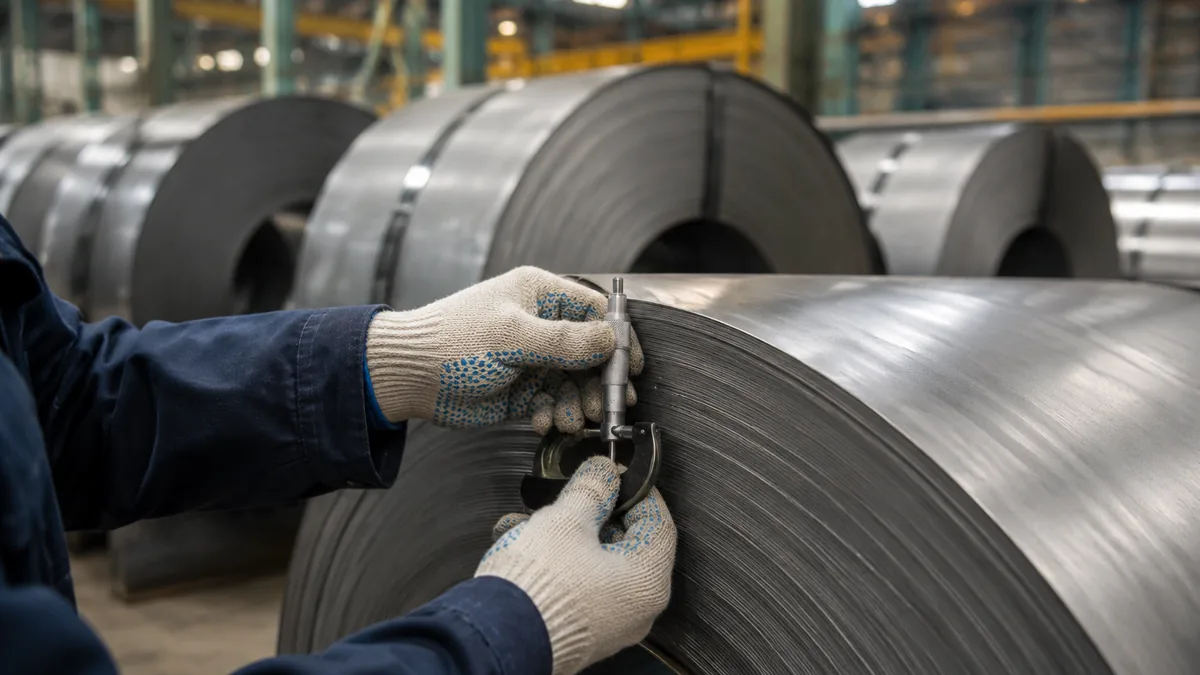
As-rolled HRC often shows mill scale. That is acceptable for many structural and welded uses, but it is a problem when the buyer expects paint-ready or plating-ready sheet without extra preparation. If your line needs cleaner surface on HRC, specify pickled and oiled (P&O) or an equivalent pickling state in the RFQ—do not assume the mill will pickle by default.
Cold-rolled surface
CRC is chosen when smoother surface, better thickness consistency, and more predictable forming behavior matter. Still specify finish expectations (for example commercial matte), oiling, and whether coil breaks, rust, or white residual oil are acceptance issues. Surface language that is only “good quality” will not survive a claim discussion.
Thickness, Tolerance, and Coil Geometry
Importers should freeze more than nominal thickness:
- Nominal thickness and width, plus the tolerance standard or agreed min/max
- Whether thickness is measured at coil edge, mid-width, or both
- Flatness / wave expectations if the blanking line is sensitive
- Coil inside diameter (ID), maximum outside diameter (OD), and max coil weight for the buyer’s uncoiler and container plan
- Edge condition (mill edge or slit edge) and camber limits when relevant
CRC is commonly selected when the project cannot absorb wider commercial thickness variation. HRC can still be correct—and more economical—when the drawing allows thicker stock and non-critical surface. For width and thickness RFQ discipline across coil products, use our steel coil width and thickness tolerance RFQ checklist.
Cost Drivers Importers Should Compare Honestly
CRC usually costs more than HRC of the same steel family because cold reduction, annealing, and tighter process control add value. The premium is not a fixed percentage; it moves with grade, size, surface package, oiling, packing, inspection, and freight.
Compare offers only when these match:
- HRC vs CRC stated explicitly
- Same grade / standard edition
- Same thickness × width and tolerance class
- Same surface state (as-rolled / P&O / oiled CRC, etc.)
- Same certificate type (often EN 10204 3.1)
- Same packing and destination terms
A low HRC price is not a bargain if the factory must re-pickle, grind, or scrap parts that needed CRC.
RFQ Checklist Before You Request Coil Quotes
Use this list so mills and traders cannot hide product-form gaps:
- Product form: hot-rolled coil or cold-rolled coil (not only “steel coil”)
- Standard and grade (for example ASTM / EN / JIS / GB commercial grades as required)
- Thickness × width, tolerance class, and measurement method
- Surface condition: as-rolled, pickled, oiled, dry, finish code if any
- Coil ID / OD / max weight and edge condition
- Mechanical or chemical extras required by the project
- Certificate: EN 10204 3.1 MTC with heat traceability
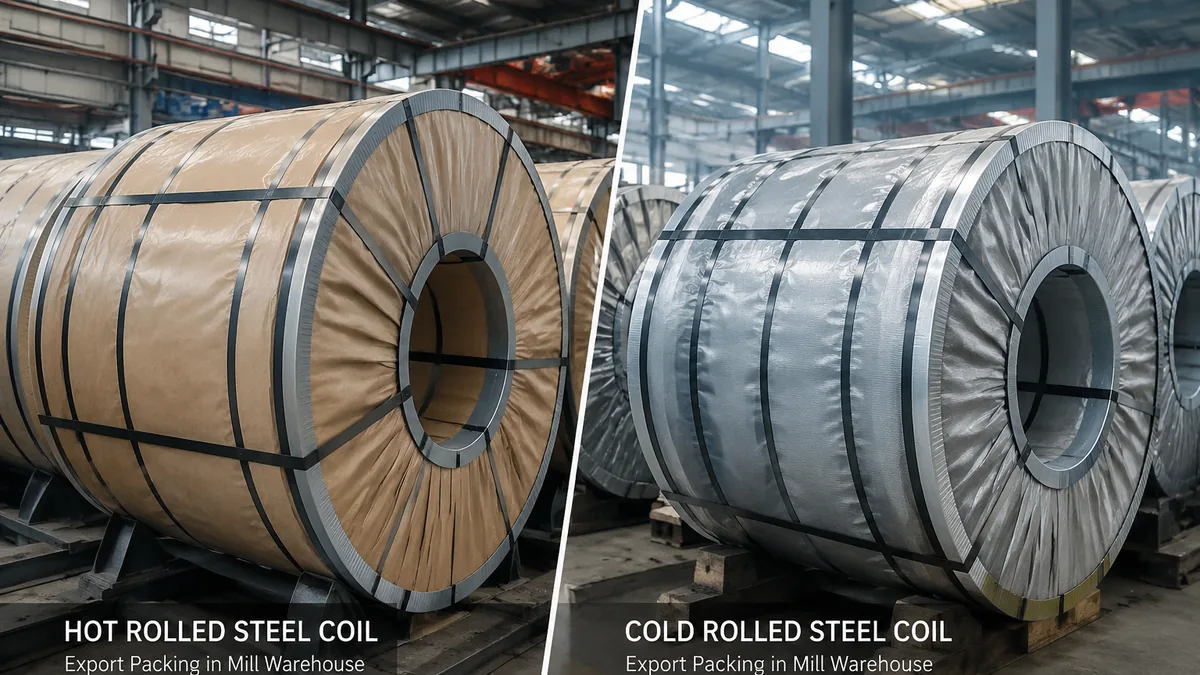
- Packing: seaworthy coil packing, eye-to-sky or eye-to-wall, VCI/paper/edge guards as needed
- Quantity, monthly split, port, and inspection hold points
For export packing risks that apply to both HRC and CRC, see our steel export packing guide on rust prevention and container loading. Certificate release checks are covered in how to verify a steel mill test certificate before shipment.
Common Sourcing Mistakes
| Mistake | Commercial risk | Better RFQ practice |
|---|---|---|
| Writing only “steel coil” | Supplier quotes HRC when the line needs CRC | Name HRC or CRC in the first line of the RFQ |
| Ignoring mill scale on HRC | Paint/plating failures or extra processing cost | Specify as-rolled vs pickled & oiled |
| Mixing tolerance classes in price compare | False lowest-price mill winner | Freeze one tolerance class before bidding |
| No coil weight / ID limit | Coils arrive that the buyer cannot uncoil | State uncoiler limits and container plan |
| Accepting vague surface language | Claims after shipment | Define finish, oiling, and rust acceptance photos |
Conclusion
Hot-rolled and cold-rolled steel coils serve different importer jobs. HRC is the economical workhorse for thicker structural and tube-oriented uses when surface is secondary. CRC is the tighter-control product for smoother surface, thinner gauges, and forming-critical work. The expensive error is not choosing one forever—it is letting the RFQ stay ambiguous and discovering the mismatch after the container is stuffed.
As an exporting mill partner, we quote HRC and CRC as separate product forms with grade, size, surface state, coil geometry, EN 10204 3.1 heat data, and packing method written into the offer. Certificate practices are summarized on our quality certificates page.
If you are preparing a coil enquiry and want comparable offers that already separate hot-rolled from cold-rolled scope, send us your requirement with thickness, width, grade, surface, and destination port, and we will reply with technical scope beside commercial terms.