








Introduction
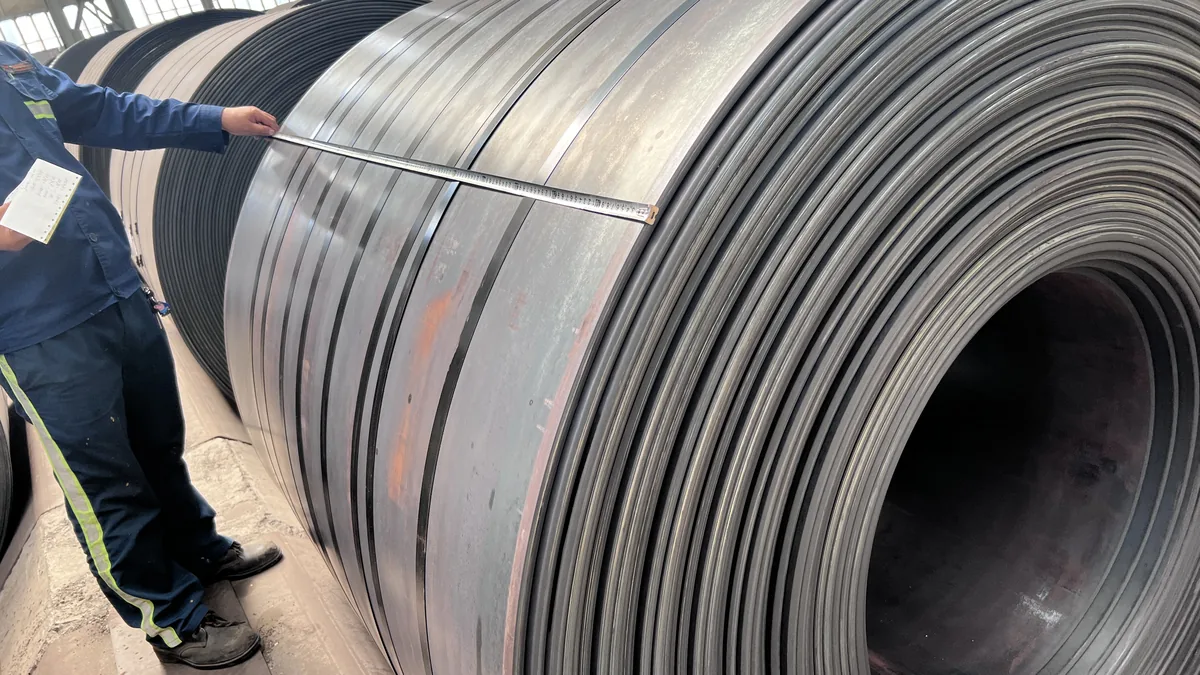
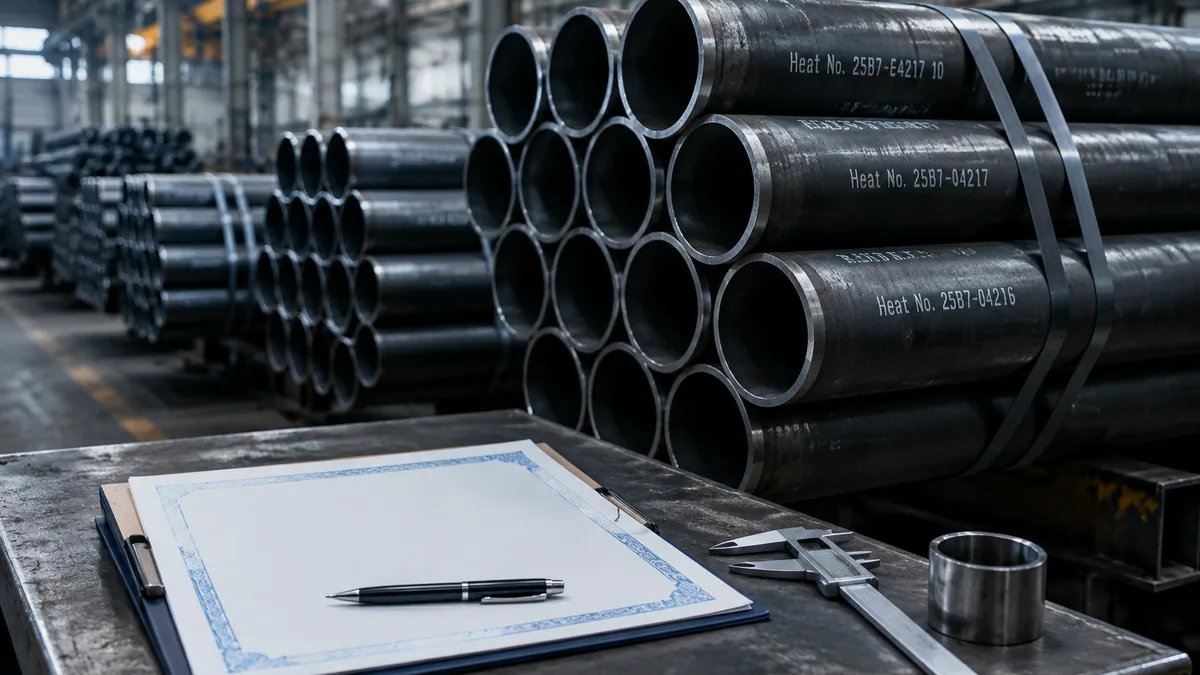
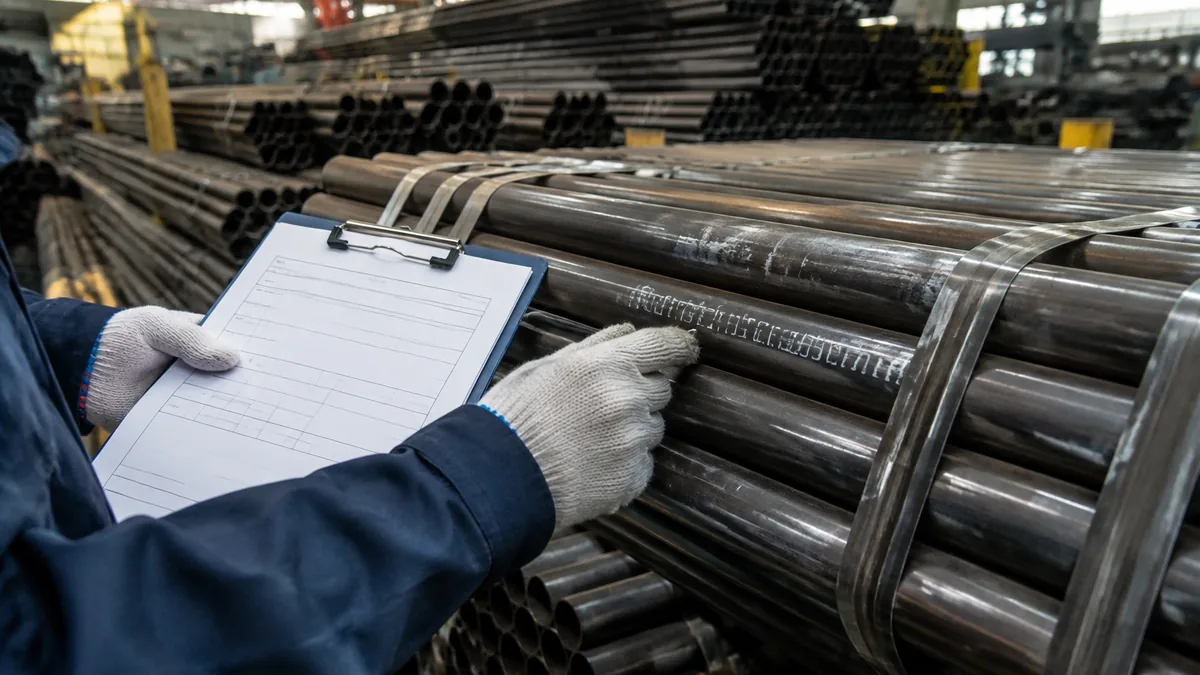
A low steel price means little if the wrong heat, wrong size, or poorly packed coils leave the mill. Third-party pre-shipment inspection (PSI) is the buyer-side check that happens when production is finished or nearly finished and goods are ready to ship. Agencies such as SGS, Bureau Veritas, Intertek, and many regional inspectors run similar work under your written scope: quantity, visual condition, dimensions, marking, packing, and document consistency against the purchase order.
This guide is for importers, project buyers, and traders who source plates, coils, pipes, bars, or sections from China and need to read the report, not only book the service. It is procurement guidance, not legal advice and not a substitute for the project specification. Pair it with document work on the Mill Test Certificate verification checklist and the EN 10204 3.1 certificate checklist.
What Pre-Shipment Inspection Is — And What It Is Not
| Topic | Pre-shipment inspection (PSI) | What buyers sometimes confuse it with |
|---|---|---|
| Timing | Usually when goods are packed or ready to pack, before loading | Factory system audit before the first order |
| Object | The shipment lot against PO / PI / approved sample | The mill’s whole quality management system |
| Output | Inspection report with photos, findings, and often PASS / FAIL / HOLD | An EN 10204 certificate type by itself |
| Sampling | Agreed sample plan or 100% check on defined items | Full destructive testing of every piece |
| Decision | Buyer release, sort, rework, re-inspect, or hold shipment | Automatic customs clearance at destination |
PSI does not automatically upgrade an MTC from mill self-certification to third-party validation. If the order requires EN 10204 3.2, plan third-party witnessing of tests or document validation under that certificate rule. PSI and certificate type are related risk tools; they are not the same line item.
Common related services:
- Pre-production / raw material check — before bulk production starts.
- During-production inspection — early process check when a share of the lot is finished.
- Pre-shipment inspection — finished goods focus before sailing.
- Container loading supervision — count, stow, seal, and photo record at stuffing.
Why Steel Importers Book PSI
Steel lots fail quietly. A coil label can show one heat while the packing list shows another. Pipe OD can sit at the high side of tolerance on the sample the mill photographed and at the low side on the balance. Galvanized packing can look clean in the yard and still lack the edge protection that matters after sea freight.
Buyers commonly book third-party PSI when:
- It is a first order with a new mill or trader.
- The lot is high value or critical to a project handover date.
- The PO freezes tight dimensional, coating, or NDT requirements.
- Document risk is high and the team wants independent photos before release.
- Destination QA or a lender expects an independent pre-shipment record.
Supplier identity work still belongs earlier in the process. Use the Chinese steel supplier verification checklist before deposit; use PSI before the vessel sails.
What To Put In The Inspection Instruction
The quality of the report tracks the quality of the instruction. Send the inspector a clear package, not only a factory address.
| Instruction field | What to freeze | Why it matters |
|---|---|---|
| Purchase order / PI reference | Exact PO lines, product form, grade, standard | Findings must map to ordered items |
| Quantity basis | Pieces, meters, coils, theoretical tons, or mixed | Prevents “count looks fine” without a basis |
| Sample plan | Random sample size, critical items 100%, or AQL-style plan if used | Defines how representative the visit is |
| Dimensional checks | OD, wall, width, thickness, length, diagonal, camber limits | Steel claims often start on size |
| Visual / surface | Rust grade limits, dents, edge waves, coating defects | Photos alone are weak without criteria |
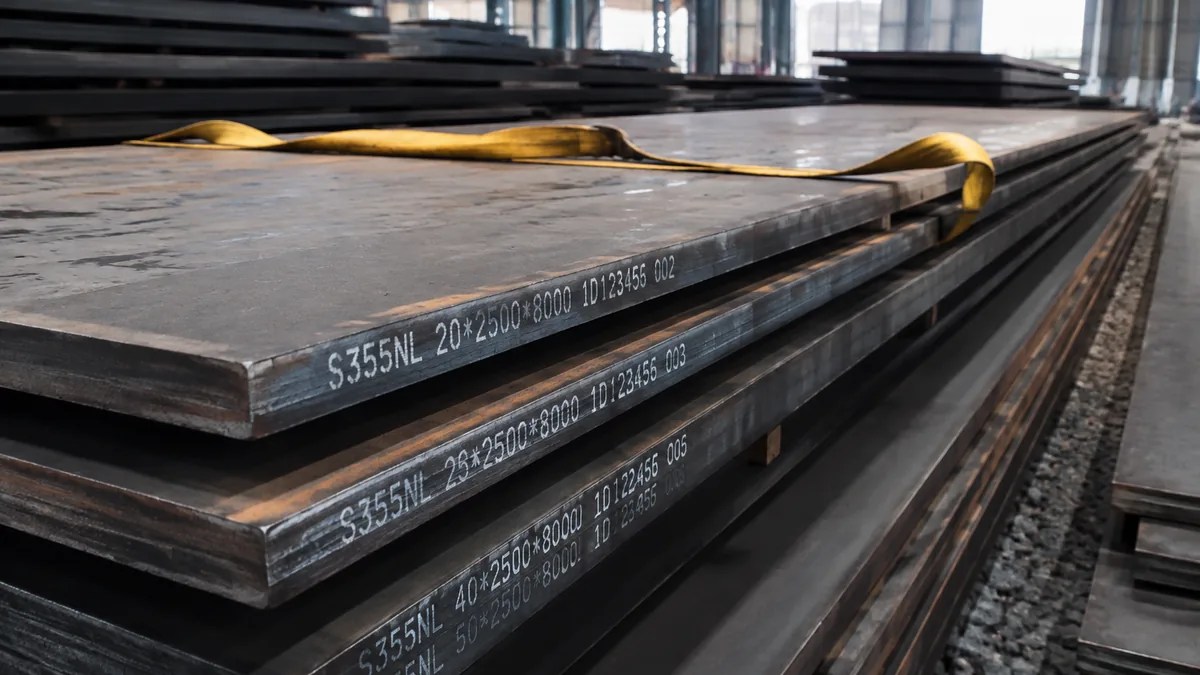
| Marking | Heat, bundle, size, grade stencil / tag rules | Links physical steel to MTC |
| Document set | PO, PI, packing list, invoice draft, MTC, NDT records | Consistency check across paper and steel |
| Special tests | PMI / XRF, hardness, coating mass spot check, hydro test witness | Only if ordered and method is named |
| Packing standard | VCI, desiccant, edge protectors, wooden saddles, wrap layers | Sea-freight risk control |
| Decision rule | Critical / major / minor classes and release authority | Avoids vague “please advise” reports |
If you use Acceptable Quality Level language from ISO 2859-1, write the defect classes and acceptance numbers for this steel lot. Consumer-goods AQL tables do not automatically fit heavy plate or pipe; many steel buyers instead fix sample sizes by heat, bundle, or line item.
What A Typical Steel PSI Report Covers
Most third-party steel reports group findings into the same practical blocks.
1. Quantity and identity
- Count of pieces, bundles, coils, or crates against the packing list.
- Heat / cast numbers on tags versus packing list and MTC.
- Product form and size designation on labels versus PO lines.
2. Visual and surface condition
- Rust, oil stain, mechanical damage, edge damage, coil telescope, pipe end condition.
- Coating appearance for galvanized or prepainted material when ordered.
- Photo set tied to item IDs, not anonymous yard shots.
3. Dimensional and geometric checks
- Thickness / gauge, width, length, OD, wall, height, flange, straightness as relevant.
- Comparison to the ordered tolerance package, not only to “mill stock usual.”
- For pipe packages, see also the seamless vs welded inspection checklist for process-specific traps.
4. Marking and traceability
- Stencil, stamp, tag, color code, bundle card.
- Heat number continuity from piece → packing list → MTC.
- Missing or mixed marks treated as a document risk, not a cosmetic note.
5. Document review
- Certificate type (EN 10204 3.1 or the ordered type).
- Grade, standard, heat, quantity scope, chemical and mechanical tables when required.
- Cross-check packing list totals and line descriptions.
6. Packing and readiness for shipment
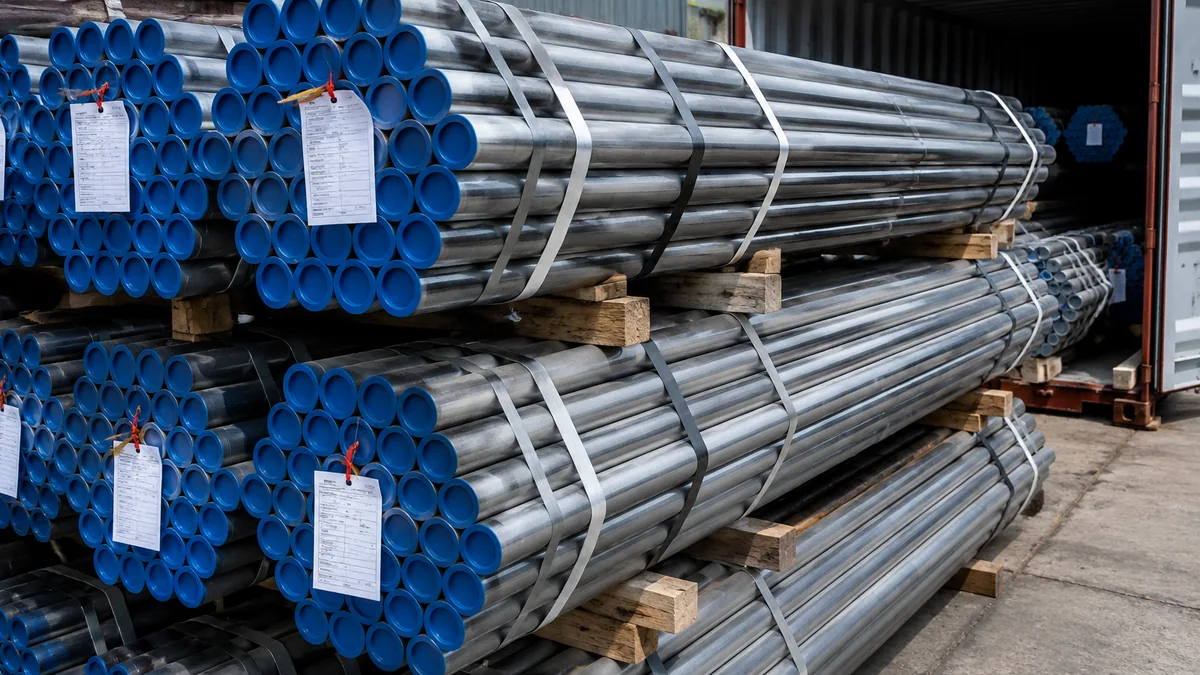
- Wrap, separators, edge protectors, desiccant, wooden cradles, lifting points.
- Container or truck readiness notes when loading is in scope.
- Practical packing risk context is covered in the steel export packing guide.
7. Optional technical spot checks
| Check | Typical use | Buyer caution |
|---|---|---|
| PMI / XRF | Alloy / stainless grade spot confirmation | Light elements such as carbon may need OES or lab analysis |
| Hardness | Process or grade screening | Not a full mechanical property substitute |
| Coating thickness / mass spot | GI / GL / PPGI lots | Method and location must be stated |
| Witness of mill tests | When 3.2 or project witness is ordered | Schedule with the mill lab, not only the warehouse |
How To Read PASS, FAIL, And HOLD
Do not stop at the traffic-light word on page one. Read the finding table.
| Report signal | Practical meaning | Buyer next step |
|---|---|---|
| PASS / Conforming | Sampled scope met the instruction | Release shipment if commercial terms are also complete |
| FAIL / Nonconforming | Reject criteria hit or critical defect found | Sort, rework, replace, or renegotiate before loading |
| HOLD / Conditional | Incomplete production, missing documents, or pending retest | Do not treat as release; set a clear re-check date |
| Observation only | Note outside reject criteria | Decide if it becomes a commercial claim later |
| Not in scope | Item not checked | Do not assume it was verified |
Practical reading order:
- Confirm scope and sample size match what you ordered.
- Read critical findings before minor cosmetic notes.
- Match heat numbers across photos, packing list, and MTC.
- Check whether failed items are isolated or suggest a lot-wide problem.
- Decide release authority in writing: buyer QA, project owner, or trader.
A PASS on visual and packing does not repair a wrong certificate type. A clean MTC does not repair systematically short wall thickness. Hold both document and physical gates.
Common Buyer Mistakes
| Mistake | What goes wrong | Better practice |
|---|---|---|
| Booking PSI with only a factory name | Inspector improvises checks | Send full PO, tolerance, packing, and document list |
| Inspecting too early | Sample is not the shipped lot | Book when goods are packed or ready to pack |
| No decision rule | FAIL arrives with no contract path | Define sort / rework / re-inspect / price claim rules |
| Skipping heat match | Paper and steel diverge | Force heat continuity as a critical check |
| Treating XRF as full chemistry | Carbon-sensitive grades misread | Name method limits in the instruction |
| Ignoring packing | Corrosion appears after sailing | Include packing photos and criteria |
| No re-inspection plan | Rework is claimed but not verified | Require re-PSI after major repairs |
RFQ And PO Language That Makes PSI Useful
Write inspection expectations into the commercial package before production, not only in a last-week chat.
Suggested fields to freeze in the RFQ or purchase order:
- Third-party PSI required: yes / no, and who pays.
- Agency shortlist or “buyer-nominated inspector.”
- Timing: production complete and packed / before container loading.
- Sample plan and critical 100% items.
- Required photos and report language.
- Link to certificate type (EN 10204 3.1 or 3.2) and any witness tests.
- Release rule: shipment only after written buyer acceptance of the report.
When you request a quotation, attach the same inspection instruction outline so mills price access time, extra packing, and possible hold points honestly. Ambiguous “inspection if needed” language usually means the cost and authority appear only after a dispute starts.
Conclusion
Third-party steel pre-shipment inspection is a structured way to compare the physical lot, the packing state, and the document set before loading. The report is only as strong as the instruction behind it: quantity basis, tolerances, heat marking, MTC consistency, optional PMI, and packing criteria.
Use PSI together with supplier due diligence and certificate review, not as a single magic gate. If you need mill options, packing capability, or a clear inspection-ready specification package for plates, coils, pipes, or sections, send the size list, standard, certificate type, and destination port with your RFQ so the quotation and the inspection scope can stay aligned.