








Introduction
Many import RFQs still say only “hot rolled steel coil” or “A36 sheet.” That shorthand creates three separate commercial risks: the thickness route may fall under ASTM A1011 or ASTM A1018, the project may need chemistry-only commercial steel instead of structural steel with certified strength, and the surface finish may need black mill scale or HRPO (hot rolled pickled and oiled).
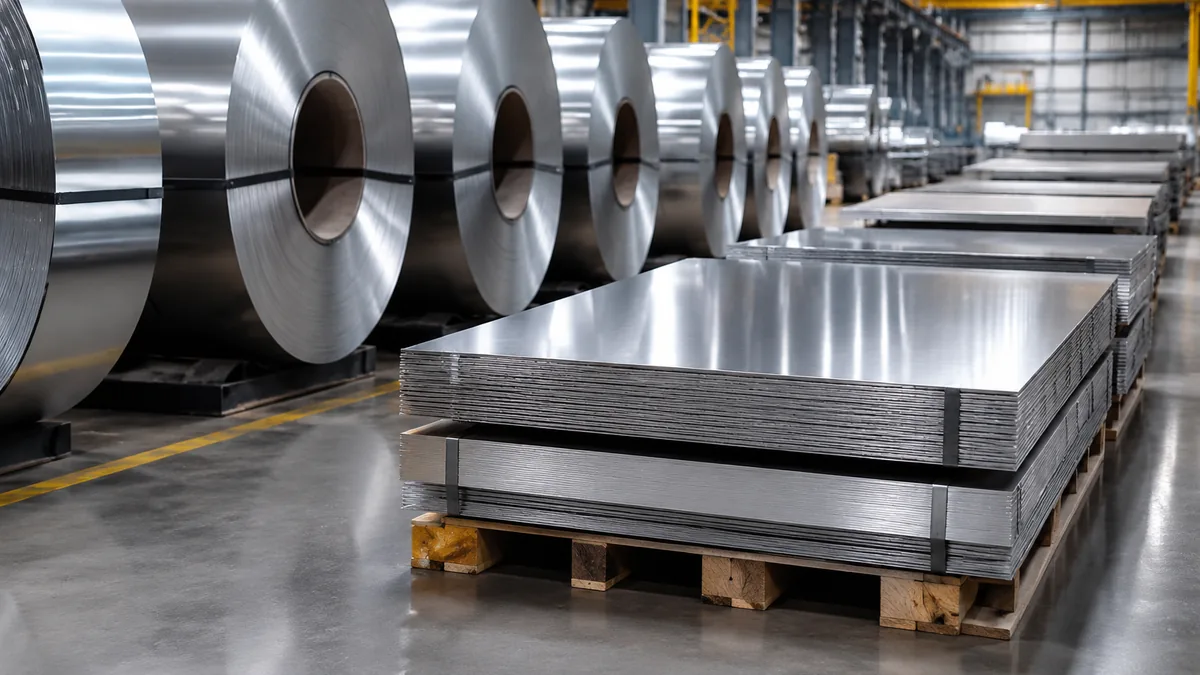
Hot rolled coil and sheet remain cost-effective materials for frames, brackets, agricultural equipment, general fabrication, tubular feedstock, and construction components. The problem is not the product family. The problem is incomplete specification. Buyers comparing site products such as A36 carbon steel coil, A36 carbon steel plate, ST37 carbon steel coil, or SPHC carbon steel coil need a decision path that separates thickness standard, strength designation, surface route, and certificate language before the mill starts production.
This buyer guide explains how ASTM A1011, ASTM A1018, and ASTM A36 usually fit different hot rolled sourcing decisions. It is written for importers, fabricators, stockists, and project buyers who need RFQ wording that prevents wrong-thickness substitution, non-guaranteed strength claims, and surface disputes after arrival.
Quick Decision Table: A1011, A1018, or A36?
| Buyer decision point | ASTM A1011 | ASTM A1018 | ASTM A36 |
|---|---|---|---|
| Typical product form | Hot-rolled sheet, strip, coil | Heavy-thickness hot-rolled coil | Structural plate, shapes, bars; also coil/sheet when ordered under A36 |
| Thickness focus | Thinner sheet/strip route, commonly up to about 0.230 in (about 6 mm) | Heavier coil route beyond A1011 size limits | Structural thickness package defined by the ordered form and standard |
| What the PO must freeze | Designation + type/grade (CS, DS, SS, HSLA, etc.) | Designation + type/grade for heavy gauge | Exact A36 product form and any supplementary tests |
| Mechanical guarantee | Only when SS, HSLA, or other strength designations are ordered | Same logic as A1011 for heavy coil | Guaranteed minimum structural mechanicals for the ordered form |
| Common RFQ risk | Buyer writes “A1011” without CS vs SS | Buyer quotes A1011 for heavy gauge | Buyer assumes A36 sheet is automatic for every thin forming job |
| Surface choice still required | Black / HRPO / pickled dry | Black / HRPO / pickled dry | Black or cleaned route depending on fabrication plan |
Use the table as a procurement filter only. Exact thickness cutoffs, chemistry, mechanical properties, and product-form rules must come from the current ASTM edition, the mill offer, and the purchase order. Do not treat marketing tables as the purchased standard text.
What Hot Rolled Steel Means For Buyers
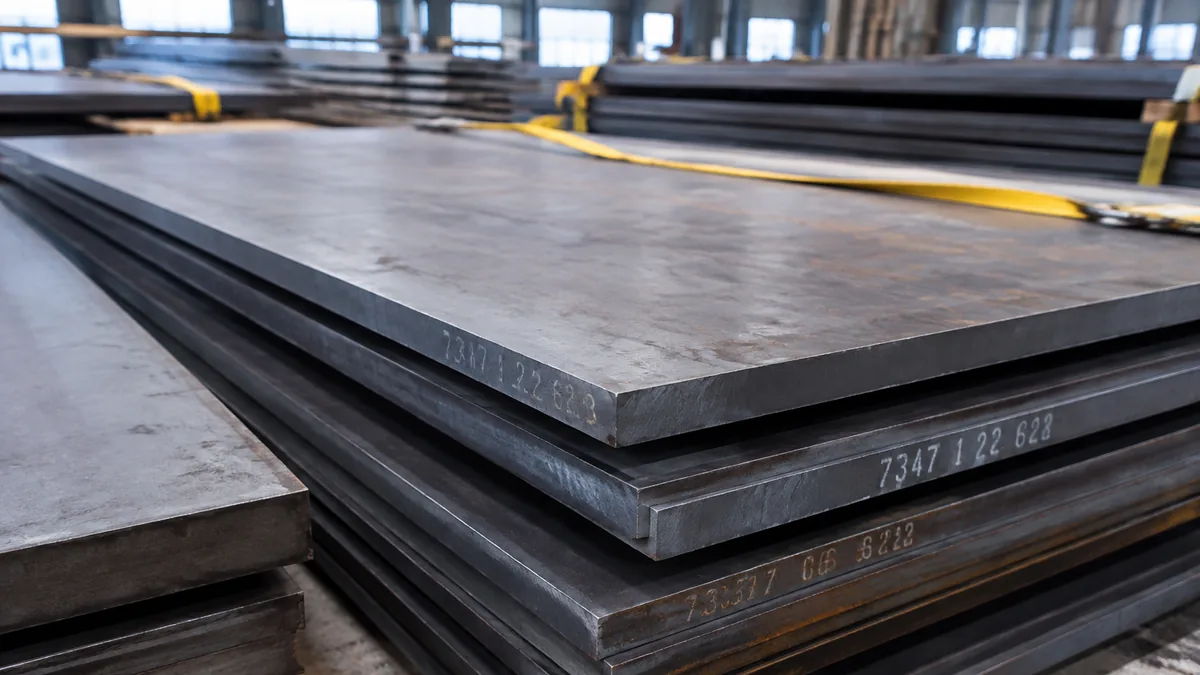
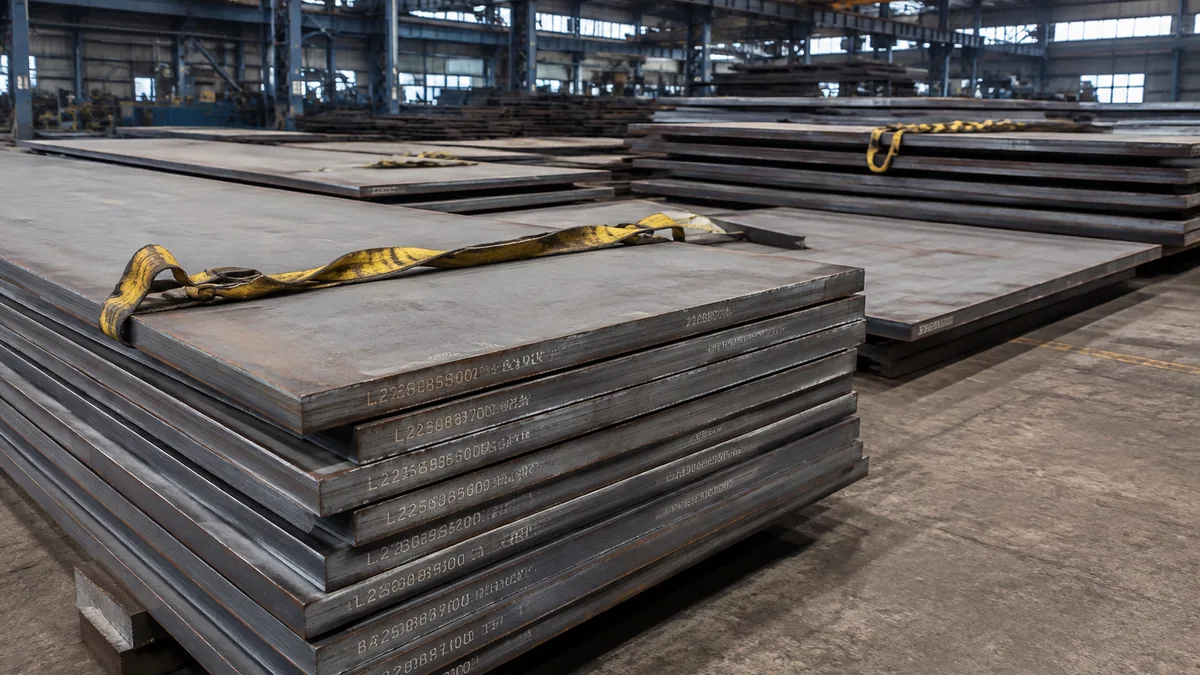
Hot rolled steel is formed and rolled at elevated temperature, then cooled under mill conditions. That route is efficient for producing a wide range of gauges, widths, and product forms. After cooling, the surface often shows mill scale. Mill scale can be acceptable for unexposed structural work, blasting, or galvanizing routes. It can also interfere with paint adhesion, laser cutting cleanliness, and some welding or coating steps.
For buyers, the practical points are:
- Hot rolled is usually more economical than cold rolled when surface and tight dimensional control are not the main requirement.
- Surface finish is a commercial choice, not a free side effect of the grade name.
- Product form matters: coil, cut sheet, strip, plate, and converted plate from heavy coil do not carry identical inspection and documentation expectations.
- Grade and standard are not interchangeable labels. “Hot rolled A36” and “A1011 CS Type B” answer different project questions.
If the project is still choosing between hot rolled and cold rolled for laser cutting, bending, or painting, review the companion guide on hot rolled vs cold rolled steel sheet for fabrication before locking the ASTM callout.
ASTM A1011: Thinner Hot-Rolled Sheet And Strip Family
ASTM A1011/A1011M is widely used for hot-rolled carbon, structural, high-strength low-alloy, and related steel sheet and strip. In commercial practice, it is the usual reference for thinner hot-rolled coil and sheet packages. Suppliers commonly associate A1011 with thicknesses up to about 0.230 in (about 6 mm). Always confirm the ordered thickness against the current standard and the mill’s certified product form.
A1011 is a family specification, not one single steel grade. The designation decides what the mill is actually guaranteeing:
| Designation group | Typical buyer use | What is usually guaranteed |
|---|---|---|
| CS (Commercial Steel), Types A/B/C/D | General fabrication, forming, non-critical brackets, ductwork | Chemistry package; mechanical properties not guaranteed |
| DS (Drawing Steel) | More demanding forming or stamping | Chemistry/formability route; mechanicals not treated like structural minima |
| SS (Structural Steel) grades | Load-bearing sheet applications needing certified strength | Minimum mechanical properties by ordered grade |
| HSLAS / HSLAS-F / UHSS | Higher strength or weight-saving sheet applications | Strength package defined by grade and class |
Buyer checkpoint for A1011
- Do not write only “ASTM A1011.” Write the full designation, such as A1011 CS Type B or A1011 SS Grade 36.
- If drawings or codes need a certified minimum yield strength, do not order CS or DS and later expect structural mechanicals on the MTC.
- Confirm whether general requirements such as ASTM A568/A568M apply to the ordered sheet package.
- Freeze thickness, width, coil or cut length, edge condition, and surface condition in the same RFQ line.
ASTM A1018: Heavy-Thickness Hot-Rolled Coil Route
ASTM A1018/A1018M is commonly used for heavy-thickness hot-rolled coils beyond the size limits associated with A1011. Commercial practice often starts this discussion around thicknesses over about 0.230 in. The exact boundary and product-form language belong in the current standard and the mill quotation, not in a verbal “A1011 or A1018, same thing” note.
A1018 usually covers the same broad designation families as A1011: commercial steel, drawing steel, structural steel, HSLA routes, and higher-strength designations. The commercial difference is the thickness and coil route, not a free substitution of one grade label for another.
Buyer checkpoint for A1018
- If the ordered thickness is heavy gauge coil, ask the supplier whether the offer is certified under A1018 rather than forcing an A1011 callout.
- If heavy coil will later be converted into plate-like cut lengths, clarify whether any additional testing, re-certification, or plate-specification route is required by the project.
- Do not confuse ASTM A1018 (hot-rolled heavy sheet/coil family) with AISI/SAE 1018 bar or rod stock. They are different product conversations.
ASTM A36: Structural Carbon Steel With Guaranteed Mechanicals
ASTM A36/A36M is one of the most widely referenced mild structural carbon steel packages for plates, shapes, and bars. Many buyers also source A36 coil or sheet when the project package names A36. The key commercial point is that A36 is ordered as a structural grade with guaranteed minimum mechanical properties, commonly associated with a 36 ksi minimum yield strength for the applicable product form.
That is why A36 is popular for construction, manufacturing supports, and general structural fabrication where design or code language expects certified strength values. It is not automatically the best choice for every thin forming or deep-drawing job that only needs commercial hot-rolled sheet formability.
When buyers need structural carbon steel plate or coil under A36, product pages such as A36 carbon steel plate and A36 carbon steel coil should still be checked against the project callout, thickness range, surface condition, and certificate wording. For Q235 versus A36 structural substitution questions, use the separate guide on Q235 vs ASTM A36 structural steel.
Buyer checkpoint for A36
- Freeze product form: plate, coil, sheet, shape, or bar.
- Confirm whether the project accepts A36 only, dual certification, or another named structural package.
- Do not assume A1011 CS Type B is an automatic A36 substitute.
- If the drawing says A36 and the offer returns “commercial hot rolled,” stop and re-open the specification before production.
A1011 CS vs A1011 SS vs A36: Strength Guarantee Is The Real Split
The most expensive buyer mistake is treating “A1011,” “A36,” and “structural steel” as interchangeable labels.
| Order language | Strength story | Typical fit |
|---|---|---|
| A1011 CS / DS | Chemistry-focused commercial or drawing steel; no guaranteed structural minima | Forming, stamping, general fabrication where certified yield is not required |
| A1011 SS Grade 36 or other SS grade | Structural sheet designation with guaranteed mechanicals by grade | Thin-gauge structural sheet needing certified strength |
| A36 | Structural carbon steel package with guaranteed mechanicals for the ordered form | Load-bearing fabrication and construction packages that name A36 |
If the engineer designed to a minimum yield value, order a designation that guarantees that value. If the shop only needs formable hot rolled sheet and will not rely on certified minima, commercial steel may be the cleaner commercial choice. Mixing these two intents in one RFQ creates shipment disputes later.
Surface Route: Black Mill Finish vs HRPO
Surface is a separate decision from the ASTM number.
| Surface route | What buyers usually get | Prefer when |
|---|---|---|
| Black / as-rolled mill finish | Mill scale, darker appearance, lower surface cost | Parts will be blasted, galvanized, or used in unexposed structural assemblies |
| HRPO (pickled and oiled) | Scale removed, oil protection during storage and transit | Laser cutting, painting, powder coating, cleaner welding, more consistent coating prep |
| Pickled dry | Scale removed, less residual oil | Processes that need a clean surface but oil is undesirable |
Order HRPO when surface cleanliness is part of fabrication success. Order black mill finish when the project will remove or ignore scale later and base material cost dominates. Do not assume every “A1011 coil” quotation includes pickling and oiling.
RFQ Checklist For Hot Rolled Coil And Sheet
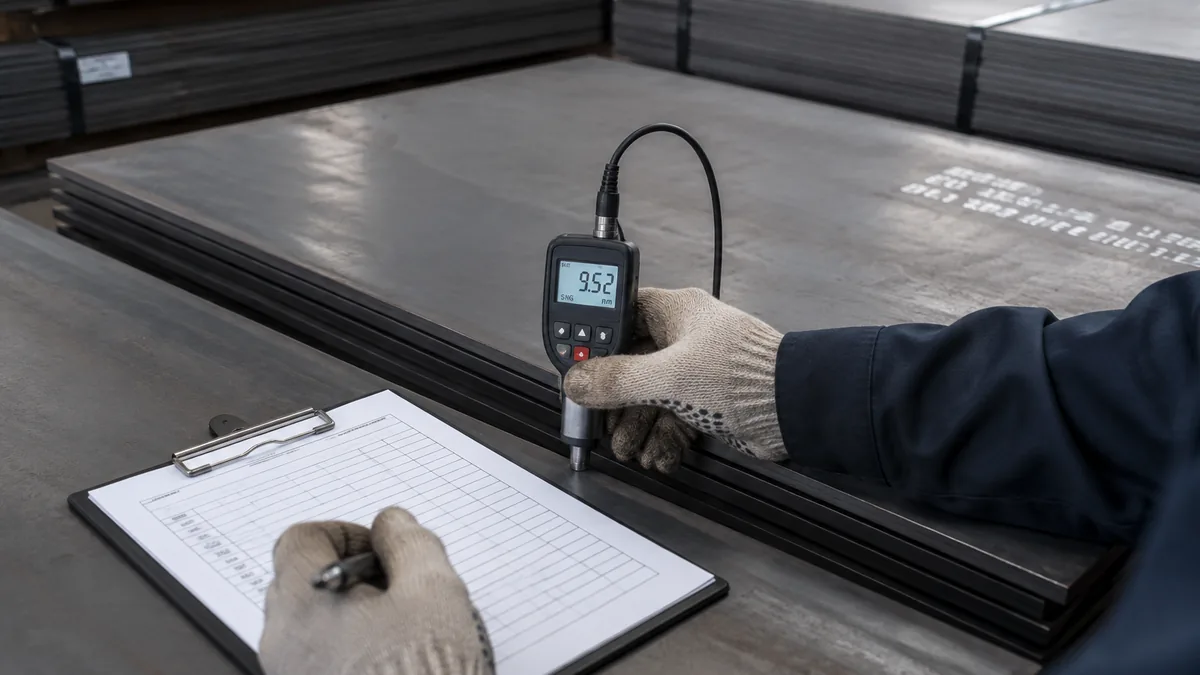
Use this checklist before requesting a quotation or approving a mill rolling plan:
- Standard and designation
- ASTM A1011 + full designation (for example CS Type B or SS Grade 36)
- ASTM A1018 + full designation for heavy-thickness coil
- ASTM A36 for structural packages that name A36
- Product form
- Coil, cut sheet, strip, plate, multi-blank, or slit strip
- Size package
- Thickness, width, length or coil ID/OD/weight, edge condition, unit system
- Surface condition
- Black mill finish, HRPO, pickled dry, or other agreed route
- Mechanical and test package
- Whether mechanicals are required, test direction if relevant, and any project supplementary tests
- Documentation
- MTC content, heat number traceability, EN 10204 3.1 if required, packing list match
- Tolerance and inspection
- Thickness/width/flatness basis, sampling, and release records
- Export packing
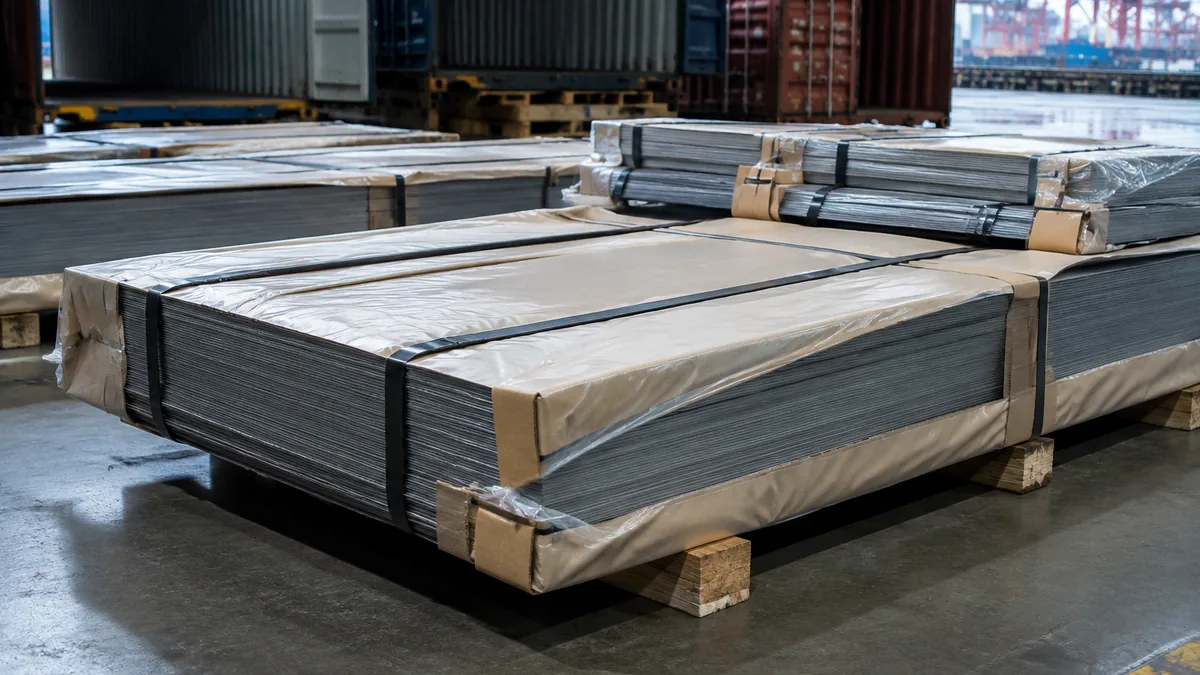
- Moisture protection, strapping, edge protection, container loading notes
For dimensional RFQ language beyond grade selection, pair this article with the steel coil width and thickness tolerance RFQ checklist. For certificate review, use how to verify a steel mill test certificate before shipment.
What To Confirm Before Shipment
Before release, reconcile the physical material with the order and documents:
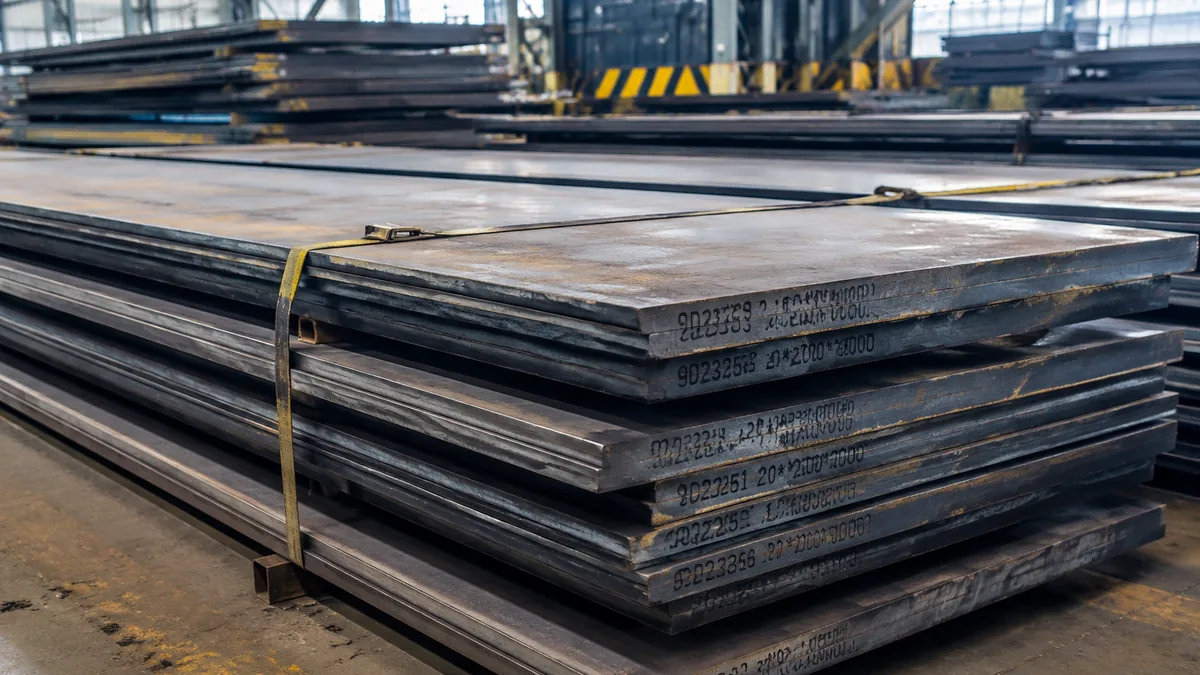
- Heat number and markings match the MTC and packing list.
- Certificate lists the same standard and designation ordered on the PO, not a neighboring commercial label.
- Thickness and product form match the A1011 / A1018 / A36 route that was purchased.
- Surface condition matches black, HRPO, or pickled dry as ordered.
- Coil weights, widths, cut sizes, and edge condition match the packing list.
- Any dual-grade or dual-standard claim is explicitly supported by the certificate wording and project acceptance.
An MTC is evidence, not automatic acceptance. If the project needs dimensional proof, require a dimensional inspection record as well. If export packing is critical for sea freight, review the steel export packing and rust-prevention guide before container loading.
Common Buyer Mistakes
- Writing “hot rolled A36 sheet” when the real need is formable A1011 commercial steel, or the reverse.
- Using A1011 for a heavy-gauge coil package that the supplier can only certify under A1018.
- Ordering CS Type B and later rejecting the lot because yield strength is not guaranteed on the certificate.
- Assuming black mill scale is acceptable for direct paint or laser work without pricing descaling or HRPO.
- Leaving surface condition, edge condition, and coil weight out of the RFQ, then comparing only unit price.
- Treating AISI 1018 bar stock language as if it were ASTM A1018 coil language.
- Accepting a generic “HR coil” MTC that does not name the ordered standard and designation.
- Skipping packing and rust-prevention requirements for long ocean transit.
Conclusion
ASTM A1011, ASTM A1018, and ASTM A36 are related hot rolled conversations, but they answer different RFQ questions. A1011 is the common thinner sheet and strip family. A1018 is the heavy-thickness coil route. A36 is the structural carbon package with guaranteed mechanicals for the ordered form. Surface finish remains a separate commercial decision: black mill finish for economy where scale is acceptable, HRPO when laser cutting, painting, or cleaner welding matters.
To source correctly, freeze standard, designation, thickness route, product form, surface condition, tolerance basis, MTC language, and packing in one RFQ package. If you need a quotation for A1011, A1018, or A36 hot rolled coil and sheet with clear certificate and inspection scope, request a quote with the full size and designation package rather than a generic “hot rolled steel” line only.