








Introduction
Importers and fabricators often see Q235 and ASTM A36 quoted as if they were interchangeable mild structural steels. Both grades are widely used for plates, sections, and general fabrication. The commercial risk appears when a quotation treats them as automatic substitutes without matching the project grade callout, product form, thickness range, testing options, dual-cert language, and certificate wording.
Q235 is commonly referenced in Chinese GB structural packages. ASTM A36 is commonly referenced on US and many international drawings that freeze an ASTM carbon structural steel callout. Approximate strength levels can look similar in sales tables, but acceptance is not decided by a single yield number. Buyers must confirm the exact grade named by the project, the product form the mill can certify, and the inspection documents that will be audited before loading.
This guide compares Q235 vs ASTM A36 from a procurement perspective. It is written for importers, fabricators, stockists, and project buyers who need RFQ language that prevents silent grade substitution and shipment disputes.
Quick Decision Table: Q235 or ASTM A36?
| Buyer decision point | Q235 | ASTM A36 |
|---|---|---|
| Typical buyer reason | Drawing or Chinese standard package names Q235 / Q235B | Drawing or project package names ASTM A36 |
| Strength positioning | Mild structural carbon steel family | Mild structural carbon steel family |
| What not to assume | Automatic replacement for every A36 callout | Automatic replacement for every Q235 callout |
| Common RFQ risk | Letter grade (B/C/D), form, or dual-cert scope omitted | Product form, thickness, or supplementary tests omitted |
| Documentation risk | Certificate lists a neighboring grade or different option | Certificate lists a neighboring grade or different option |
Use the table as a first filter only. Exact mechanical properties, chemistry, thickness rules, and impact options must come from the applicable current material standard package and the purchase order. Do not invent a universal conversion table from marketing sheets.
For commercial product context, buyers can review A36 carbon steel plate. That page helps frame supply options; it does not replace the project grade callout.
Why Name Matching Is Not Enough
A buyer may see that Q235 and A36 are both discussed as mild structural grades with similar headline yield classes. That proximity is why false substitutions enter quotations.
Procurement still has to answer:
- Which exact grade string is named on the drawing or approved material list?
- Is the order plate, coil, bar, section, or another form the mill can certify?
- Which sub-grade or quality letter applies for Q235 (for example Q235B) if the package uses it?
- Are there thickness-dependent property or testing rules that change acceptance?
- Must certificates support ASTM only, GB only, or a dual-certified package?
- Will the fabricator, third-party inspector, or owner accept a substitute?
If any of those answers is unclear, do not approve a grade swap on price alone.
Standards Context Without Over-Claiming Equivalence
Q235 in buyer language
Q235 is commonly ordered when the project material list names Q235 or a related quality letter such as Q235B. Buyers should still confirm the full designation, product form, and testing options because neighboring grades and quality letters are not automatically interchangeable.
When ordering, write:
- Exact grade string as named by the project (for example Q235B).
- Product form: plate, cut piece, bar, section, or other agreed form.
- Thickness, width, length, and quantity.
- Surface condition if fabrication requires blasted, oiled, or other agreed finish.
- Any impact or special test scope required by the package.
- Certificate type, often including
MTCandEN 10204 3.1when export QA requires inspection documents.
ASTM A36 in buyer language
ASTM A36 is commonly ordered when the project freezes an ASTM carbon structural steel callout. Treat A36 as a controlled callout, not a free commercial upgrade or downgrade path from Q235.
When ordering, write:
- Exact grade string: ASTM A36 (or the project’s full product standard wording).
- Product form and size range.
- Any supplementary test notes from the project package.
- Mechanical acceptance basis required by the PO.
- Heat number marking and document list, including
EN 10204 3.1when required.
Related structural comparisons on this site, such as ASTM A36 vs S235JR and S355JR vs ASTM A572 Grade 50, follow the same rule: compare decision points, do not invent a universal conversion table.
Dual Certification: When It Helps and When It Fails
Some mills can support dual certification when the production and test package can satisfy both named requirements and the buyer accepts dual marking on documents. Dual certification helps only when:
- The project engineer or owner allows it in writing.
- The mill can state both grade strings on the certificate without contradiction.
- Chemistry, mechanicals, and product form stay inside both acceptance bases.
- Marks and packing list language match the PO.
Dual certification fails commercially when the quotation says “A36 equivalent Q235” without listing both strings on the certificate plan, or when the project freezes one standard and rejects the other at receiving.
Practical Inspection Notes Before Shipment
A correct grade name on a quotation can still fail at receiving if inspection is vague. Align the mill, inspector, and buyer on the same checkpoints.
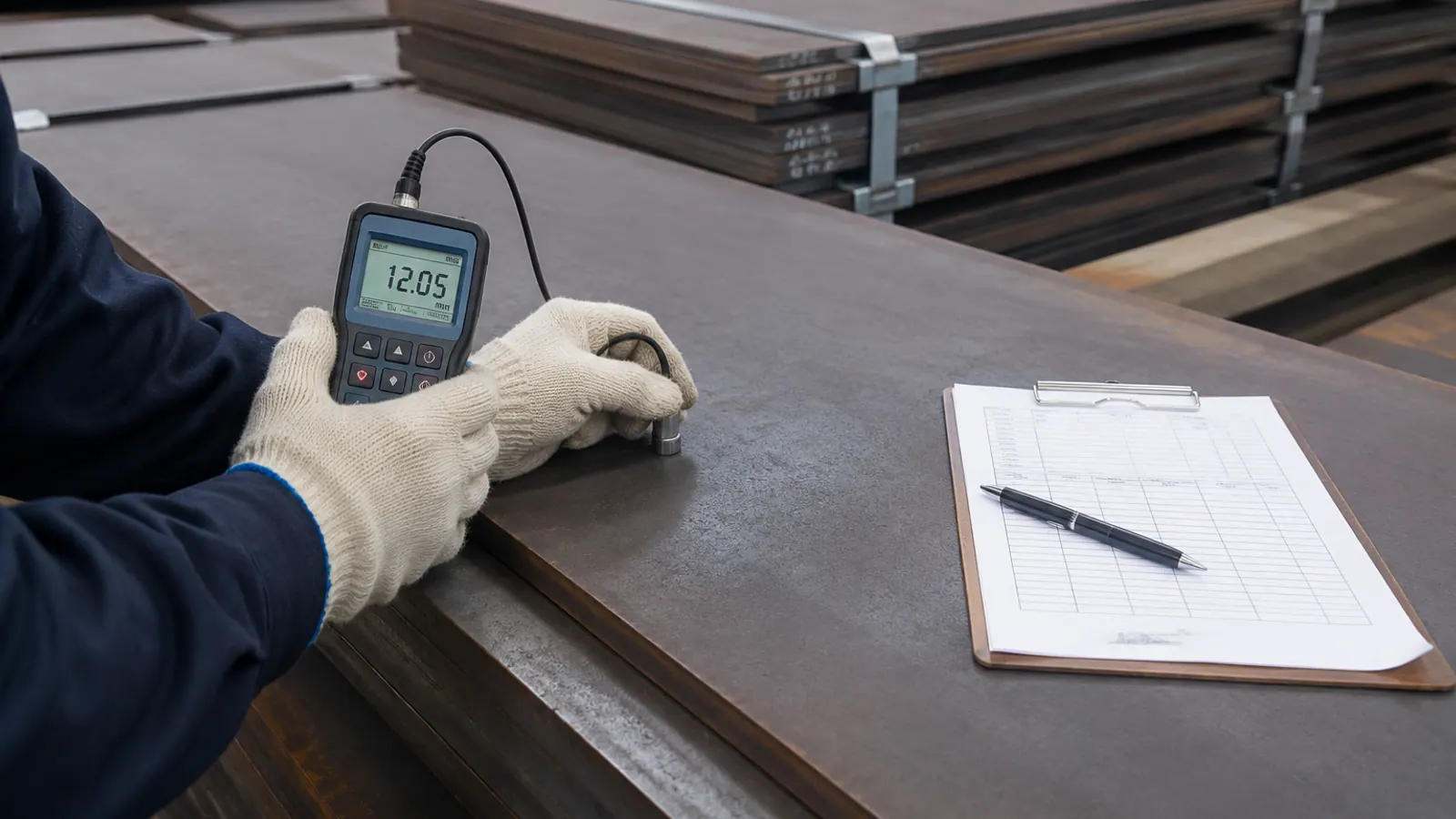
Check these points before release:
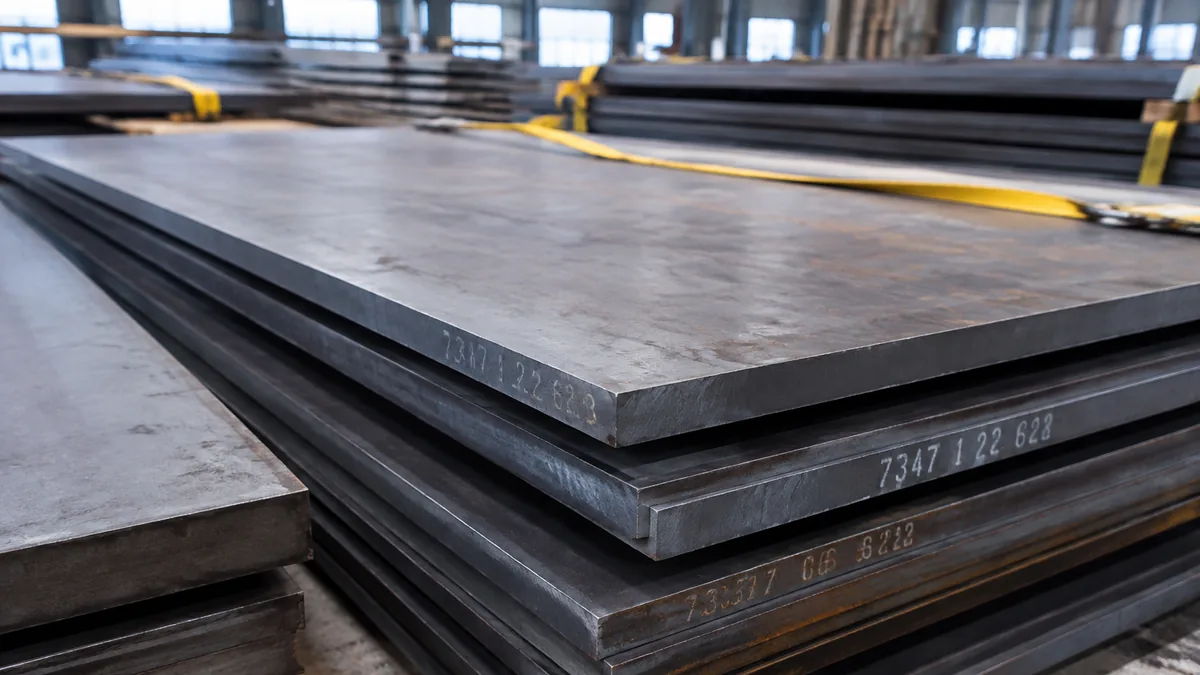
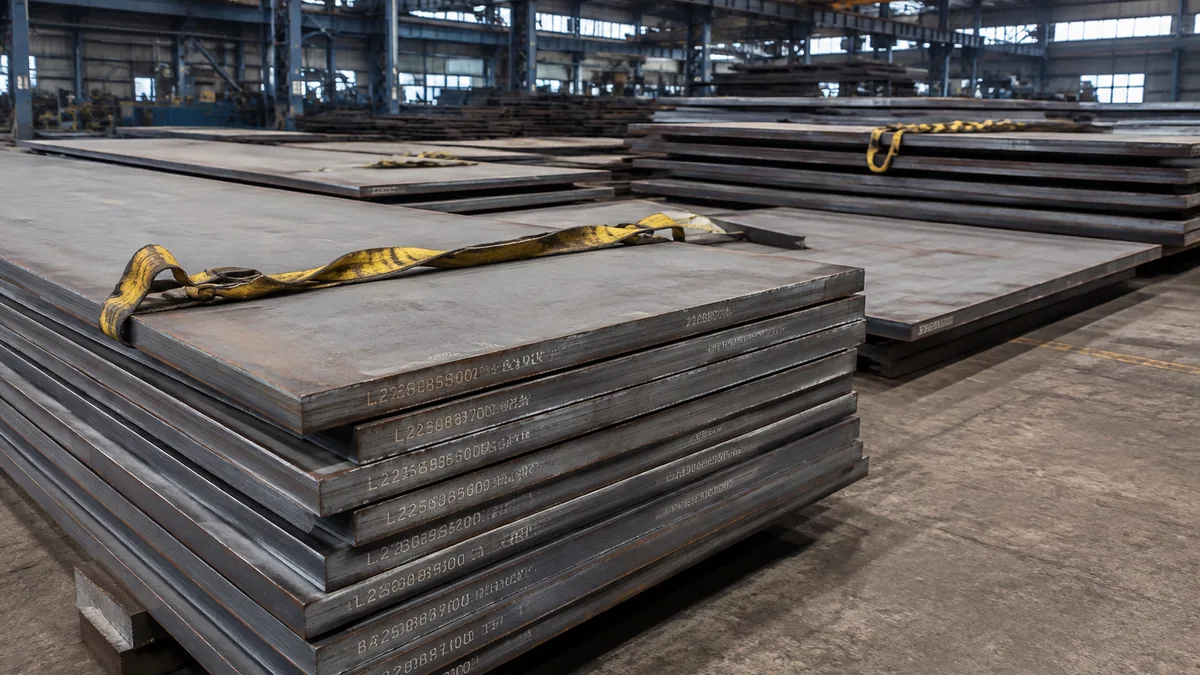
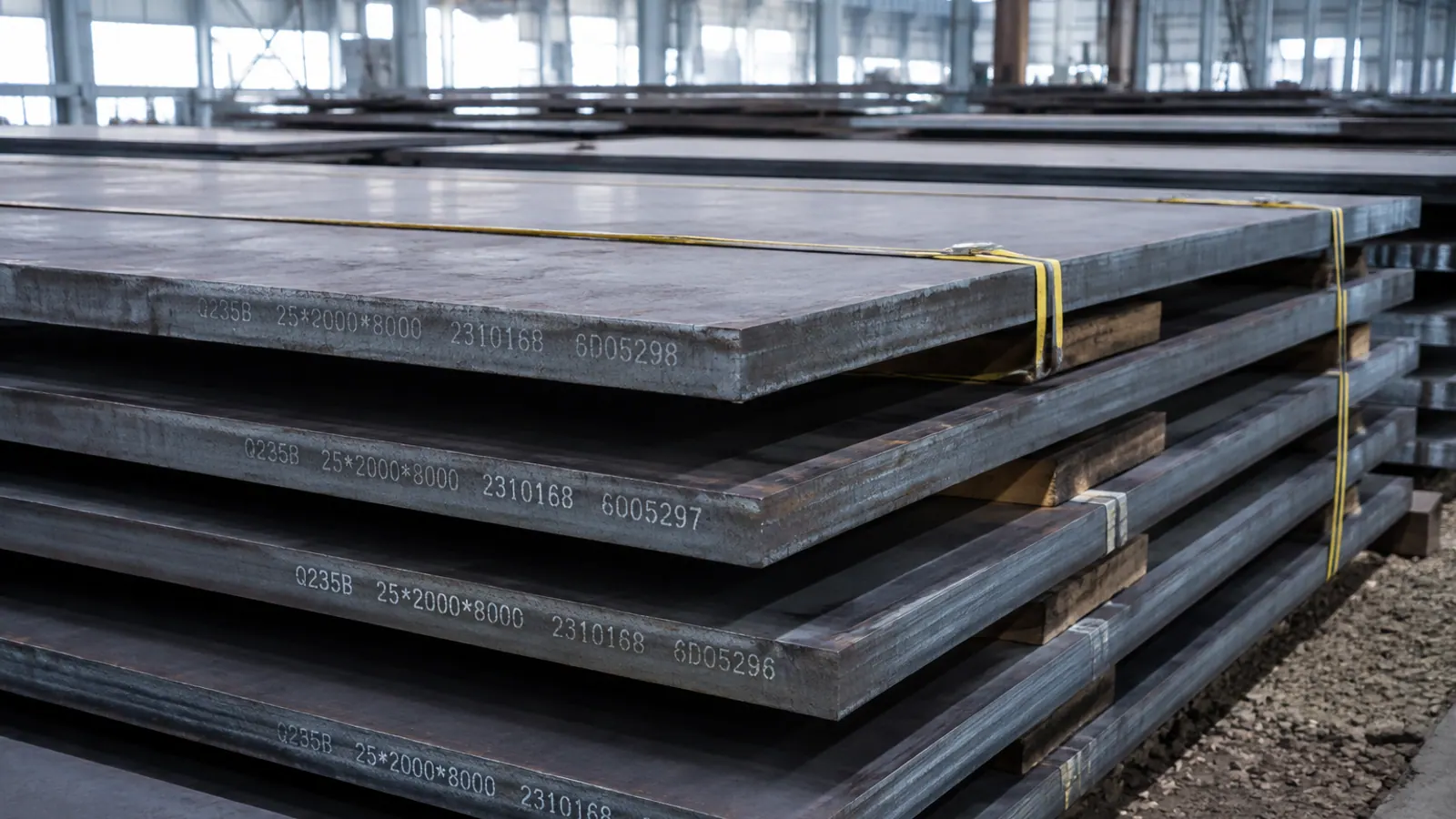
- Plate or product marking matches the packing list and MTC heat number.
- Ordered grade appears on the certificate without silent substitution.
- Thickness, width, and length measurements follow the agreed method and sampling plan.
- Surface condition is acceptable for the fabrication or coating route.
- Dual-grade claims appear only when the PO requested them; unsolicited dual wording can still create audit noise if incomplete.
- Document type is correct. Many importers request
EN 10204 3.1inspection documents for overseas structural projects.
For certificate workflow detail, pair this guide with how to verify a steel mill test certificate before shipment and the EN 10204 3.1 certificate checklist.
RFQ Checklist: What To Put In Writing
Use this checklist as the minimum commercial text for either grade.
| RFQ field | What to state | Why it matters |
|---|---|---|
| Standard and grade | Q235/Q235B or ASTM A36 exactly as named | Prevents “equivalent grade” quoting |
| Product form | Plate, coil, bar, section, or cut piece | Certificate scope follows product form |
| Dimensions | Thickness, width, length | Controls fabrication fit and mass |
| Quantity | Pieces, tons, or both with tolerance basis | Avoids shortage or over-delivery disputes |
| Dual certification | Requested or not; which grade strings | Stops vague “equivalent available” answers |
| Surface / delivery condition | Mill finish, blasted, oiled, or other agreed state | Affects welding prep and coating |
| Dimensional tolerance | Thickness, flatness, edge rules if critical | Prevents rework after nesting or assembly |
| Documents | MTC, EN 10204 3.1 if required, packing list, photos | Separates material evidence from logistics evidence |
| Inspection | Mill inspection, third-party witness, sampling plan | Makes acceptance reproducible |
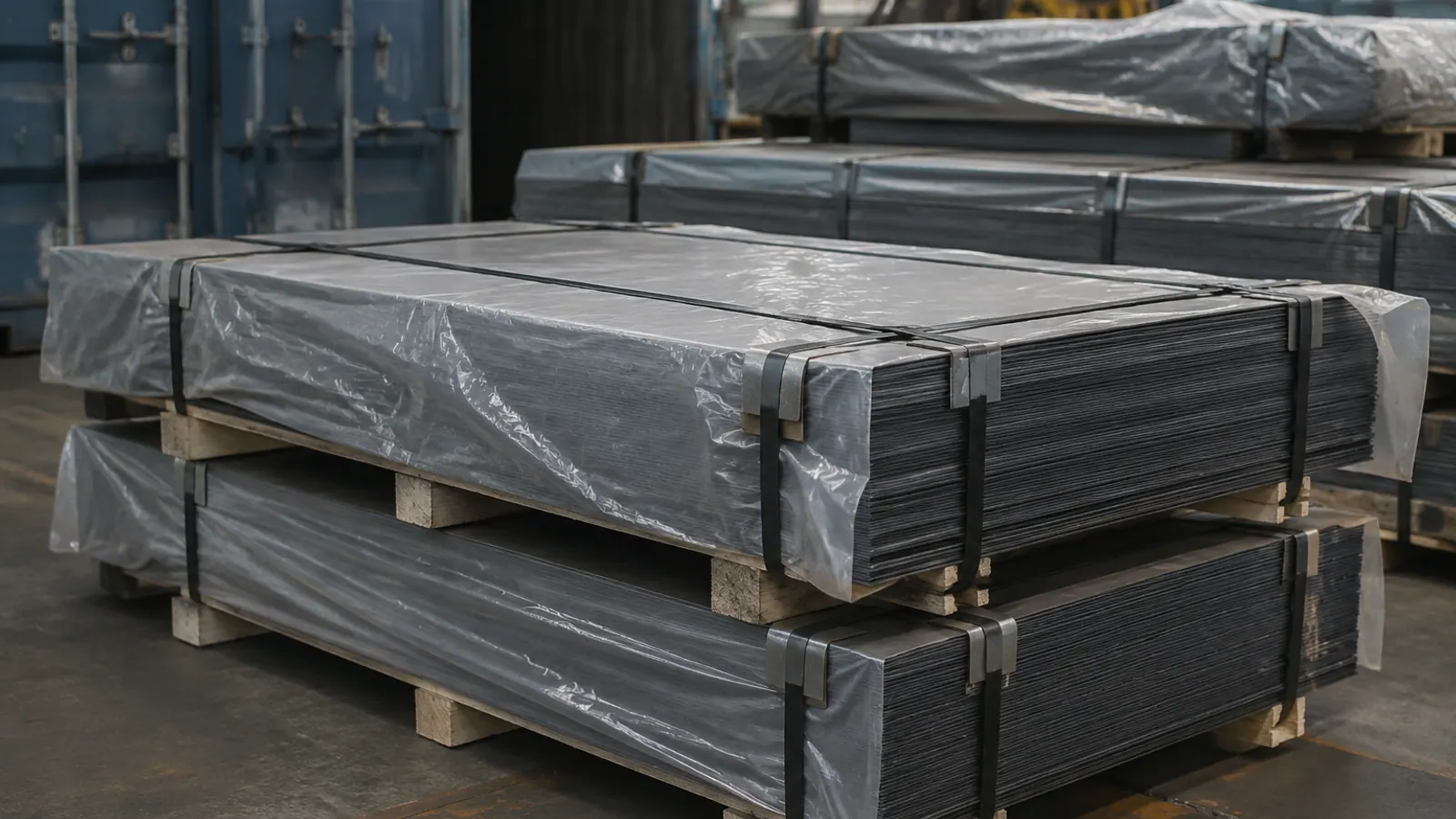
| Packing | Bundling, edge protection, seaworthy wrap, labels | Protects traceability during sea freight |
Use the broader steel RFQ checklist to add destination, Incoterms, port, quantity, and delivery fields.
Common Buyer Mistakes
- Accepting “Q235 / A36 equivalent” language without engineer approval.
- Ordering by strength class only and omitting the full grade designation.
- Forgetting product form so the mill certifies a different form than fabrication needs.
- Approving an MTC that lists a neighboring grade or incomplete dual wording.
- Skipping mark-to-certificate reconciliation until cargo arrives at the yard.
- Leaving packing and label requirements verbal so heat numbers cannot be traced after loading.
First-Hand Procurement Notes
On export structural steel orders, the expensive failure is rarely the headline yield figure. It is the missing acceptance rule. A mill can supply usable plate that still fails project QA because the certificate grade string, dual-cert claim, thickness range, or marking method does not match the purchase order.
Before confirming production, send one concise RFQ package that includes the drawing grade callout, the thickness list, the dual-cert decision, the document list, and the inspection plan. Ask the supplier to repeat those fields in the proforma invoice and packing specification. If the supplier answers with a broad “equivalent available,” request a written deviation approval path instead of silent substitution.
Conclusion
Q235 and ASTM A36 can both serve structural carbon steel needs when the project names them correctly. They are not automatic commercial equivalents. Choose the grade named by the project, write the grade and product form into the RFQ, and require certificates and measurements that can be checked before shipment.
If you are preparing a structural plate or section inquiry, share the grade callout, thickness list, product form, dual-cert needs if any, destination packing needs, and document requirements, including any MTC or EN 10204 3.1 needs. A clear RFQ is the fastest way to compare mill options without rework risk. You can also request a quote with those fields attached.