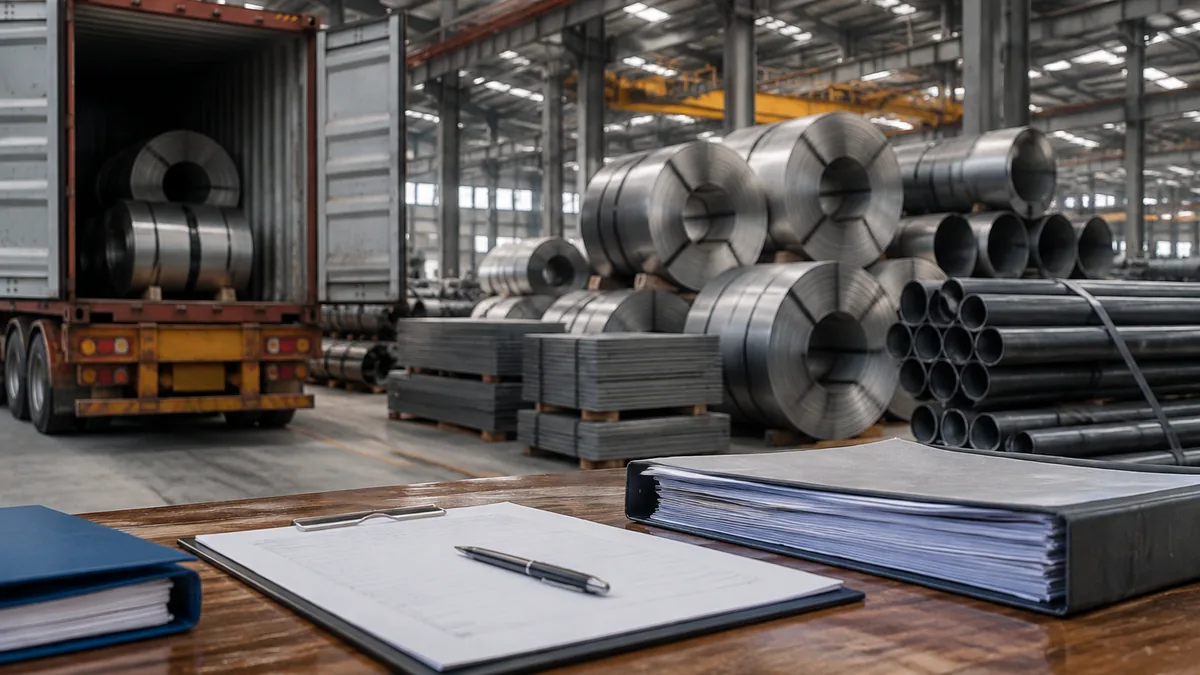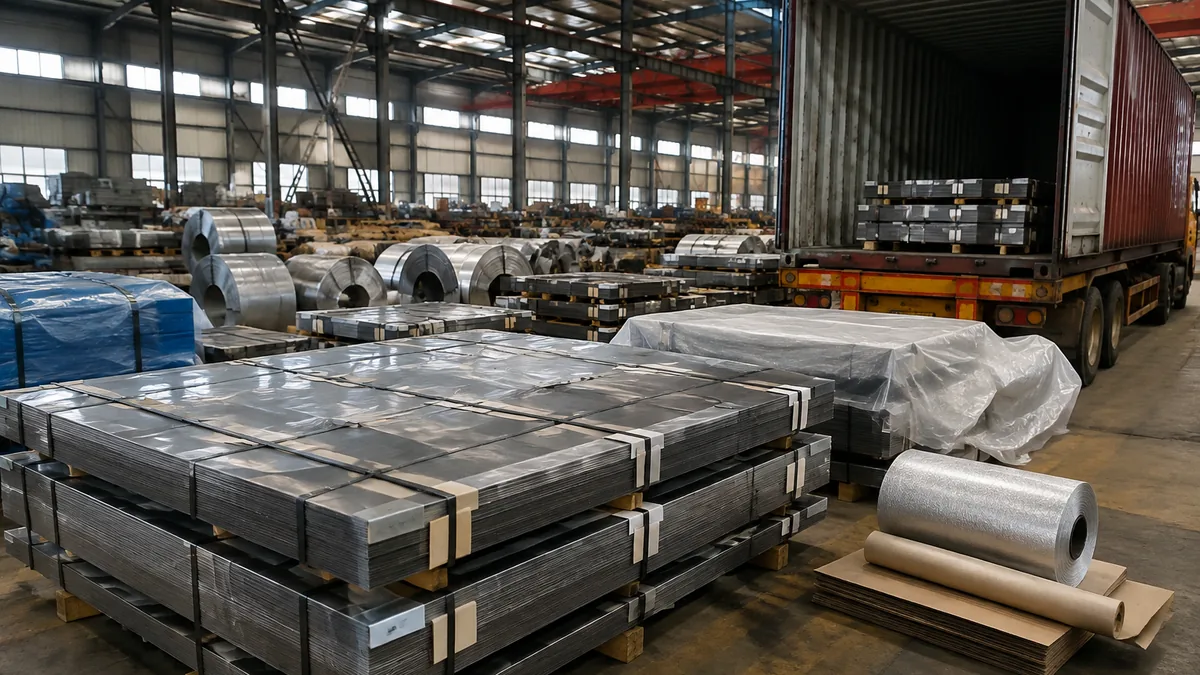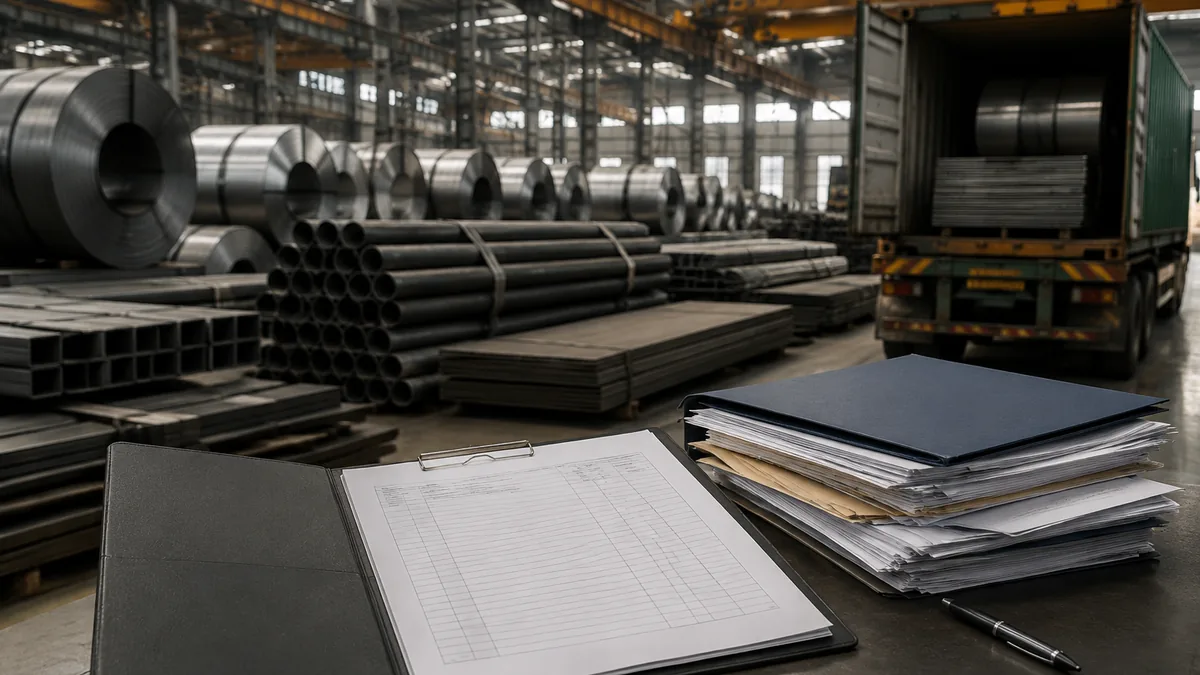








Introduction
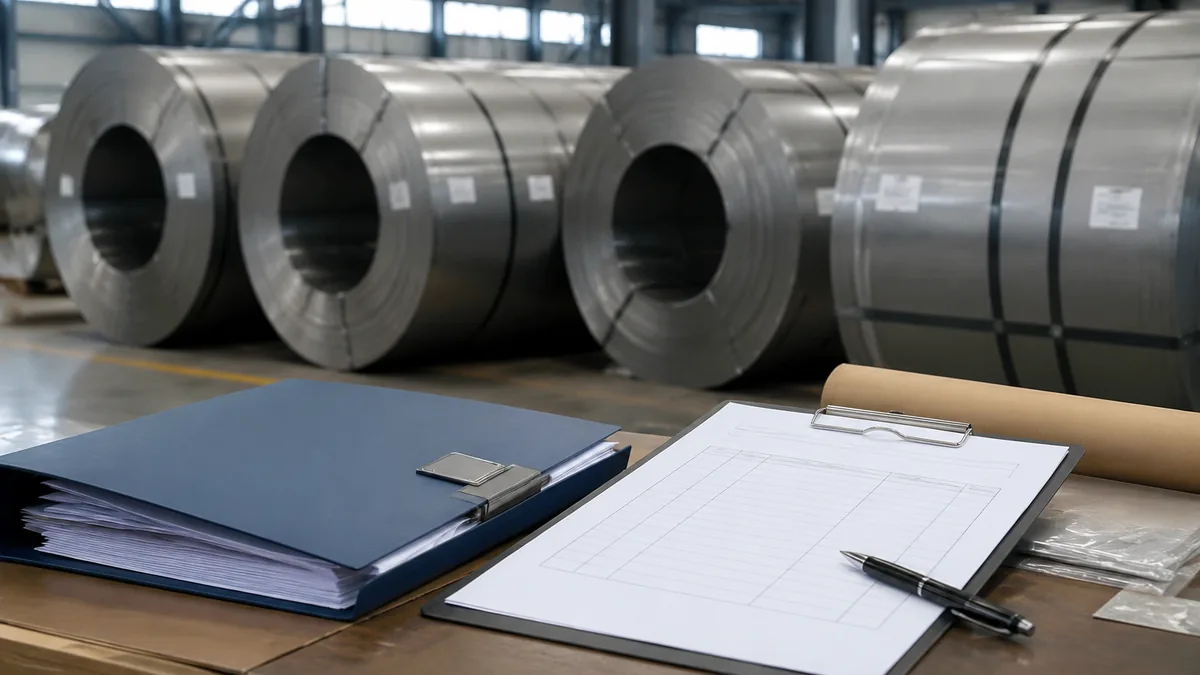
Steel buyers shipping into the European Union face a materially different import regime since 1 July 2026. The EU Steel Overcapacity Regulation, Regulation (EU) 2026/1384, replaced the long-running steel safeguard with a permanent framework: a much smaller duty-free tariff-rate quota, a 50% duty on out-of-quota volumes, and a new traceability requirement known as the melt-and-pour rule.
For importers, the immediate problem is practical, not political. Quota space is tighter, the cost of missing it has doubled, and from 1 October 2026 customs will expect evidence of where each consignment of steel was originally melted and poured. Buyers who wait for the first rejected entry to organize their documentation will pay for it in demurrage, duty exposure, and delayed projects.
This guide summarizes what changed, the dates that matter, and the documentation steps importers and their suppliers can take now. It is a general buyer briefing, not legal or customs advice; always confirm final requirements with your customs broker and official EU publications.
What Changed on 1 July 2026
| Item | Previous safeguard | Regulation (EU) 2026/1384 | Buyer impact |
|---|---|---|---|
| Legal basis | Safeguard measure, extended in stages | Permanent overcapacity regulation | Planning horizon is now long-term |
| Duty-free volume | Larger annual quotas | Tariff-rate quota of about 18.3 million tonnes, roughly 47% below recent import levels | Quota space runs out faster |
| Out-of-quota duty | 25% | 50% ad valorem, on top of any anti-dumping or countervailing duties | Out-of-quota shipments rarely make commercial sense |
| Traceability | Preferential origin rules only | Melt-and-pour country must be evidenced at import from 1 October 2026 | New document to collect from every mill |
| Quota management | Quarterly allocations | Quarterly management with country allocations and residual pools | Timing within the quarter matters |
The regulation covers the listed steel product categories from all origins, with limited exceptions for EEA countries, which remain subject to the melt-and-pour requirement even though they are outside the quota and duty.
What Melt and Pour Actually Means
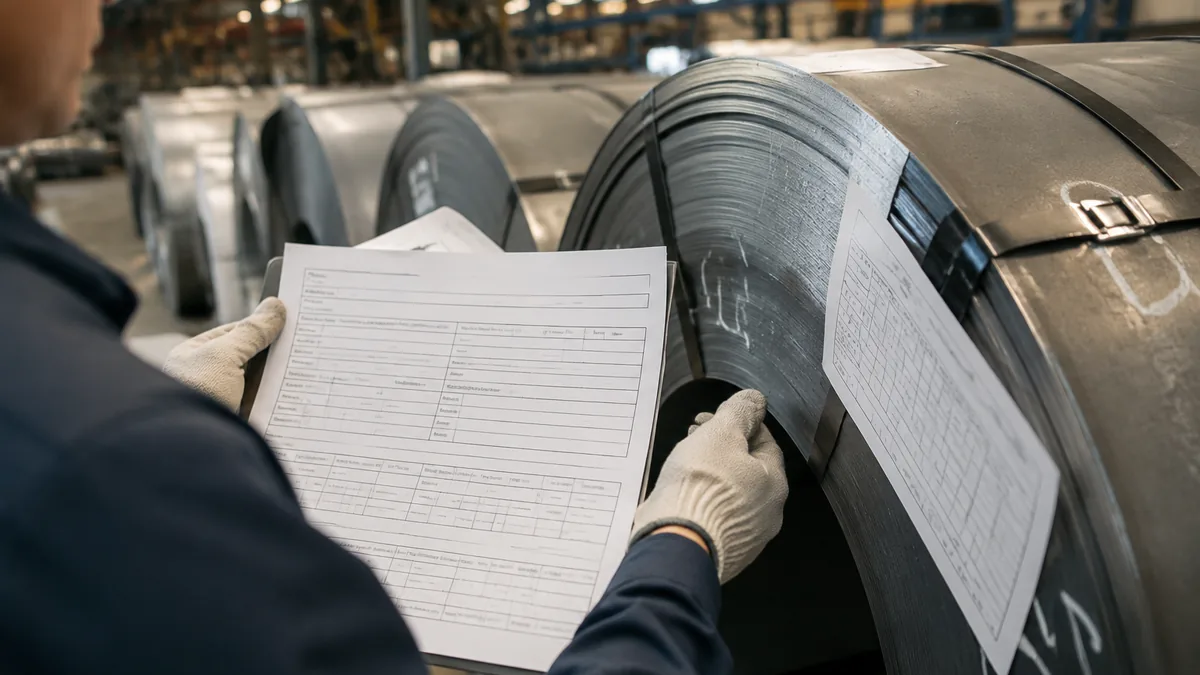
The melt-and-pour country is where the steel was first produced in liquid form in a furnace and cast into its first solid state, such as a slab, billet, or ingot. That origin does not change when the material is later re-rolled, coated, welded into pipe, or slit in another country.
The rule exists to stop circumvention through minor processing in third countries. For buyers, the consequence is simple: the country printed on a certificate of origin for customs preference purposes and the melt-and-pour country can be different, and EU customs will care about both.
Buyers sourcing from integrated mills have the easiest path, because the melting, casting, and rolling happen in one traceable chain. Orders placed through traders, or for material re-rolled from purchased slab or billet, need one extra layer of documentation discipline: the chain back to the original melt must survive every step of the transaction.
Key Dates for Import Planning
| Date | What happens | What buyers should do |
|---|---|---|
| 1 July 2026 | Regulation applies; new quotas and 50% out-of-quota duty in force | Recheck landed-cost calculations for every EU order |
| 4 June – 2 July 2026 | Commission consultation on acceptable melt-and-pour evidence | Completed; the results feed the implementing act |
| By 31 August 2026 | Implementing act on evidence expected to be adopted | Watch for the final list of accepted documents |
| 1 October 2026 | Melt-and-pour evidence required at import | Have supplier documentation aligned before vessels arrive after this date |
| From late 2027 | Melt-and-pour data expected to feed future quota decisions | Keep records consistent; history will matter |
As of late July 2026 the implementing act had not yet been published, so the exact accepted evidence list was still open. The practical preparation below does not depend on that final text: heat-level traceability is the common denominator in every scenario under discussion.
Documentation Checklist: Prepare Before October
The strongest position is to make melt-and-pour evidence a normal part of your ordering documents, the same way Mill Test Certificates already are. A workable checklist:
- Ask every supplier to state the melt-and-pour country in the offer, proforma invoice, and order confirmation, alongside grade and standard.
- Require an EN 10204 3.1 Mill Test Certificate that names the producing mill and lists heat numbers; our EN 10204 3.1 certificate checklist for steel importers covers what a complete certificate should contain.
- Match heat numbers on the MTC against product marking before shipment, following the same steps as our guide on how to verify a steel mill test certificate before shipment.
- For traded or re-rolled material, ask for the upstream mill’s certificate or a documented link from the exporter’s certificate back to the original heat.
- Add a purchase-order clause requiring the seller to provide melt-and-pour origin evidence in the form EU customs accepts once the implementing act is final.
- Brief your customs broker now and agree who files what; the importer of record carries the compliance duty at entry.
None of these steps require waiting for the implementing act, and all of them protect you in ordinary quality disputes as well.
Quota Timing and the 50% Duty
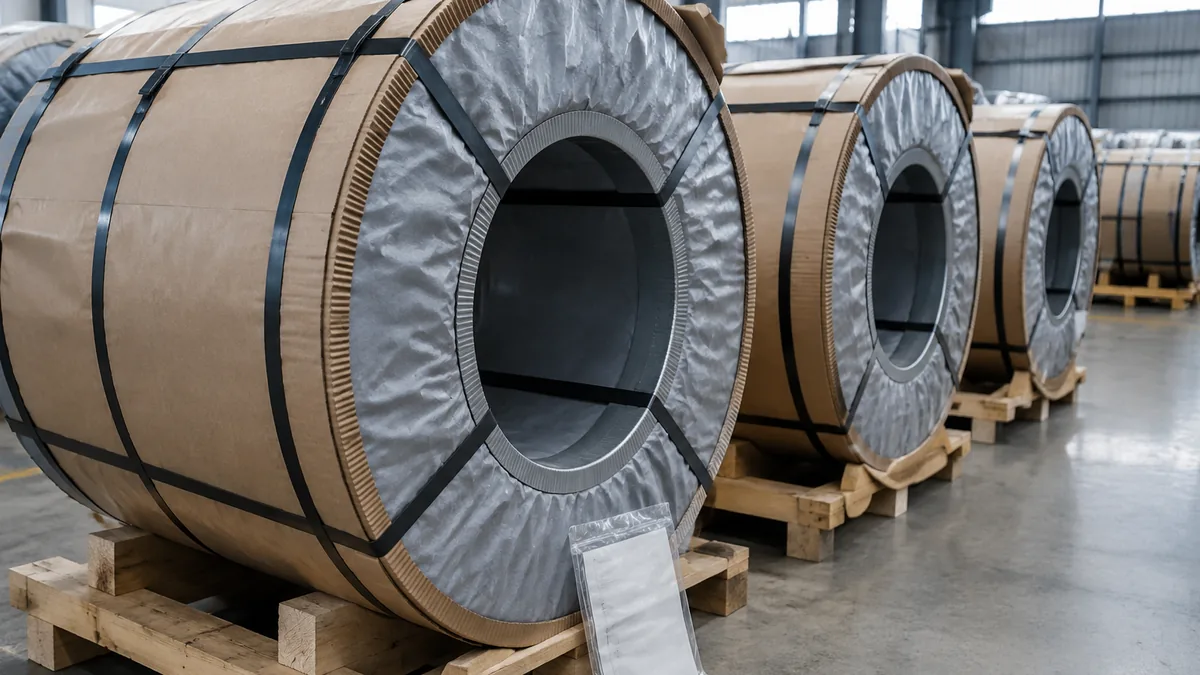
With the duty-free volume cut to about 18.3 million tonnes and managed quarterly, quota exhaustion late in a quarter is a realistic scenario for popular product categories. Practical order-timing habits help:
- Check quota utilisation for your product category before fixing shipment dates, and build a buffer for port congestion.
- Where volumes allow, split large annual requirements into shipments that land early in different quarters rather than one arrival that risks the out-of-quota rate.
- Price the risk explicitly: at 50%, an out-of-quota entry usually costs more than storage or a later sailing.
- Confirm in contracts who bears the duty if a shipment lands out of quota; silence on this point invites disputes.
How We Prepare EU Shipments
As an exporting mill partner, we already state the melt-and-pour country on offers and order confirmations for EU-bound enquiries, and every consignment ships with an EN 10204 3.1 MTC carrying heat numbers that match the physical marking. Our documentation team cross-checks certificate data, packing lists, and marking photos before the container closes, so the paper trail a buyer presents to customs is the same one we verified at the factory gate. Details of the certificates we issue are on our quality certificates page.
From experience, the single most common gap we see in buyer documentation is traded material with a certificate that names the trader instead of the producing mill. Closing that gap costs nothing at ordering time and is very expensive to fix after arrival.
Conclusion
The 2026 EU regime rewards buyers who treat documentation as part of procurement, not an afterthought. Tighter quotas and the 50% duty make timing a commercial decision; the melt-and-pour rule makes heat-level traceability a customs requirement rather than a best practice. Start collecting melt-and-pour statements and complete 3.1 certificates with your next order, and the October deadline becomes routine paperwork instead of a crisis.
If you are planning EU-bound steel purchases and want offer documents that already include melt-and-pour origin and full certificate traceability, send us your requirement and we will quote with the compliance documents listed alongside the commercial terms.