








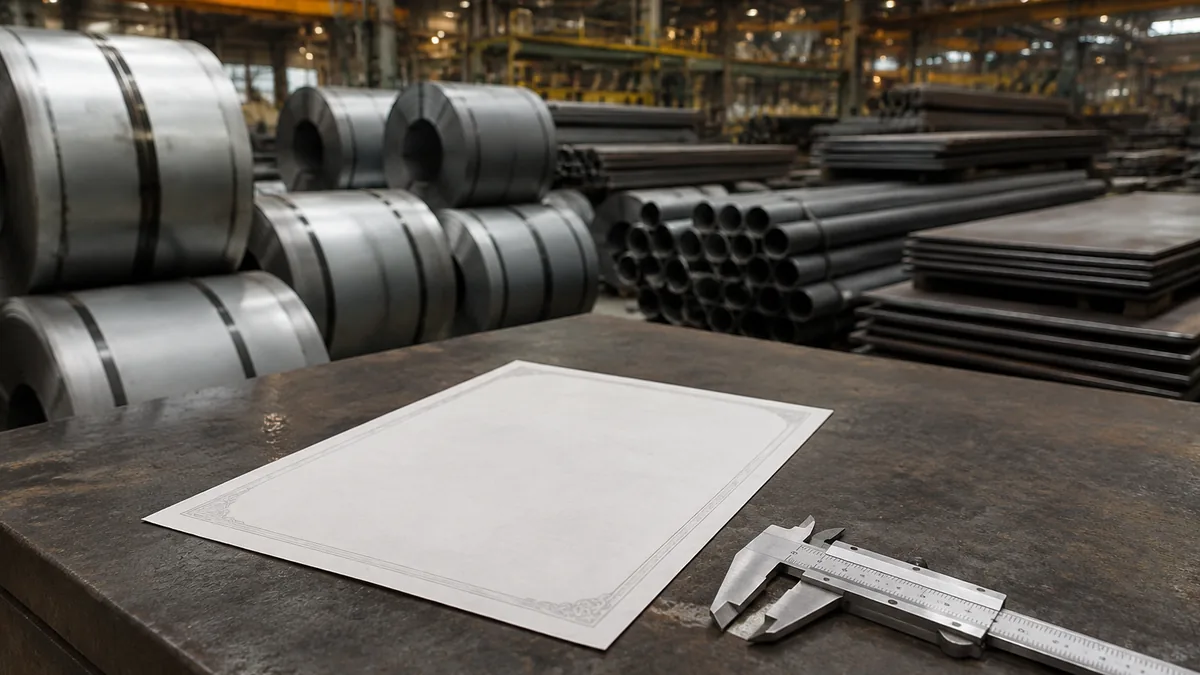
Introduction
A steel Mill Test Certificate (MTC), also called an MTR, looks official when the PDF has a logo, a stamp, and a table of chemistry. That is not enough. For importers, the real question is whether the document is traceable to the steel leaving the warehouse. Questionable certificates usually fail on heat numbers, order mapping, incomplete test data, or edits that nobody can defend at project handover.
This guide is a risk-reduction checklist for buyers who already know the basic MTC flow and want the red-flag layer: how heat numbers work, how traceability breaks, and what to do before container loading. Use it with the broader MTC verification checklist and the EN 10204 3.1 certificate checklist. It is procurement guidance, not a forensic lab method and not legal advice.

Why Questionable MTCs Reach Importers
Most export problems are not dramatic forgeries. They are broken chains:
- A trader retypes values from an old heat into a new packing list.
- A mill issues a genuine certificate, then the warehouse loads a different heat.
- A PDF is rescanned, cropped, or edited after a last-minute grade change.
- One certificate is reused across mixed grades or mixed suppliers.
Buyers who only check that “an MTC was attached” still accept those failures. The document can look complete while the physical heat and the certified heat no longer match.
Heat Number Traceability: What Must Match
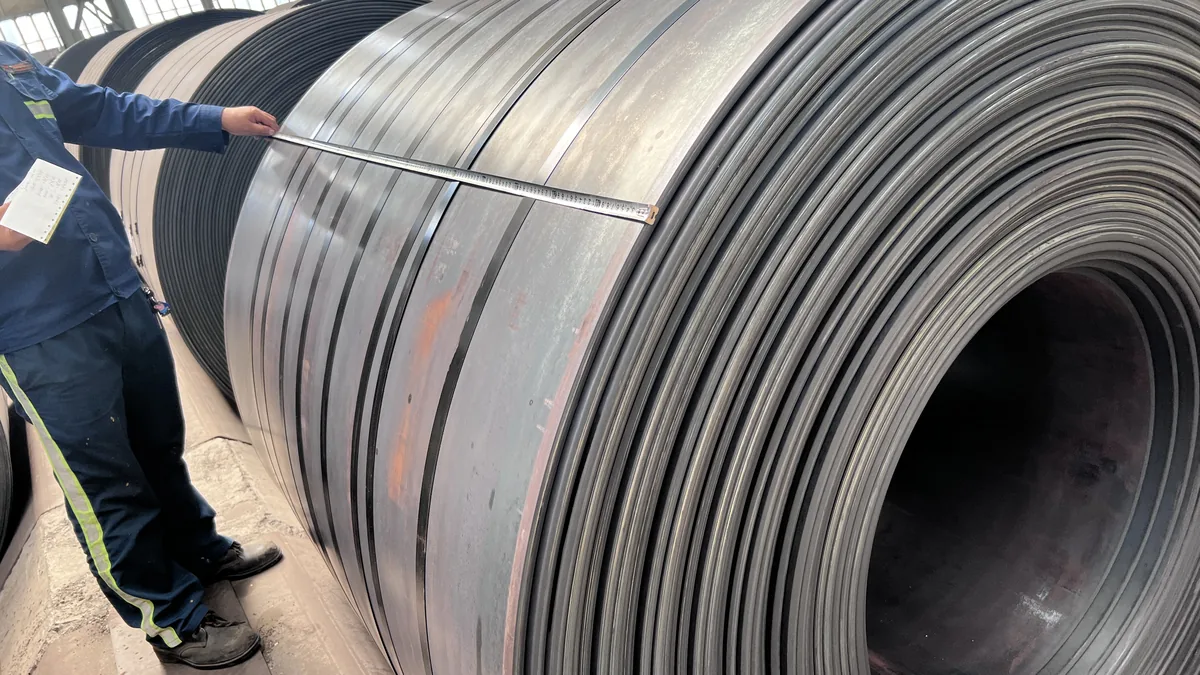
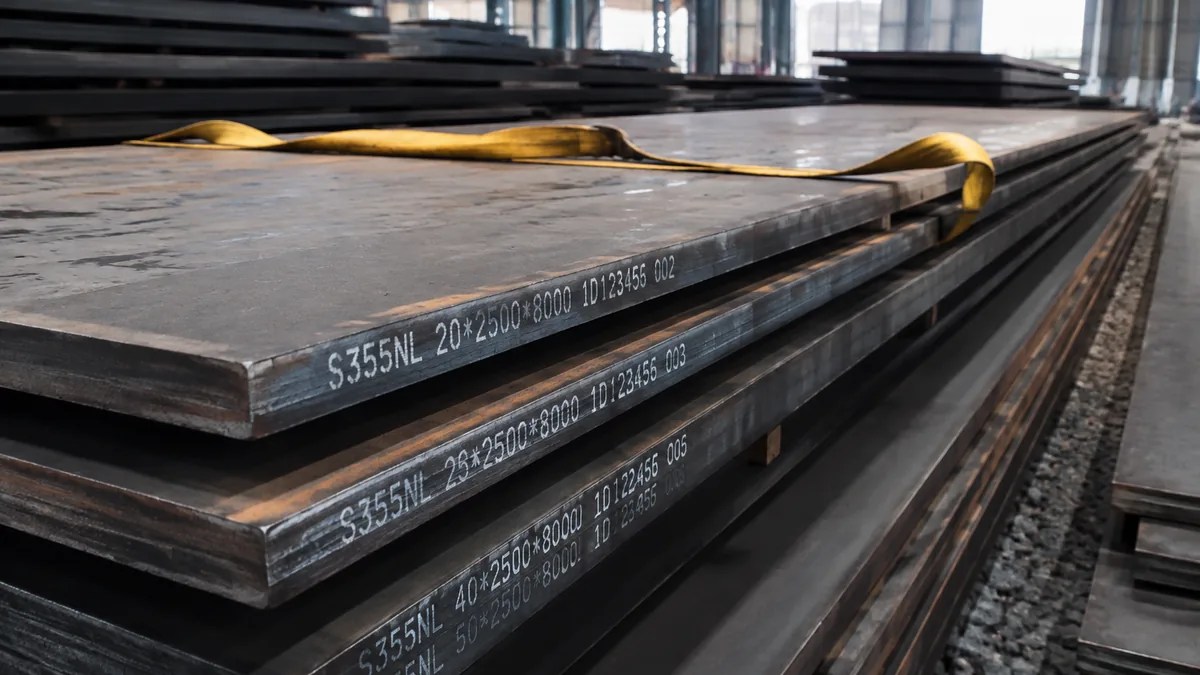
A heat number (cast number) identifies a melt batch. On a usable export package, the same heat identifier should appear on the MTC, on product marking or tags, on the packing list, and in inspection photos where marks are readable.
| Traceability link | What buyers check | Red flag if… |
|---|---|---|
| MTC heat field | Heat or cast number is clear and complete | Missing, illegible, or partially blanked |
| Product marking | Stencil, stamp, tag, or coil label on the steel | Mark missing, painted over, or different from MTC |
| Packing list | Heat mapped to coil, plate, bundle, or pipe lines | One heat claimed for mixed items without mapping |
| Order documents | Grade, standard, size, and quantity align with MTC scope | MTC grade or size family does not match PO / PI |
| Photos or PSI | Readable marks in warehouse or pre-shipment photos | Supplier refuses mark photos before loading |
Heat numbers are mill-specific formats. Do not invent a universal “looks real” pattern. What matters is consistency across the shipment set, not whether the code resembles last month’s certificate from another mill.
For pipe, plate, coil, and sections, also check whether lot, batch, or piece IDs on the certificate match how the goods are actually marked. If the MTC lists three heats and the packing list only shows one, stop and rebuild the map before release.
Red Flag Table Buyers Should Use Before Loading
| Red flag | Buyer risk | Practical response |
|---|---|---|
| Heat number on MTC does not match tags or stencils | Test data may not belong to shipped steel | Hold loading; demand remapping, reissue, or re-mark under control |
| Same heat number across unrelated grades or sizes | Possible copy-paste certificate reuse | Require separate certificates or verified multi-line heat records |
| Certificate type missing or lower than ordered (for example 2.2 when 3.1 was ordered) | Project QA may reject the lot | Require the ordered EN 10204 type before shipment |
| Chemistry table incomplete for the ordered grade | Grade compliance cannot be checked | Ask mill for full required elements or standard-basis explanation |
| Mechanical values present when not required, or missing when required | Spec mismatch or padded document | Compare to PO and product standard, not to a generic template |
| Uncontrolled handwritten changes or mixed fonts in a PDF | Document authenticity hard to defend | Request controlled reissue; reject informal overwrites |
| Mill name, address, or certificate number inconsistent across pages | Weak document control | Ask for full original PDF set from the issuing mill |
| Packing list quantity exceeds certificate scope | Part of the cargo may be undocumented | Split by heat/lot or get additional certificates |
| Supplier only provides “typical values” without heat-specific data when 3.1 was ordered | Not specific inspection evidence | Reject as substitute for EN 10204 3.1 without written project approval |
| Supplier blocks heat-mark photos or third-party document check | High substitution risk | Escalate to pre-shipment inspection scope before loading |
None of these flags alone proves criminal fraud. Each is a release decision signal. Treat multiple flags together as higher risk.
Document-Level Checks Beyond the Heat Number
After heat matching, open the certificate as a controlled document:
- Header and type. Confirm manufacturer identity, certificate date, page count, and the stated type such as EN 10204 3.1 or EN 10204 3.2.
- Order link. Purchase order / proforma references, product form, standard, grade, dimensions, and quantity should align with commercial documents.
- Test tables. Chemical and mechanical results should be actual values for the heat or defined test unit, not empty ranges copied from the standard.
- Validation. For EN 10204 3.1, validation is by the manufacturer’s authorized inspection representative independent of manufacturing. For EN 10204 3.2, expect additional independent validation as required by the order.
- File integrity. Prefer original mill PDF exports over phone photos of printouts. Watch for clipped pages, mismatched page numbering, and tables that do not reflow like native files.
EN 10204 defines inspection document types. It does not by itself authenticate every PDF that prints “3.1” in the title. Pair the type check with heat matching and order mapping.
Field Checks That Catch Paper-Only Certificates
Document review fails when nobody looks at the steel. Before loading, buyers commonly add:
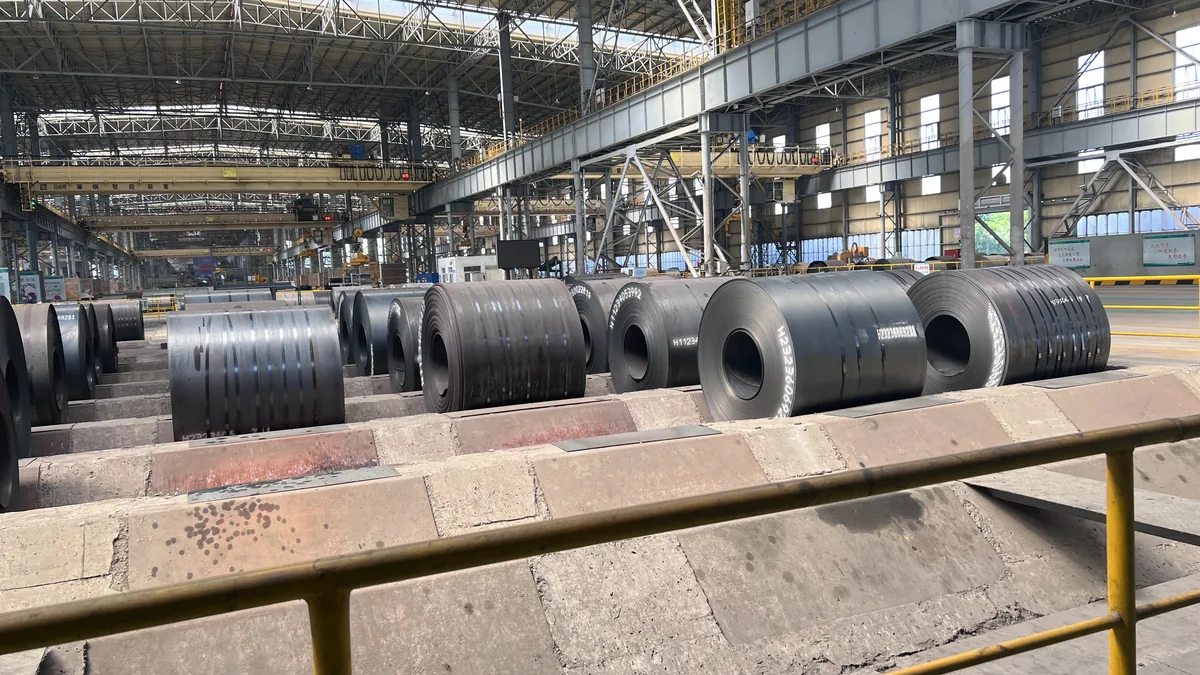
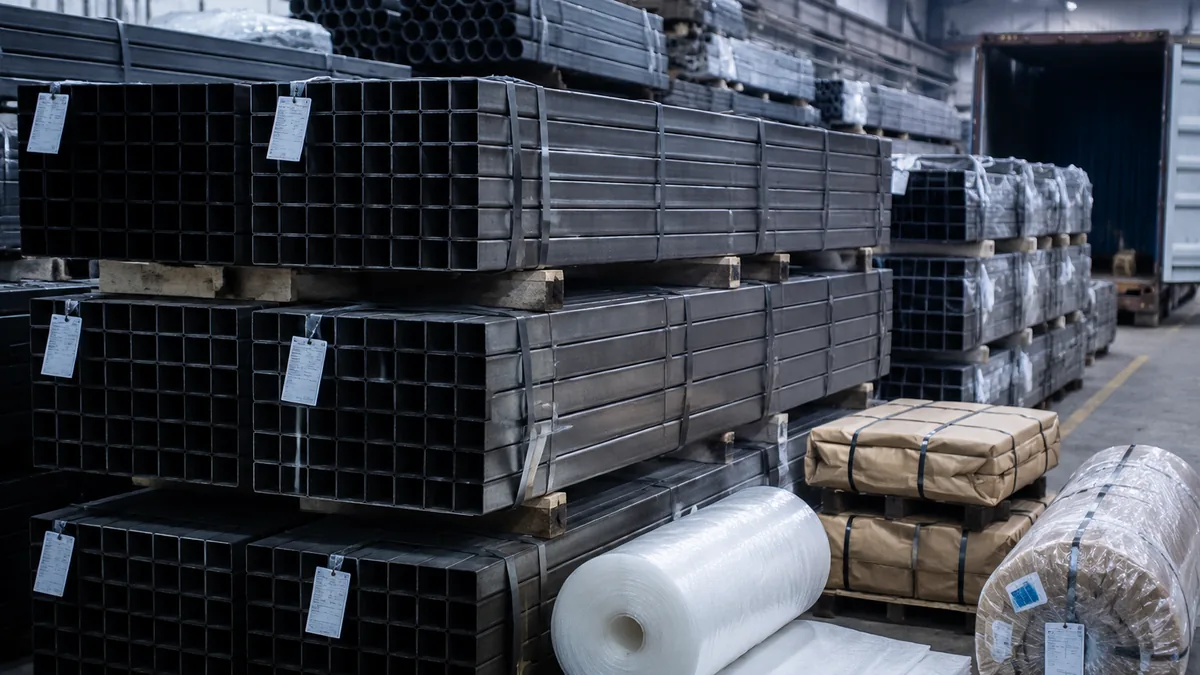
- Readable heat marks on sampled coils, plates, pipes, or bundles.
- Grade and size marking consistency with the packing list.
- Bundle / coil IDs that appear on both tags and commercial packing lists.
- Sampling notes when third-party pre-shipment inspection is ordered.
- Optional PMI / XRF when alloy substitution risk is material (for example stainless grade mix-ups). Carbon-sensitive grades may need laboratory methods beyond basic XRF.
First-hand procurement practice that prevents late fights: freeze a document release pack in the purchase order. Require draft MTC review against packing list and mark photos before final loading approval. If the supplier only delivers certificates after the vessel sails, your negotiating position is already weak.
RFQ Details That Prevent Misquoting
Write document expectations so they are comparable across suppliers:
- Certificate type: EN 10204 3.1 or EN 10204 3.2 as required by the project.
- Heat-number marking method on product and on packing list lines.
- Full heat chemistry and required mechanical tests per ordered standard.
- Original PDF MTC, packing list, and commercial invoice cross-reference.
- Right to hold shipment if heat numbers or certificate type fail.
- Optional third-party PSI scope for marks, dimensions, packing, and document consistency.
If you need a full commercial template, start from the steel RFQ template for accurate comparable quotes and add the MTC red-flag checks above. For supplier-side risk before the first order, pair this article with how to verify a Chinese steel supplier. Product-level examples such as A53 carbon steel pipe or S235JR carbon steel coil still need the same heat-traceability discipline once the grade is fixed.
Request a document and specification review
A questionable MTC is usually a traceability problem first and a chemistry problem second. Match heat numbers across certificate, marks, and packing list; confirm the ordered EN 10204 type; reject uncontrolled edits; and hold loading when the map is incomplete.
If you are preparing a steel RFQ or need a document pack reviewed against product specification before shipment, request a quote with grade, size, quantity, destination, certificate type, and any inspection scope. Clear specifications make heat-level evidence easier to compare and harder to improvise after production.