







Introduction
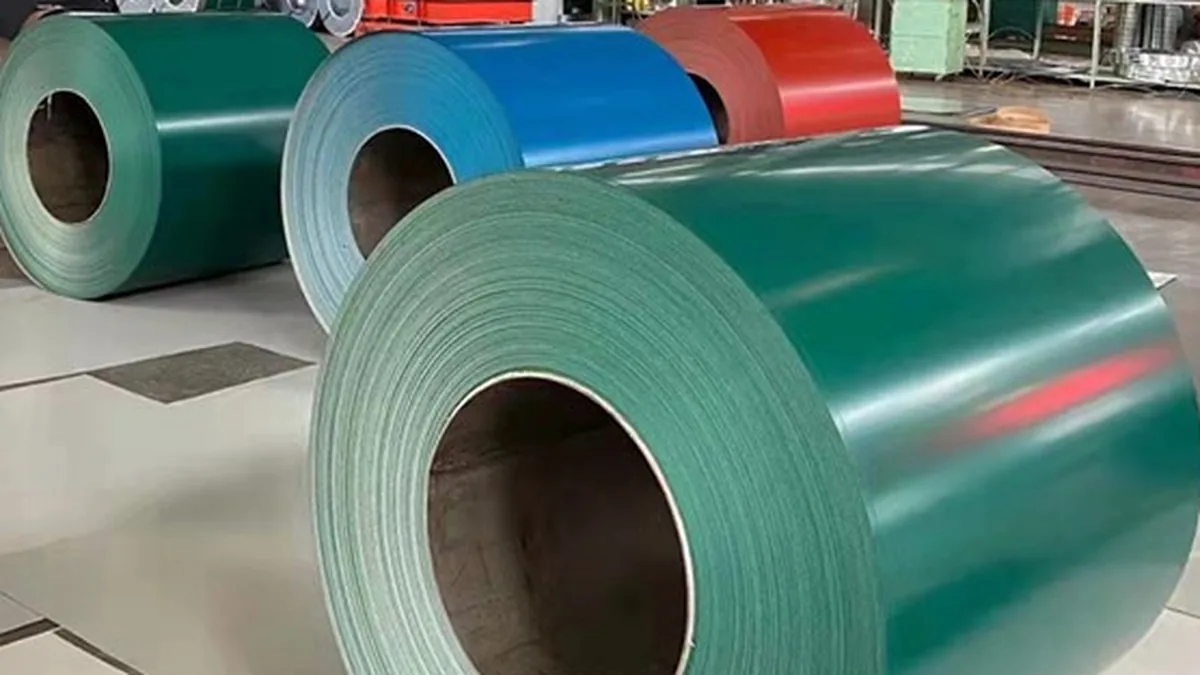
Choosing between PPGI and galvanized steel coil is not only a color decision. It changes what the buyer must specify, inspect, protect during forming, and approve before shipment. A quote that says only “color-coated coil” can hide open questions about the substrate, metallic coating, primer, topcoat, reverse side, gloss, color tolerance, and packing.
PPGI is usually selected when the factory-finished appearance is part of the final product. Bare galvanized coil is often selected when the metallic surface is acceptable or when coating will happen after cutting and forming. The right route depends on the end use and production process, not on a universal claim that one product is always better.
PPGI vs Galvanized Steel Coil at a Glance
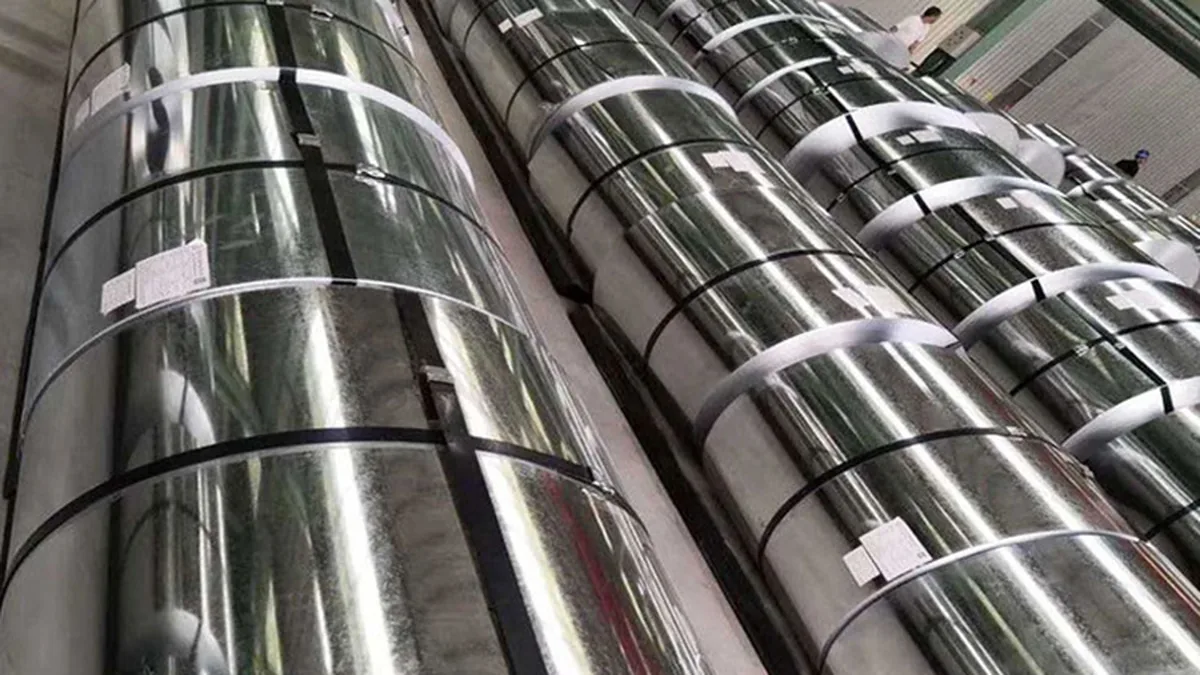
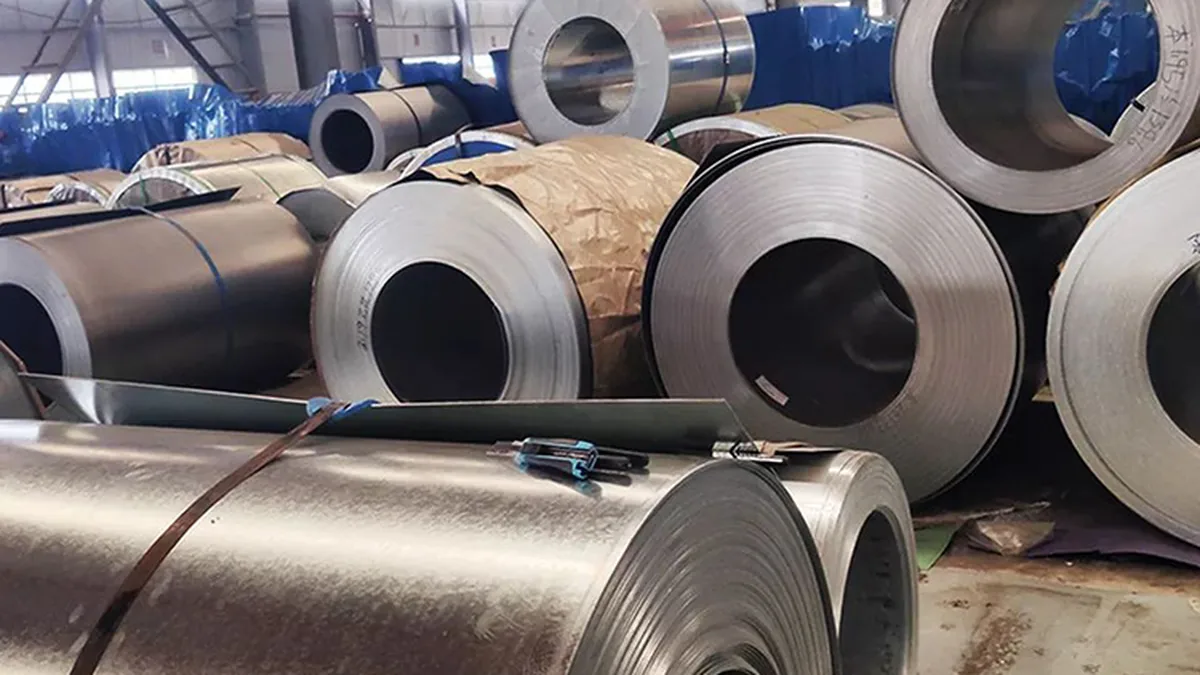
Galvanized coil uses a zinc-based metallic coating to help protect the steel. PPGI starts with a metallic-coated substrate and adds an organic coil-coating system. That system commonly includes surface pretreatment, primer, a finish coat, and a defined reverse-side coating.
| Buyer decision | Galvanized steel coil | PPGI | What to write in the RFQ |
|---|---|---|---|
| Final appearance | Metallic surface | Factory-applied color and finish | End use, visible side, approved color reference, gloss or texture |
| Downstream coating | Can be painted after forming when the process is designed for it | Usually supplied as the finished decorative surface | Whether cutting, roll forming, bonding, painting, or printing follows |
| Main specification focus | Base grade, metallic coating, thickness, surface treatment | All galvanized-coil items plus primer, topcoat, reverse side, color, and finish | Name every layer or performance requirement that affects acceptance |
| Handling risk | Staining, moisture exposure, edge and coil damage | The same risks plus scratches, pressure marks, color variation, and protective-film issues | Inspection method, packing, coil orientation, and photo evidence |
| Best fit | Projects accepting a metallic finish or applying a later coating | Products needing a controlled factory color and finish | Select from the manufacturing route, not price alone |
Buyers comparing a common galvanized substrate can review the DX51D galvanized coil product route. A related prepainted option is shown on the PPGL DX52D product route, but the metallic substrate must still be confirmed because PPGI and PPGL are not interchangeable names.
The Substrate Still Matters Under the Paint
Paint does not remove the need to specify the steel underneath it. The substrate affects forming behavior, dimensional control, and the metallic corrosion-protection layer. Buyers should confirm the applicable product standard, ordered grade, base-metal thickness, width, metallic coating designation, surface treatment, and tolerance basis before discussing color.
For exterior building products, ASTM A755/A755M covers steel sheet that is metallic coated by the hot-dip process and prepainted by coil coating. EN 10169 addresses continuously organic-coated steel flat products. These references do not make every supplier coating system identical. The purchase order still needs the exact substrate, coating system, performance requirements, and agreed test or inspection method.
If metallic coating designations are unfamiliar, the galvanized coil coating-weight guide explains why the buyer should state the designation rather than accept a vague phrase such as “standard zinc coating.”
Specify a Coating System, Not Just a RAL Color
A color reference helps identify the target shade, but it is not a complete PPGI specification. The finish also depends on the pretreatment, primer, topcoat chemistry, film build, gloss, texture, cure, reverse-side coating, and production tolerance. The suitable system changes with the environment, forming process, expected appearance, cleaning method, and service conditions.
Ask the supplier to declare:
- the metallic-coated substrate and ordered standard;
- the primer and topcoat system;
- the reverse-side coating and whether it must support adhesive bonding or remain visible;
- the agreed color reference, gloss, texture, and approval sample;
- whether a removable protective film is required and when it should be removed;
- which inspection or test evidence will be supplied.
Do not rely on a screen image as final color approval. Screens, lighting, gloss, texture, and production batches can change how the same nominal color appears. For appearance-critical orders, approve a physical sample or agreed reference panel and define how variation will be judged.
Common Buyer Mistakes To Avoid
The following problems are usually created before production, when important requirements are left out of the inquiry:
- Ordering “PPGI” without naming the metallic substrate. The buyer may assume galvanized steel while the quotation follows a different coated substrate route.
- Comparing offers by total thickness without defining whether the figure means base-metal thickness or finished coated thickness.
- Approving only a color code and leaving gloss, texture, coating system, and acceptance sample open.
- Ignoring the reverse side. A back coat that is acceptable for a dry interior panel may not suit bonding, condensation exposure, or a visible application.
- Choosing a paint family by reputation without confirming forming severity, environment, cleaning chemicals, and the supplier’s tested system.
- Treating protective film as permanent protection. Film selection, storage, heat exposure, forming, and removal timing can all affect the surface.
- Accepting generic seaworthy packing without defining edge protection, moisture barrier, coil orientation, labels, and loading photos.
These are procurement-control points, not universal defects in either product. Clear written acceptance criteria give the mill, coater, inspector, and fabricator the same target.
What To Confirm Before Shipment
Inspection should connect the purchase order to the physical coils and the supporting documents. Buyers commonly review coil labels, quantity, dimensions, surface condition, color and gloss against the approved reference, edge condition, protective film, packing, and visible transit risks.
Where the contract requires traceability, ask the supplier to connect coil or package identifiers to the MTC and the agreed EN 10204 3.1 documentation. A 3.1 certificate does not replace coating inspection, color approval, or packing evidence; each document answers a different acceptance question.
For the packing stage, use the steel export packing guide to define moisture protection, edge guards, strapping, labels, and container-loading records. Prepainted surfaces need protection from abrasion and pressure damage as well as water exposure.
RFQ Details That Prevent Misquoting
A useful RFQ should let the supplier identify the manufacturing route without guessing. Include:
- end use and forming process;
- applicable standard and substrate grade;
- metallic coating designation and surface treatment;
- base-metal thickness, width, coil size, quantity, and tolerance basis;
- primer, topcoat, reverse-side system, color reference, gloss, and texture;
- approved sample or reference-panel process;
- protective film and removal expectations, if required;
- inspection plan, test reports, MTC, and traceability requirements;
- packing, coil orientation, labels, destination port, and unloading limits.
Align the order with the site’s quality standards overview, especially when a customer drawing or project specification names its own acceptance method. If two offers use different substrates or coating systems, they are not directly comparable even when the color and dimensions look similar.
Conclusion
Choose galvanized steel coil when the metallic finish or a later coating process fits the product route. Choose PPGI when a controlled factory-applied color and finish are part of the required component. In both cases, the safest purchase decision comes from defining the full material system, forming process, inspection evidence, traceability, and packing before comparing prices.
To compare a real PPGI or galvanized coil requirement, send the end use, standard, substrate, metallic coating, dimensions, paint and finish requirements, quantity, inspection documents, packing, and destination through request a quote. The quotation can then be reviewed against one shared technical specification instead of assumptions.