




Introduction
An RFQ that only says “welded steel pipe” can attract three different products. Electric resistance welded (ERW) pipe from coil, longitudinal submerged-arc welded (LSAW) pipe from plate, and spiral submerged-arc welded (SSAW) pipe from coil do not share the same forming route, weld length, wall-thickness window, or inspection trail. Price comparison then fails, and the cheaper offer is often a different process than the project drawing assumed.
This guide is for importers and project buyers who already accepted welded pipe and now need to freeze the process. If you are still choosing welded versus seamless, start with the seamless vs welded steel pipe inspection checklist. For line-pipe grades, freeze API 5L PSL1 or PSL2 with the PSL importer guide after the process is named. This article is procurement guidance. It does not replace the project specification or the edition of API 5L, ASTM A53, or EN 10219 written on the purchase order.
What ERW, LSAW, And SSAW Mean On An Offer
Commercial names and standard process designators overlap. Ask the mill to print both.
| Market name | Typical feedstock | Forming and weld | Common API 5L designator | Buyer cue |
|---|---|---|---|---|
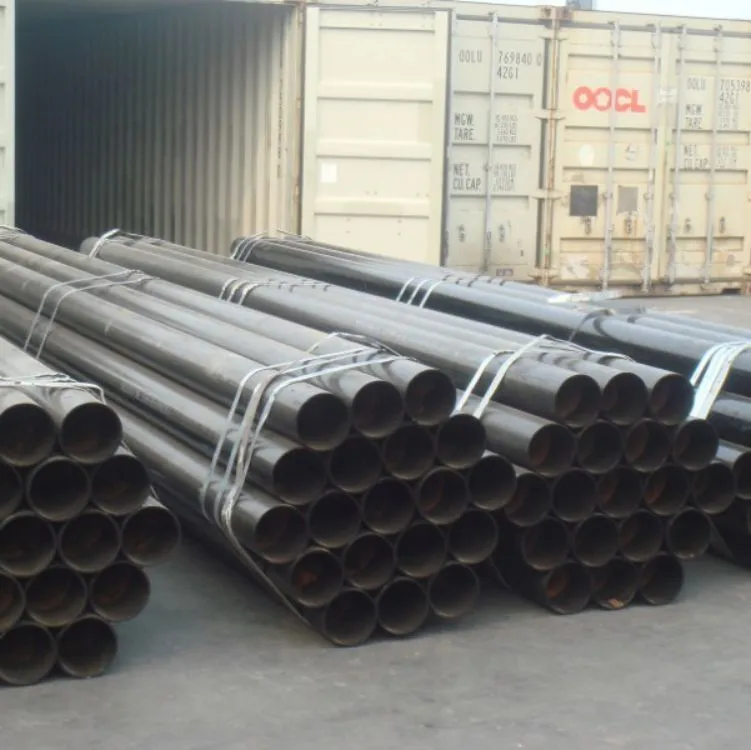
| ERW | Hot-rolled coil / strip | Continuous roll forming, high-frequency longitudinal weld, usually no filler metal | HFW | Small-to-mid OD, tight dimensional control, structural and general line service |
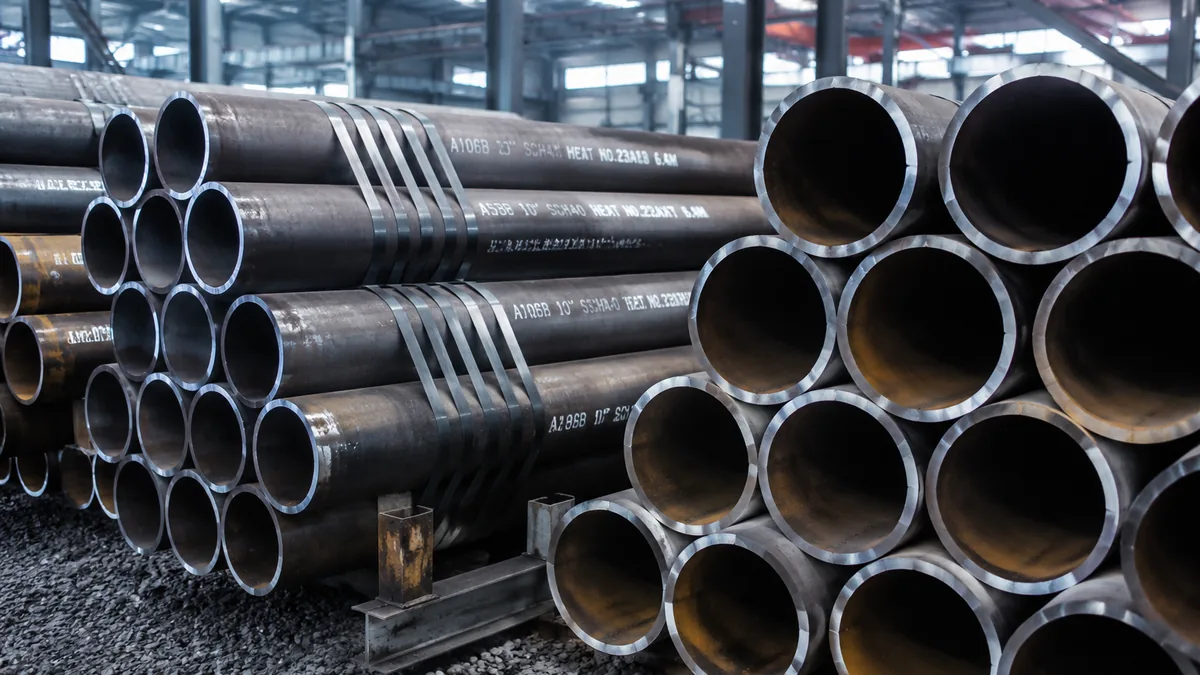
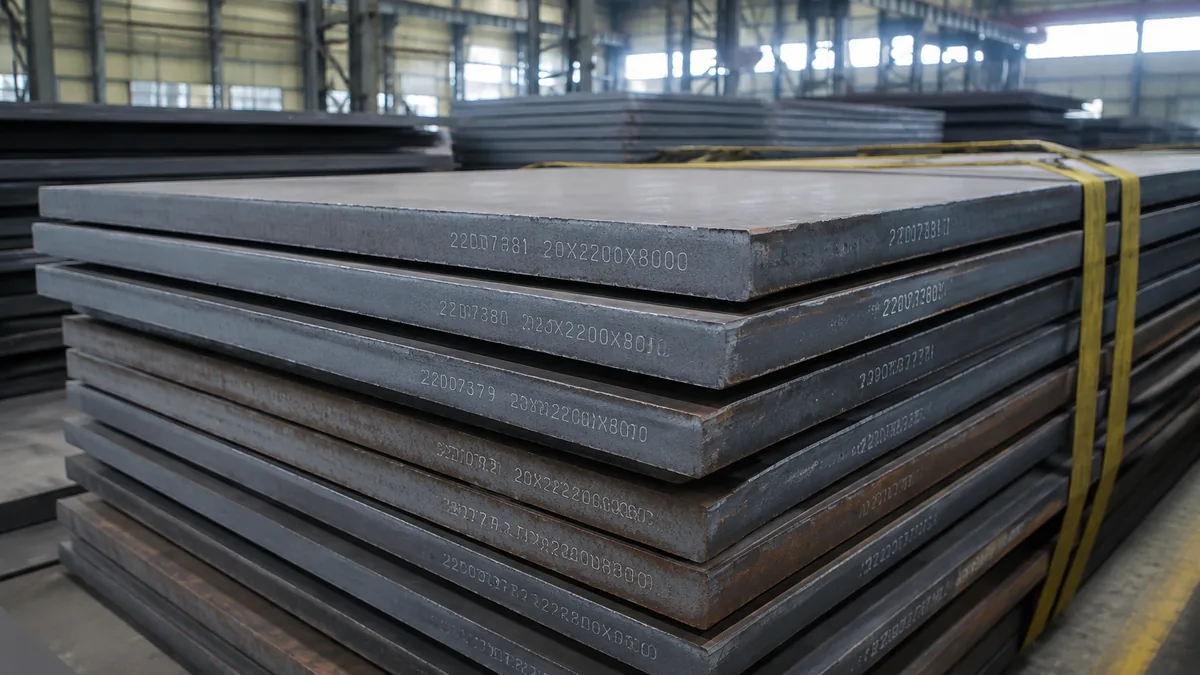
| LSAW | Discrete plate | JCOE, UOE, or roll-bend into a cylinder, then longitudinal submerged-arc weld, often inside and outside | SAWL | Larger OD, thicker wall, high-pressure line and heavy structural cylinders |
| SSAW | Coil formed at a helix angle | Helical / spiral submerged-arc weld | SAWH | Large OD from a given coil width; water, piling, and some line-pipe packages when the spec allows helical weld |
API 5L names the welded product forms as HFW, SAWL, and SAWH. A trader quote that only says ERW, LSAW, or SSAW is incomplete until that designator, the standard edition, and the test package appear on the proforma.
Modern ERW used for fluid or line service is usually high-frequency welding (HFW or HFI). Older low-frequency ERW still exists in some mills and is a different risk profile. If the project wants HFW, write HFW, not only “ERW”.
LSAW is plate-based. The longitudinal weld is shorter than a spiral seam of the same length. Many mills weld both the inside and the outside (commercial DSAW language). Forming method (JCOE versus UOE) affects ovality and field fit-up. Ask for the forming method when the construction contractor cares about end matching.
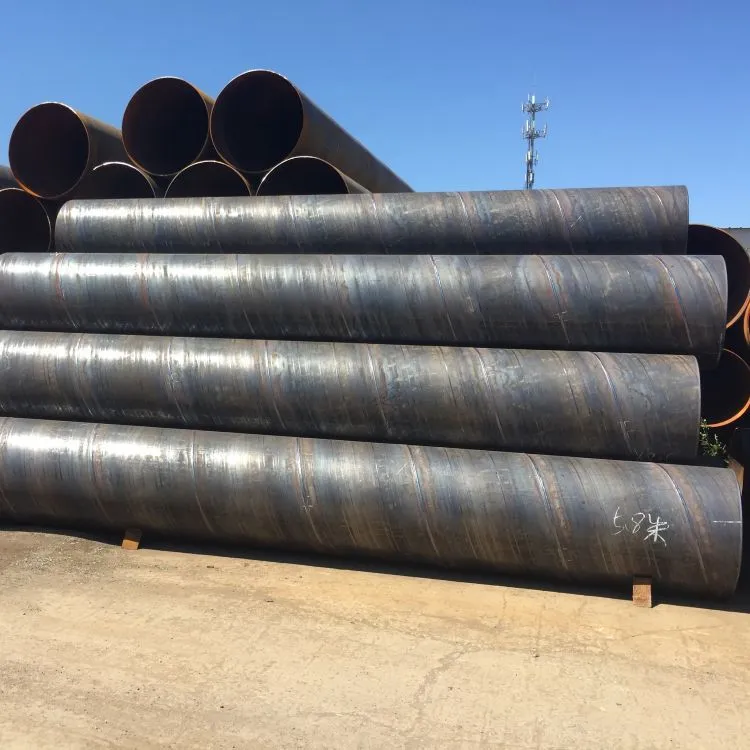
SSAW, also sold as HSAW or spiral pipe, uses coil and a helix angle. One coil width can make several outside diameters. The weld is longer, residual stress is often higher, and some hydrocarbon client specifications restrict or exclude helical pipe. Water transmission, piling, dredging, and large structural cylinders commonly accept it. Do not treat a restriction in one client spec as a worldwide ban.
Process Comparison For Importers
Use this table before ranking unit prices.
| Buyer checkpoint | ERW / HFW | LSAW / SAWL | SSAW / SAWH | What to write in the RFQ |
|---|---|---|---|---|
| Size window | Common for small-to-mid OD; wall usually thinner than plate SAW | Common for larger OD and heavier wall from plate | Common for large and very large OD from coil | OD, wall or schedule, length, and the process that can actually make that size |
| Typical service | Structural frames, scaffolding-related members, water and general fluids, gathering or line pipe when the spec accepts HFW | Oil and gas transmission, offshore or onshore line pipe, thick-wall cylinders | Water mains, piling, dredging, large structural pipe, line pipe only if SAWH is accepted | End use and the process list the client allows |
| Weld character | Short longitudinal fusion weld, no filler in standard HFW | Short longitudinal SAW, filler metal, often two-sided | Long helical SAW, filler metal | Process name plus HFW / SAWL / SAWH |
| Geometry | Good OD and wall consistency from coil rolling | Ovality and straightness usually easier to hold than spiral | Helix can complicate ovality, end matching, and coating cutbacks | Ovality, straightness, bevel, and field-weld fit-up limits |
| Inspection focus | Seam UT or eddy current, weld heat treatment when required, hydrotest | Weld UT and/or RT, hydrotest, plate identity | Longer weld UT/RT coverage, hydrotest, coil identity | Named NDT method, coverage, and hydrostatic requirement |
| Document risk | ERW quoted as API 5L without HFW and PSL | LSAW specified, SSAW delivered | ”Welded pipe” used to hide a spiral substitution | Process on PO, MTC, stencil, and packing list |
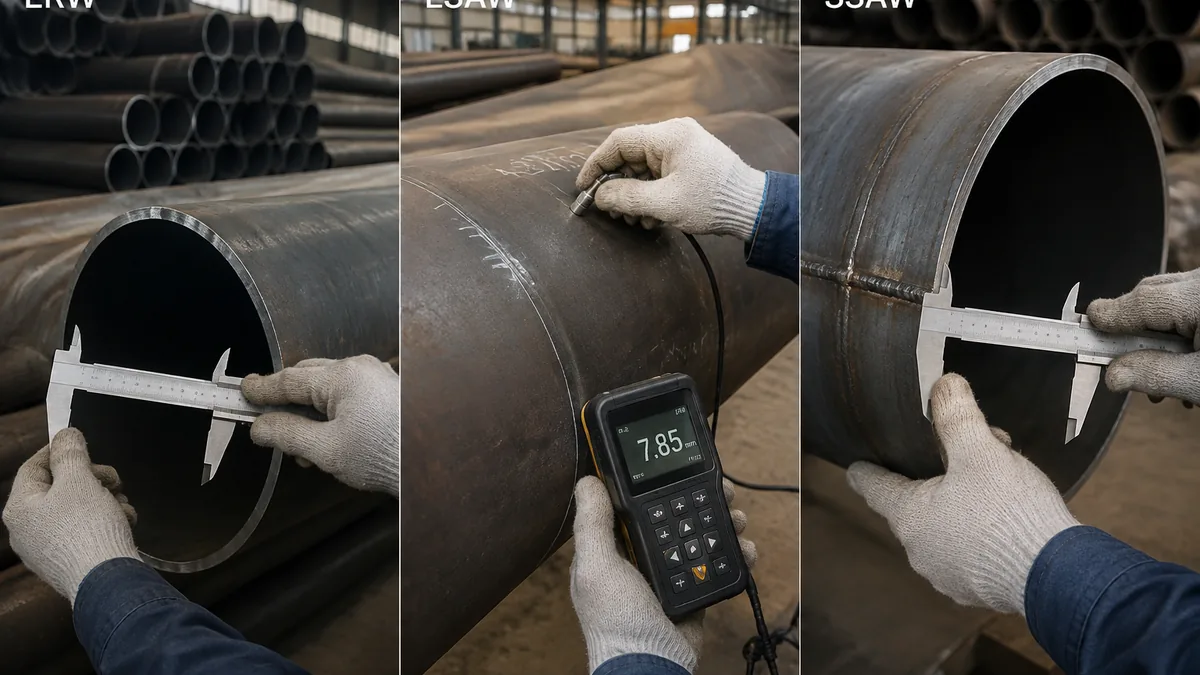
Site product pages for ERW steel pipe, LSAW steel pipe, and welded API 5L line pipe help frame an enquiry. They do not choose the process for you. The purchase order still has to name the route.
When Each Route Is The Practical Buy
Choose ERW / HFW when the size sits in the small-to-mid OD band, the project accepts electric-resistance or high-frequency welded pipe, and you need consistent dimensions for cutting, galvanizing, or high-volume fabrication. ASTM A53 Type E is the usual ERW callout for general purpose pipe. API 5L HFW is the line-pipe callout when that standard governs. EN 10219 is a common structural hollow-section route and is not a silent substitute for a pressure-pipe standard.
Choose LSAW / SAWL when the project needs larger OD or heavier wall from plate, or when the client specification names longitudinal SAW for oil, gas, or other high-consequence service. If PSL2, sour service, or extra toughness applies, freeze those items with the process. A mill cannot turn a finished PSL1 ERW coil pipe into a PSL2 LSAW plate pipe after the fact.
Choose SSAW / SAWH when large OD from coil is the efficient route and the specification allows a helical weld. It is often the practical buy for water, piling, and structural cylinders. If a pipeline specification is silent, do not assume spiral is accepted. Ask the client or design contractor in writing.
The usual commercial failure is a mixed bid set: one mill quotes HFW, another quotes SAWL, a trader quotes SSAW, and purchasing ranks the numbers. Force one process column before the price column.
Inspection And MTC Checks That Differ By Process
All three routes should ship with an EN 10204 3.1 MTC, heat or plate/coil identity that matches pipe marks, dimensional results, and the hydrostatic or permitted alternative test required by the ordered standard. The extra checks change with the weld.
| Check | ERW / HFW | LSAW | SSAW |
|---|---|---|---|
| Feedstock identity | Coil / heat on MTC and bundle tags | Plate heat and plate number when the mill tracks them | Coil heat; helix does not remove coil identity |
| Weld record | HFW / ERW process, seam normalizing or heat treatment if required | SAW procedure, inside and outside weld if used, forming method | SAW procedure, helix direction, weld-length coverage |
| NDT | Seam UT or eddy current per standard / PO | Weld UT and/or RT on the longitudinal seam | UT and/or RT along the helical seam |
| Visual | Flash trim, seam undercut, local burn | Bead profile, misalignment, repair maps | Long-seam appearance, start/stop, repair maps |
| Ends | Plain or beveled; end squareness for fit-up | Bevel angle and root face for field girth welds | Same, plus extra care on ovality at the ends |
Before loading, match the process word on the MTC to the stencil and to the purchase order. If the PO says LSAW and the certificate says spiral or SAWH, stop the shipment. Heat numbers that do not appear on pipe marks are the same class of problem as a process mismatch.
RFQ Wording That Stops Process Substitution
Copy this block into the next welded-pipe enquiry:
- Product form: ERW/HFW or LSAW/SAWL or SSAW/SAWH (pick one; no silent alternate)
- Standard and edition: API 5L / ASTM A53 / EN 10219 / project standard
- Grade and, if API 5L, PSL1 or PSL2
- OD x wall or schedule x length x ends (PE/BE)
- Quantity and delivery window
- Tests: hydrostatic; weld NDT method and coverage; CVN or hardness only if the project requires them
- Documents: EN 10204 3.1 MTC, heat-to-pipe map, NDT summary, marking photos
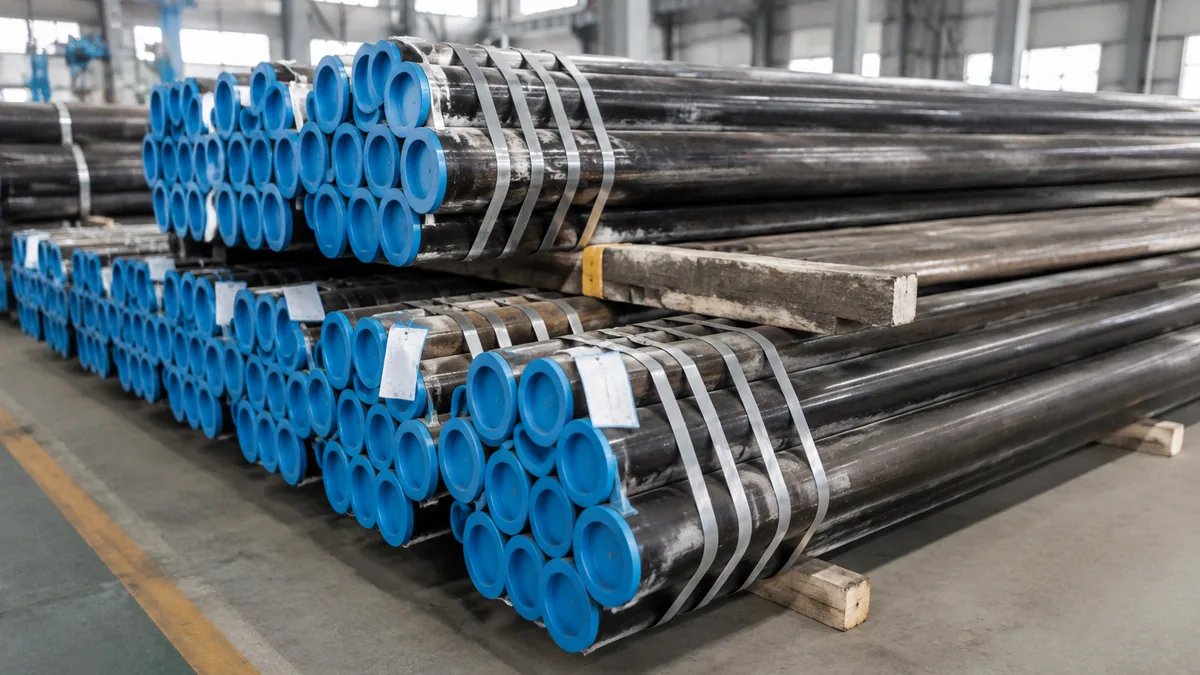
- Packing: seaworthy bundles or racks, end protectors, rust prevention, destination marks
- Inspection: mill + optional third-party hold points before loading
If two processes are truly acceptable, list them as approved alternates with separate prices. Do not write “welded pipe equivalent” and hope the mill guesses.
Conclusion
ERW, LSAW, and SSAW are procurement choices, not three labels for the same mill item. ERW/HFW fits small-to-mid OD structural and general line packages. LSAW/SAWL fits plate-formed large-OD and many high-pressure line jobs. SSAW/SAWH fits large-OD coil production when the specification accepts a helical weld. The costly error is leaving the process blank and discovering a spiral seam, a missing HFW designator, or an incomplete NDT pack after the cargo is at sea.
We quote welded pipe with the process written on the offer, and we align EN 10204 3.1 heat data, weld NDT scope, and packing marks before shipment. If you want comparable quotations, request a quote with process, standard, grade, size, tests, and destination port in the same message.